Franna’s house

Last Saturday morning my son texted:

Micah put her shoes and jacket on and now she’s standing here saying “I want to go to Franna’s house.”

My response?

“BRING HER!”

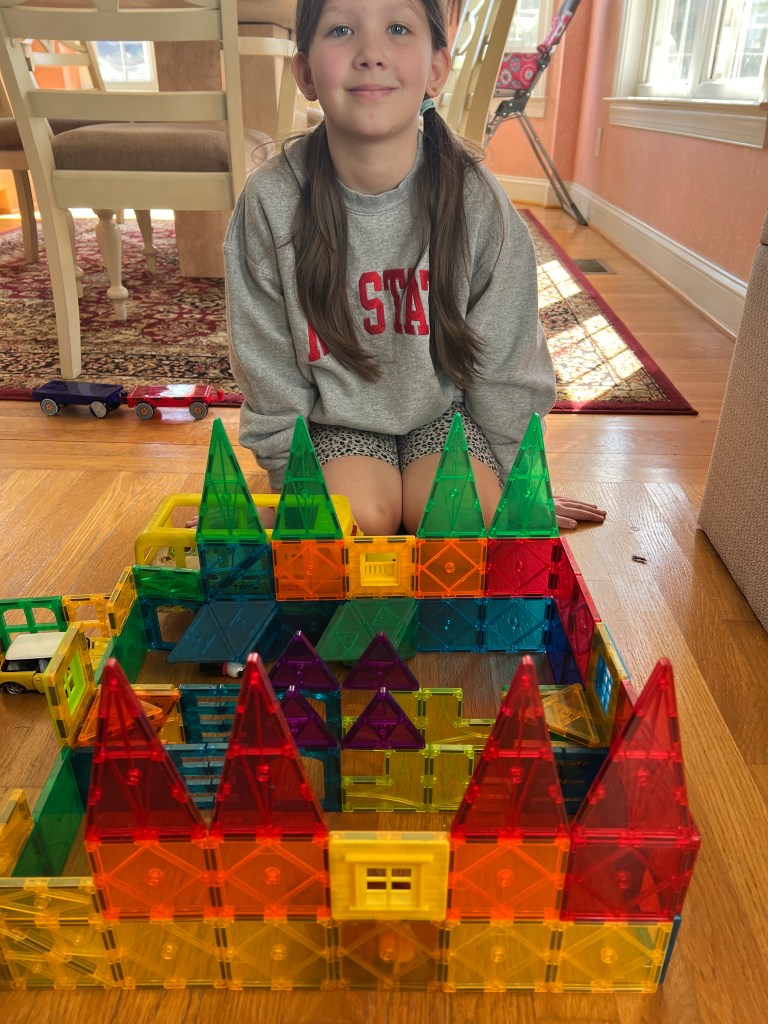
And so Micah and her big sister Scout came over for yet more adventures.

I feel a celebratory pantoum coming on…

At Franna’s house
We play all day
Singing a hundred songs
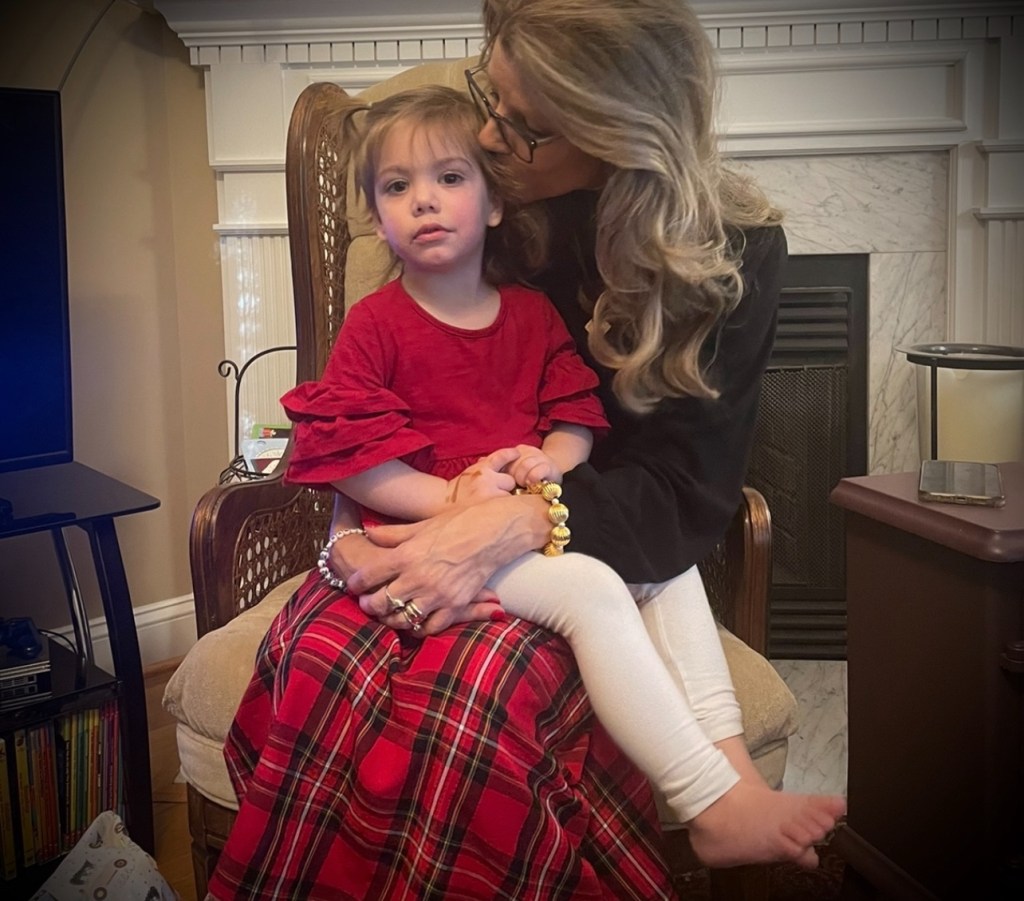
Wearing Franna’s jewelry

We play all day
We hide in our bedspread fort
Wearing Franna’s jewelry
While building our castles

We hide in our bedspread fort
We eat up all the ice cream
While building our castles
It’s always a magical time

We eat up all the ice cream
Singing a hundred songs
It’s always a magical time
At Franna’s house

— as magical for Franna as for her girls. ❤

*******

Composed for Day 21 of the Slice of Life Story Challenge with Two Writing Teachers

Grim tale

Over at Ethical ELA for the Monday Open Write, host Wendy Everard challenged participants with this thing called the double dactyl.

It’s deadly. Don’t even think of trying it.

Ok, not really deadly. You just kind of wish for grim death.

Ok, not really…but…it’s danged hard to write this “simple” poetry (or is it just me?).

Wendy shared the process:

  • The first line must be nonsense, often higgledy-piggledy or jiggery-pokery
  • The second line must be someone’s name. (Again, it has to be a double dactyl, so not every six-syllable name works. Matthew McConaughey does; Kareem Abdul-Jabbar doesn’t.)
  • The last line of the first stanza must rhyme with the last line of the second.
  • One of the six-syllable lines must be one word. This can be anywhere in the poem, but Hecht [one of the form’s creators] preferred it as the sixth line.

Ummmmmmmmmm….

So, here’s an example by John Hollander, another of the form’s creators:

Higgledy piggledy,
Benjamin Harrison,
Twenty-third president
Was, and, as such,

Served between Clevelands and
Save for this trivial
Idiosyncrasy,
Didn’t do much.

…and here are more good examples.

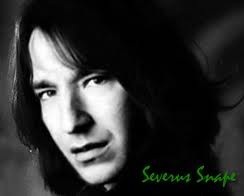
—All right. I gave it a shot. No one can call me a coward. I used one of my favorite Harry Potter characters: Professor Snape.

I know what you’re thinking: This post is getting grimmer by the line.

Yeah, well, so does my poem; even with ongoing revisions I still can’t get the dactyls right.

But I am letting my double-trouble terri-dactyl fly (get it? get it?).

Stand back!—[stretching arms, cracking fingers]—

A Spell of Redemption

Grim-diddy-grim-grib-roo
Snape the Professor, there
Greasy hair, face a-glare,
Stares holes in you.

Adaptability?
Impossibility.
Snape can never forget
The love he knew.

‘Tis misfortune indeed
For you, The-Boy-Who-Lived,
Always reminding him,
Turning the screw.

Wizard-child, unwitting
He’ll give his life for you
All due to your mother…
Snape’s love, still true.

—welp. I tried to do it, and him, at least a little justice.

P.S. I know the double dactyl is supposed to be humorous…like I said, I was feeling grim.

younger sev snape“. Snape’s True LoveCC BY 2.0.

*******

Composed for Day 20 of the Slice of Life Story Challenge with Two Writing Teachers

—and allow me to celebrate a milestone: This is my 1000th post on Lit Bits and Pieces.

Huh?

For Sunday’s Open Write at Ethical ELA, host Katrina Morrison invited participants to craft poems about their mondegreens.

What, pray tell, is a mondegreen?

In short: mishearing and misinterpreting song lyrics or lines of poetry read aloud. Katrina gave several of her own examples from the Eagles’ song “Hotel California.”

Our pattern-seeking brains are forever trying to make sense of things… I’m sure each of you out there has some hilarious lyric “mishearings” (hint: these make for fun writing, fellow Slicers-of-Life).

While there have been many mondegreen moments in my life, one of my favorites comes from my son when he was little.

My poem tells the story…

Why Would the Lord Look at THOSE?

Music is his thing.
Even as a little kid
he counted the beats,

making untallied
tally marks on his whiteboard.
At five, he joined me

at choir practice,
singing the hymns and medleys
with greatest gusto

and remarkable
musicality for one
so young and solemn.

Around Eastertime
he looked perplexed.
He finally asked:

“What does it mean, Mom?
This part: He looked beyond my
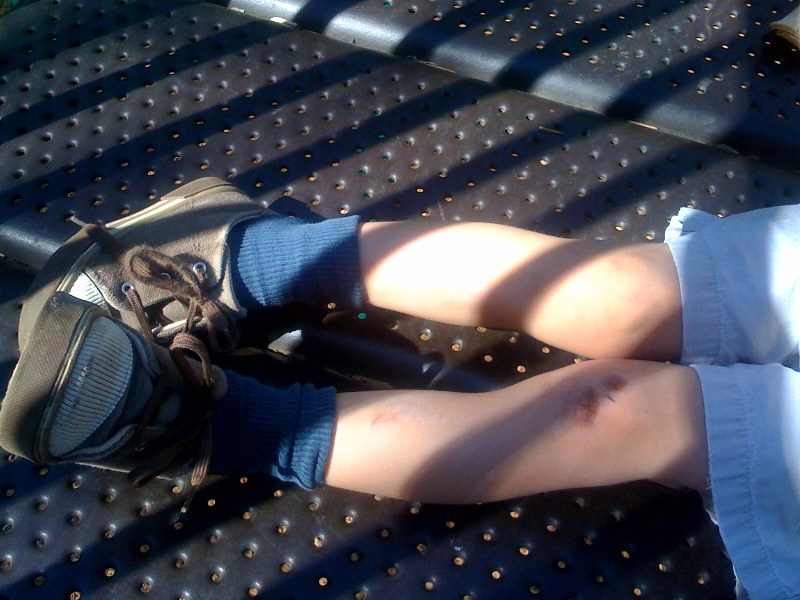
fault and saw my knees?


When I stopped laughing
enough to breathe, tears streaming,
I told him, “That’s NEED.”

Skinned knees“. QT1pCC BY 2.0.

One does have to admit little knees are precious…

*******

Composed for Day 19 of the Slice of Life Story Challenge with Two Writing Teachers

Interpretation of Grandmothering by AI

Over at Ethical ELA last month, host Amber Harrison invited Open Write participants to compose a poem inspired by Walt Whitman’s “Song of Myself”:

I celebrate myself, and sing myself,
And what I assume you shall assume,
For every atom belonging to me as good as belongs to you.

The idea being to fill in these blanks:

I celebrate____.

And what I _______you _____.
For every ___________ me as good
_______ you.

My poem:

Grandmothering

I celebrate the immutable now.

And what I pour of myself, you drink—a transubstantiation of sorts,
blood-memory in the making.

For every day, in passing, decreases me as good
as it increases you.

As anyone in a writing community knows, giving and receiving comments is the stuff we feed on to keep going. One of my fellow Open Write participants (“tellio”) offered this astonishing reponse to my poem:

Here is an explication of your poem by the AI Perplexity. It is, in a way a backfilling in of the lines. I wonder what Uncle Walty would make of it.

“Grandmothering” is a poem that delves into the profound connection between generations, particularly the relationship between a grandmother and her grandchild. The poem celebrates the present moment, emphasizing its unchanging nature, hence the phrase “the immutable now.” The act of sharing and passing on experiences, wisdom, and love is likened to a sacred transformation, described as a “transubstantiation of sorts,” evoking the religious concept of the Eucharist, where bread and wine are transformed into the body and blood of Christ.

The line “And what I pour of myself, you drink” vividly captures the idea of the grandmother imparting her essence to her grandchild, who receives it eagerly and completely. This exchange is described as a “blood-memory in the making,” suggesting that the bond between them is not only emotional and intellectual but also deeply rooted in their shared heritage and lineage.

The final two lines, “For every day, in passing, decreases me as good as it increases you,” encapsulate the bittersweet reality of this intergenerational relationship. As the grandmother imparts her knowledge and love to her grandchild, she recognizes that her own time and energy are finite. Each day that passes diminishes her own vitality and presence, yet simultaneously enriches and empowers the younger generation. In essence, “Grandmothering” beautifully captures the timeless cycle of giving and receiving between generations, acknowledging both the sacrifices and the joys inherent in this process. It speaks to the enduring significance of familial connections and the profound impact of legacy and heritage on our lives.

Oh, Perplexity. You have me weeping over the way you’ve pulled all that’s behind the poem and in my heart out into the open. How profoundly you understand the depths of my soul.

And you aren’t even human.

Or alive.

I celebrate the immutable now

*******

Composed for Day 18 of the Slice of Life Story Challenge with Two Writing Teachers

Jewels

On March 17th I typically write a post contemplating my obscure Irish roots while celebrating the novelty of my grandfather’s middle name: St. Patrick. Yes. For real. No one knows why, my down-east North Carolina Methodist Granddaddy hated it, and by my lifetime he’d legally changed it to the initial S.

I love the uniqueness of it. I cannot let the day pass without saying that Columbus St. Patrick Brantley’s name remains a treasure to me, a jewel in my family’s living memory, a perpetual mystery in our supposed non-Catholic history.

Here is where I diverge from my norm to chase, not a name, but a word: jewels. In keeping with the day, of course. The first jewel I’m after is brilliant language, and the Irish are rich in that. It glimmers in every bit of their wit, storytelling, poetry, and song.

In 1996, Frank McCourt’s memoir Angela’s Ashes burst upon the world and won the Pulitzer Prize. As soon as I learned of the book, I had to have it. Reviewers raved about McCourt’s narrative voice: Stunning. Lyrical. Dazzling.

So I got my own copy. From page one…spellbinding. My concepts of writing and memoir were forever changed; McCourt’s Irish voice has never left my head.

Of his many glorious phrases, one that returns to me most often comes from the scene where young Frank is in the hospital recovering from typhoid fever. In the room next door is a girl recovering from diphtheria. They can’t see each other, but she calls out to him. She says she has a book about the history of England with her, if he’d like to read it. He does. Books are treasures to him; his impoverished family doesn’t own any. The girl sends the book to him via the nurse, Seamus, who delivers it most reluctantly, complaining because it’s about England “after all they did to us” and that there “isn’t a history of Ireland to be had in this hospital.”

McCourt writes:

The book has the first bit of Shakespeare I ever read:

I do believe, induced by potent circumstances
That thou art mine enemy
.

...I don’t know what it means and I don’t care because it’s Shakespeare and it’s like jewels in my mouth when I say the words.

Jewels in my mouth…

I knew exactly what he means. I loved Shakespeare from my own first encounter. The last line of Sonnet 73 is the heartbeat of most everything I do in life, certainly of the things I write: To love that well, which thou must leave ere long. Jewels in my mouth, in my heart…the bequest of beautiful language.

McCourt eventually left Ireland for America where he became a high school English teacher. He’d regale his classes with stories of his childhood, and they’d say Hey Mr. McCourt, you should write a book.

So he did.

Angela’s Ashes.

And so the world is changed.

That is the power of story.

That is the second jewel from McCourt: Story. Specifically, writing of your own life.

In his final memoir, Teacher Man, he’s become a creative writing teacher. He’s trying to inspire students to write about their lives when they think there’s nothing interesting to say. He tells them: Every moment of your life, you are writing. Even in your dreams, you’re writing…Dreaming, wishing, planning: it’s all writing, but the difference between you and the man on the street is that you are looking for it…realizing the significance of the insignificant, getting it on paper. You might be in the throes of love or grief but you are ruthless in observation. You are your material. You are writers and one thing is certain: no matter what happens, you’ll never be bored again. Never…nothing human is alien to you.

Jewels. Your words, your story, your every moment. All priceless.

I met Frank McCourt in the winter of 2000 when he visited North Carolina State University. I went despite a falling snow. I took my oldest son with me and we listened to McCourt speak of his books and devastating childhood in Ireland. We listened, and marveled. We listened, and wondered about the story of our own origins on The Emerald Isle.

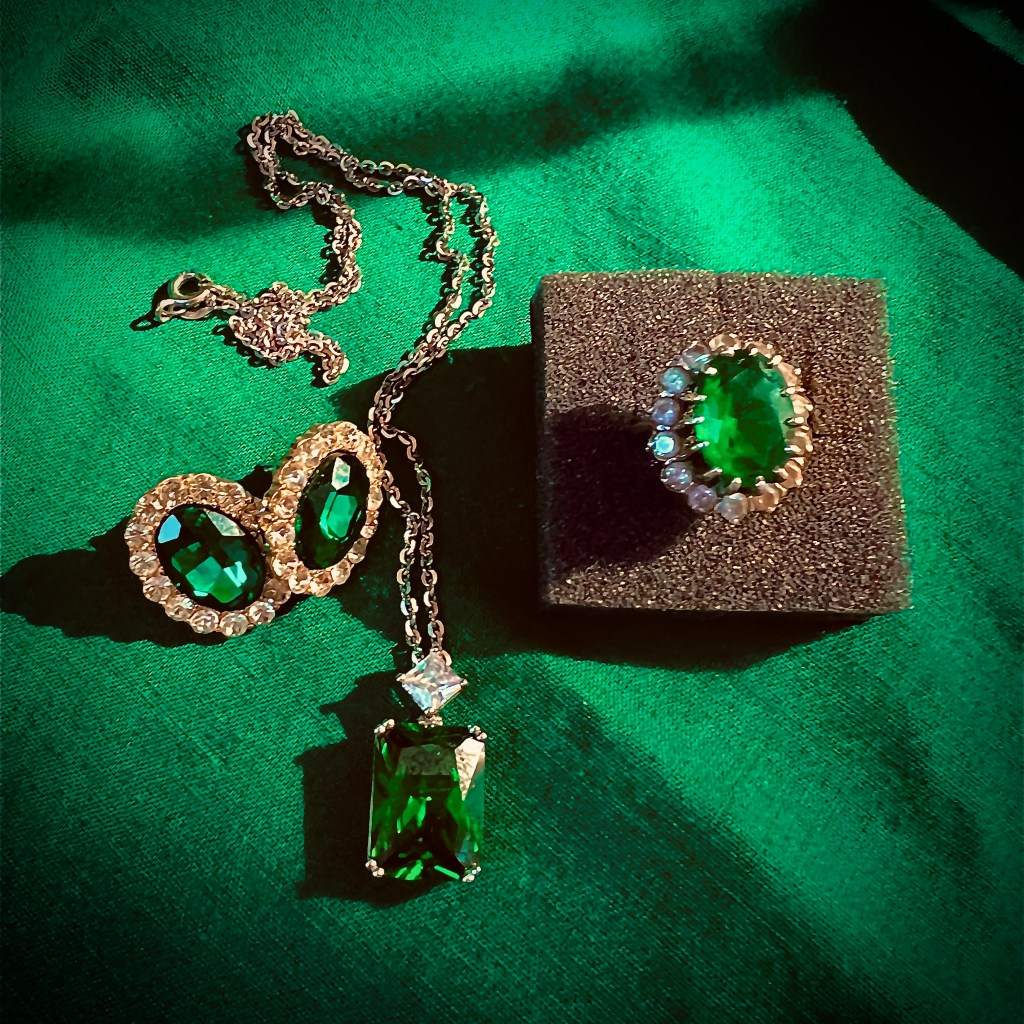
Which brings me to my final set of jewels for today: Christmas before last, my husband gave me a necklace and ring. His sister, without knowing or discussing it with him, gave me earrings. The jewelry, all bearing my birthstone, emerald, are a startling match. My sister-in-law chose the jewelry for me because she loves the color. My husband said, These are to remind you that one day, I’ll take you Ireland.

Where, I imagine, the voices of my distant ancestors still whisper in the wind…perhaps when I go, if I am very still, I might hear them…learn from them…

Until then, and always, I shall be about the excavation of my own story-jewels, with McCourt’s words echoing in my brain and my curious link to St. Patrick forever pulling at my heart.

As for today… here’s to proudly wearin’ o’ the green.

*******

Composed for Day 17 of the Slice of Life Story Challenge with Two Writing Teachers

*******

Works cited:

McCourt, Frank. Angela’s Ashes: A Memoir. New York, Scribner, 1996. (Pages 195-196)

McCourt, Frank. Teacher Man: A Memoir. New, York, Scribner, 2005. (Pages 244-246)

King no more

I cannot confess
to any success
playing
chess

and nevermore now
since

mine dog Dennis
—vicious brute!
—sharp of tooth!
has, forsooth!
—finished

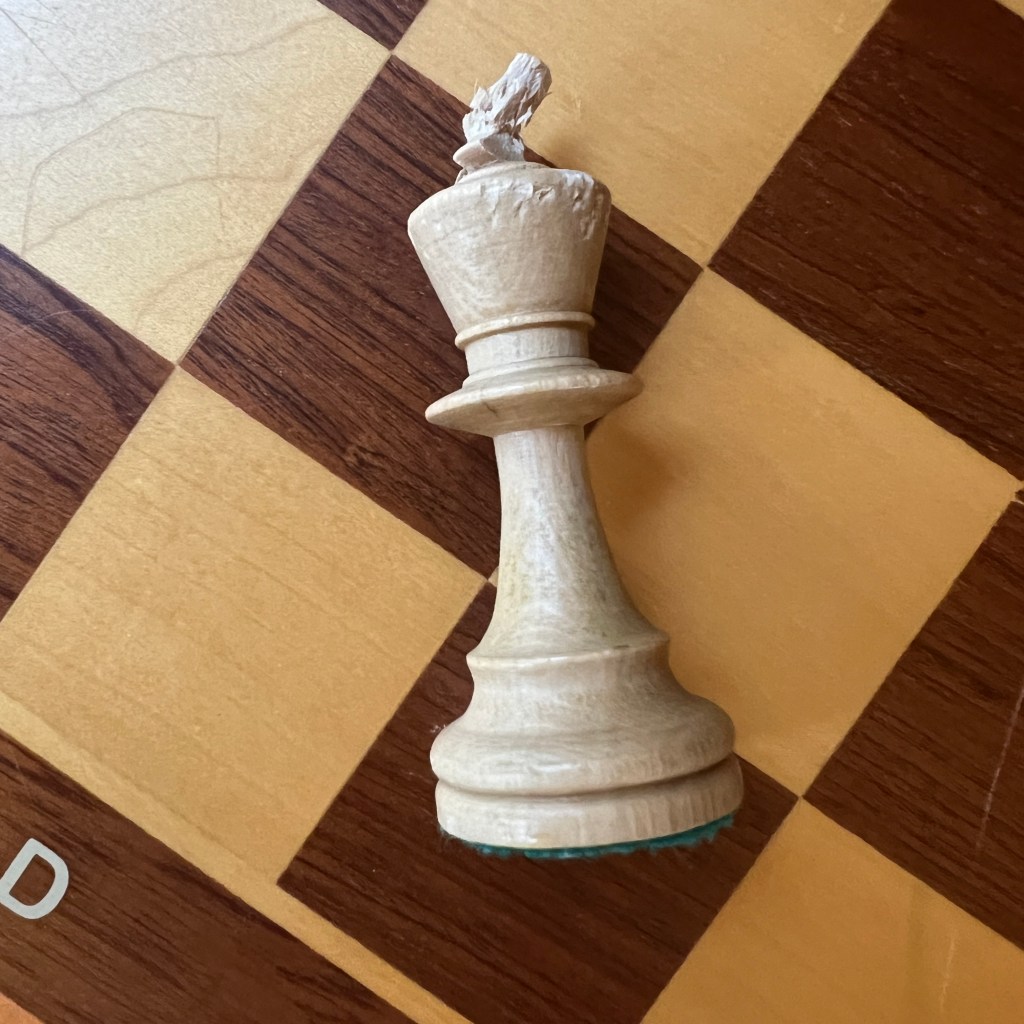
the King.

Or, almost.

The beast
heretofore lieth
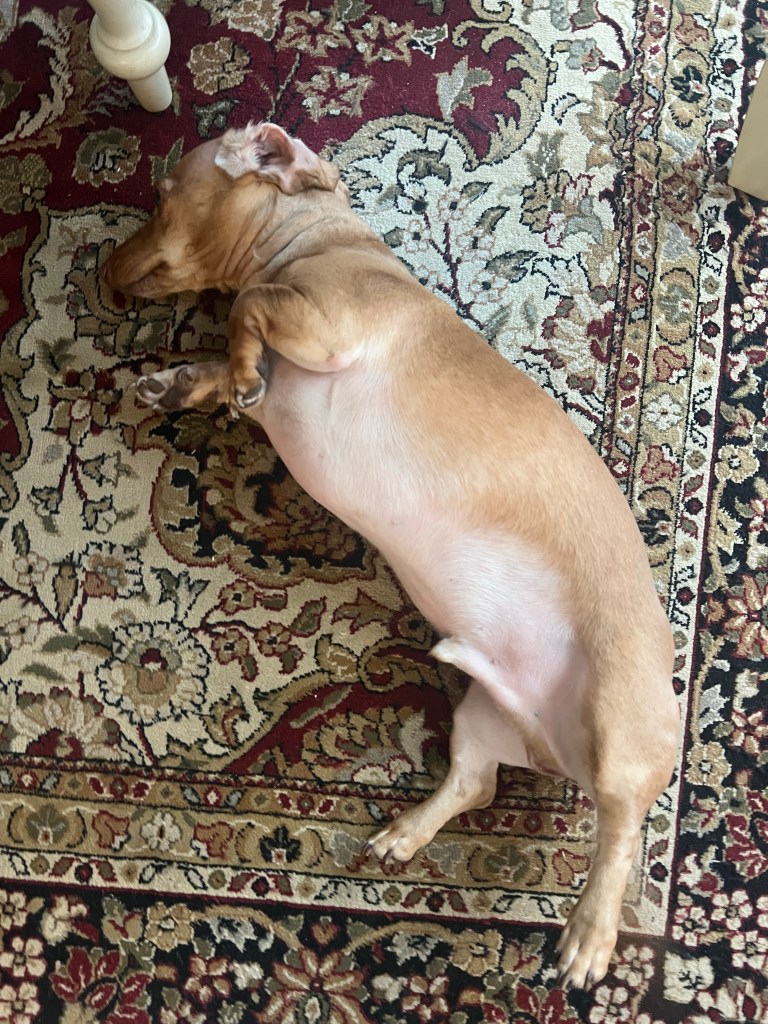
under mine table
chewing on some thing

methought was a bone…

but no

nonny nonny no.

‘Twas the King.

—Alas and alack!
The thing
is King
no more.

A sneak attack
whereupon
said brute,
confronted
subdued
scolded
and
marked
for banishment,

now groveleth
for all hims is worth
on mine floor.

Thinketh thou that the tiny wag of thine tail wilt redeem thee, miscreant?
Arrgh! Poor little Den-Den! It’s okay! I forgive thee pretty much anything.
Even the destruction of said King.

*******

Composed for Day 16 of the Slice of Life Story Challenge with Two Writing Teachers

Life’s a cupcake

Some time ago, I had my nails polished in a pale color delightfully named “Life’s a Cupcake.”

I’ve been hanging onto that, in case I ever decided to write something out of it.

—Why not today?

If Life’s a cupcake
then use real sugar.

If Life’s a cupcake
then add your own flavor.

If Life’s a cupcake
then try not to burn it.

If Life’s a cupcake
then savor the filling.

If Life’s a cupcake
then frost it thick with love.

If Life’s a cupcake
then offer it to others.

If Life’s a cupcake
then eat every crumb.

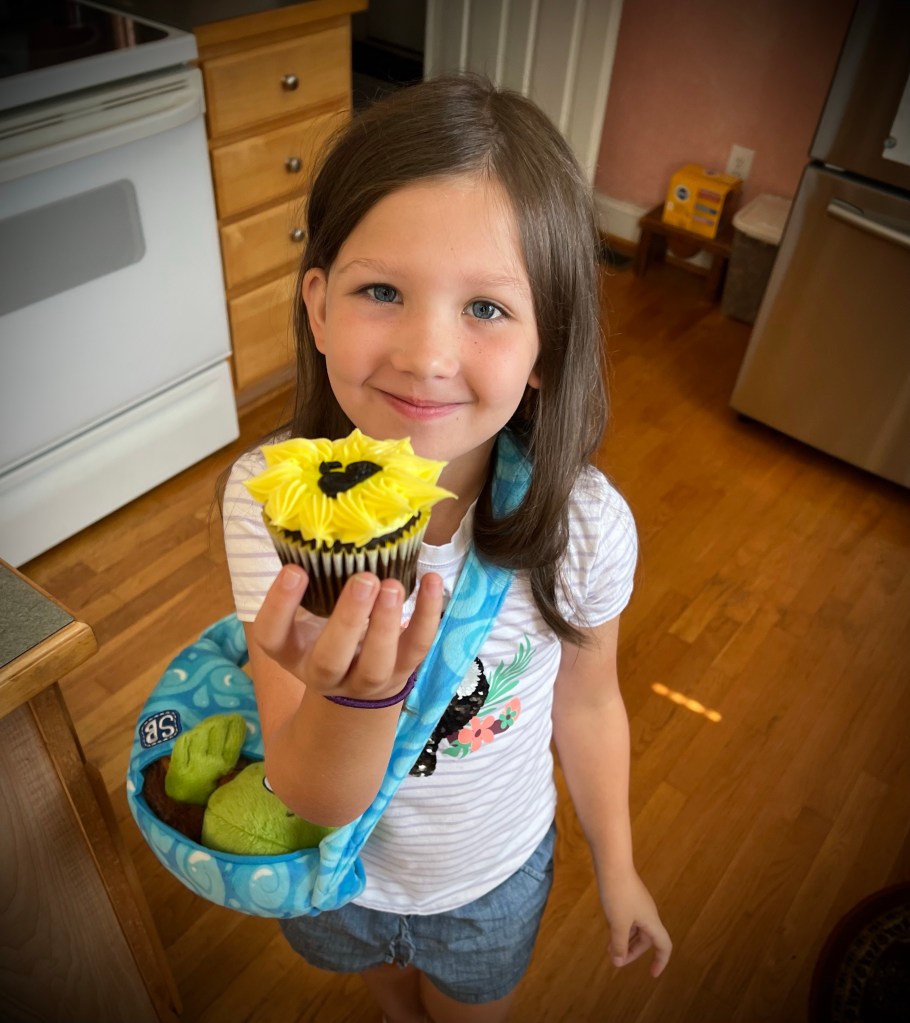
My sweet Scout, summer before last

*******
Composed for Day 15 of the Slice of Life Story Challenge with Two Writing Teachers

–oh, if you’re curious about the nail color, check it out: Life’s a Cupcake polish.
Note the brand name, “Creative Play”—how fitting!

Moments

Lines of an old hymn often play in my head:

Time is now fleeting, the moments are passing,
Passing from you and from me…

I hear it while I get ready for work each morning, where, of late, there’s a heavy atmosphere of uncertainty and despair.

Time is now fleeting, the moments are passing,
Passing from you and from me…

I hear it while having to drive through town instead of the scenic route by the pond, where the great blue heron lives, because a bridge is out, I’m told, for maybe a year or more (how can this be?).

Time is now fleeting, the moments are passing,
Passing from you and from me…

I hear it while noticing and grieving dead animals by the roadside… beaver, groundhog, opossum, squirrel, cottontail rabbit, white-tail deer, dog, cat; a hawk that flew too low at the wrong time, its wide pale wing, patterned in distinctive dark-brown bars, angled up and over its body like a shroud; and so many skunks, their beautiful black-and-white fur rippling in the wind…sluggish from hibernation, they wandered into the road, never to wake again.

Time is now fleeting, the moments are passing,
Passing from you and from me…

I hear it when I’m running late and traffic in the heart of town is backed up to an absurd degree (of course), making me turn off the main road for a side road, to save a few minutes…

That’s when I see the mural:


An ethereal moment calls for an etheree…

Breathe
deeply.
The moments
are soon passing
from you and from me…
let’s use them, not lose them
for every precious minute
sings unwritten song within it.
Breathe, and appreciate the moment.
Each, in itself, a sign of the divine.

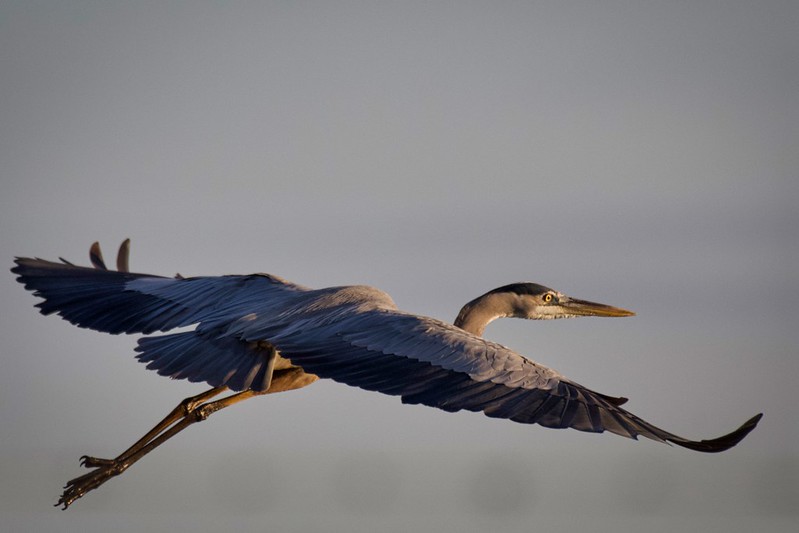
Funny thing…I see the “Breathe” message on a most difficult morning; on the drive home that afternoon, just past the mural, a great blue heron passes overhead, strangely low and close. I have never seen one here before. It looks otherworldly, ancient, sailing along serenely, impossibly, with barely a beat of its wings.

great blue heron glides
on slow wingbeats of wisdom
breathing the moment

Great Blue Heron in Flight – (Ardea herodias). Milazzoyo. CC BY-NC-SA 2.0.

*******

Composed for Day 14 of the Slice of Life Story Challenge with Two Writing Teachers

Nature’s divine voice

Nature is the infrastructure of our communities…Nature enriches us economically and culturally and historically, but it also enriches us spiritually. God talks to human beings through many vectors: Through organized religions and the great books of those religions, through the prophets and wise people, and through art and literature and music and poetry, but nowhere with the same detail and texture and grace and joy as through Creation. And when we destroy nature, we impoverish our children. We diminish their capacity—and our own—to sense the Divine, to understand who God is, and to grasp what our own potential is as human beings.” —Robert F. Kennedy, Jr.

Confession

Before I started writing
in earnest
I didn’t know
how much
I love nature

I should have known
by the way
cicada summersong
stirs sacred memories

I should have known
by the certain slant
of light
on fiery autumn trees
there’s hope within
which never leaves

I should have known
from the brilliant beckoning
of silversharp stars
on a clear winter’s night
or by Venus,
glittering bright
over the ocean
as the sun rises
that the soul
must keep reaching
for what it cannot
grasp

I should have known
that once I start seeking
I will find
just as I discover hawks
perched high above me
every single time
I think to look up

I should have known
by the poignant scent
of fallen pines
and freshcut grass
that newness
returns
after the pain

I should have known
how much humans
have lost
by not living close
to the earth
as we were meant to
(as we did, in ages past)
or how this void
is behind
the longing
of every soul
crying out
for belonging
healing
restoration
and peace

I should have known
all things
are interconnected
and sustained

by the voice
speaking through
nature…

Before I started writing
in earnest
I didn’t know
how much
I love nature

but the important thing
is that I know it now

I will always know it, now

for, like finchsong
at my door,
untold glories
surround me

weaving their way
into my writings
so that I recognize
holy rhythms
of life

spoken into being
into my being

—let me listen
oh, let me listen.

One of last year’s baby bluebirds hanging out by its natal home, on my back deck

*******
Composed for Day 13 of the Slice of Life Story Challenge with Two Writing Teachers

Otters

My granddaughter, Micah, loves otters.

It is my fault.

Last summer, when she was just a year-and-three quarters old, I showed her a clip of a squealing baby otter in water for the first time (I find this scenario confusing but I’ve chosen to accept it for the time being).

Her dad, my son, recorded her reaction…oh, and that’s Dennis, of course. He has to be in the middle of everything:

On every subsequent visit, Micah has asked to see the baby otter.

I’ve played the clip a million times.

Naturally I started buying her otter toys.

Micah’s Mama gave her the CUTEST otter bedroom slippers for her second birthday (I so wish I had a photo; I must get one).

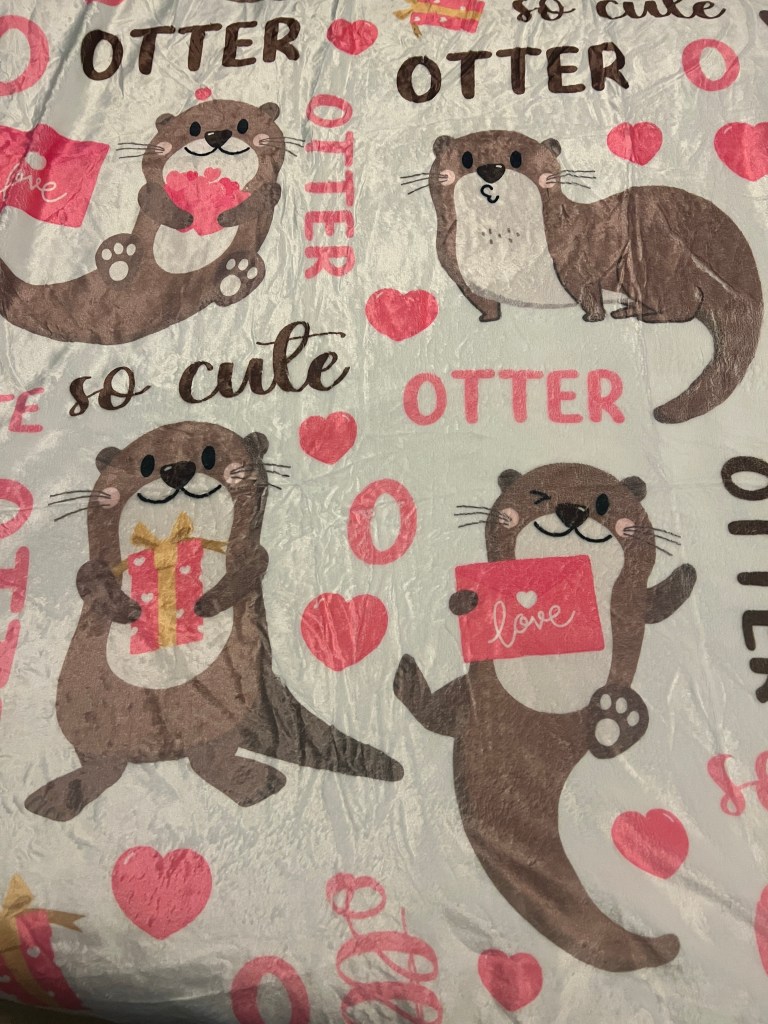
Imagine my delight upon finding this blanket at Christmastime:

Micah adores it so much that she must have it now to go to sleep.

This gives my Franna-heart so much joy, as she’s struggled with going to sleep all of her little life.

When she stays at my house, she will crawl into my lap and say, “Snuggle. Need baby otter blanket.”

So I carry her to retrieve it. We return to the sofa. I wrap the baby otters around her, rocking gently, gently, until she drifts off.

And I will hold her for ever how long it takes, until she wakes.

Once in a while
There comes a creature so wondrous
That you will hold it close forever
Embracing joy, erasing fear…
Rest here against Franna’s beating heart
Sleep, my darling, sleep.

*******

Composed for Day 12 of the Slice of Life Story Challenge with Two Writing Teachers