Magical treats

My room at school is kind of magical.

It’s decorated with a Harry Potter theme. I have a Diagon Alley backdrop behind my desk. Whenever I sit there to catch up on email, I blend in; people entering the room don’t even realize I’m there. When I speak, I startle them – next best thing to a Cloak of Invisibility!

Children from all grade levels, kindergarten through fifth, love to come by to look at my books and memorabilia. They share what they know about the series. They ask questions. They tell me which Hogwarts house they belong to (Gryffindor, Hufflepuff, Ravenclaw, Slytherin) and which houses their moms belong to. Always the moms. Every once in a while, a child will bring me a gift, like a Harry Potter pencil or sticker: “When I saw this, I thought of you, Mrs. Haley!”

My colleagues have done the same. I have been given a Hedwig owl hairclip, a Hagrid birthday cake topper for my water tumbler straw, Harry, Hermione, and Ron Pez dispensers, assorted little figurines, and Harry Potter Hershey’s Kisses (yum!).

These are more than random acts of kindness. They are gestures of love, and they humble me.

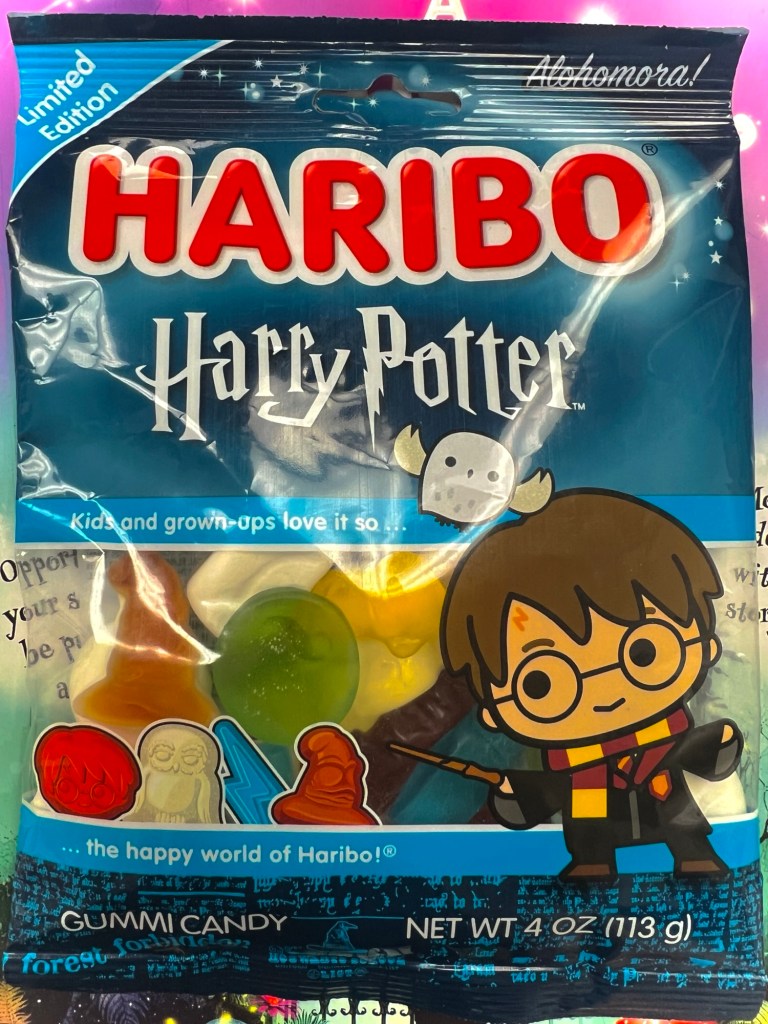
In the last couple of weeks, more magical treats materialized. A volunteer gave me Harry Potter gummies:

Note the word Alohomora! in the upper right corner: Open!

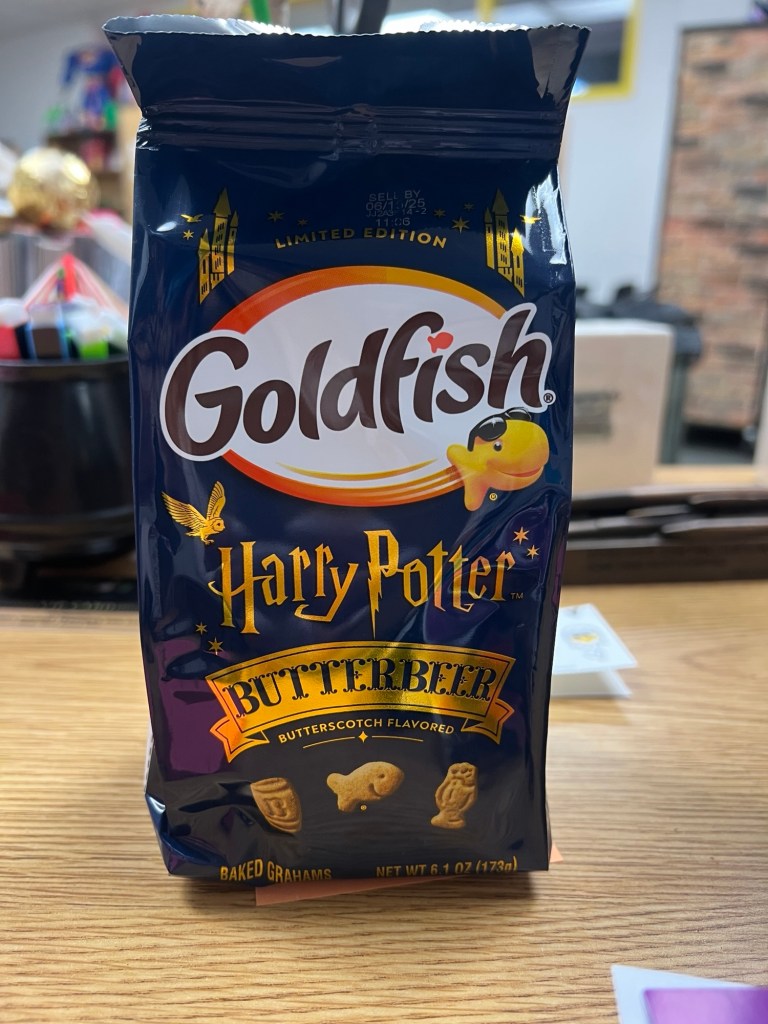
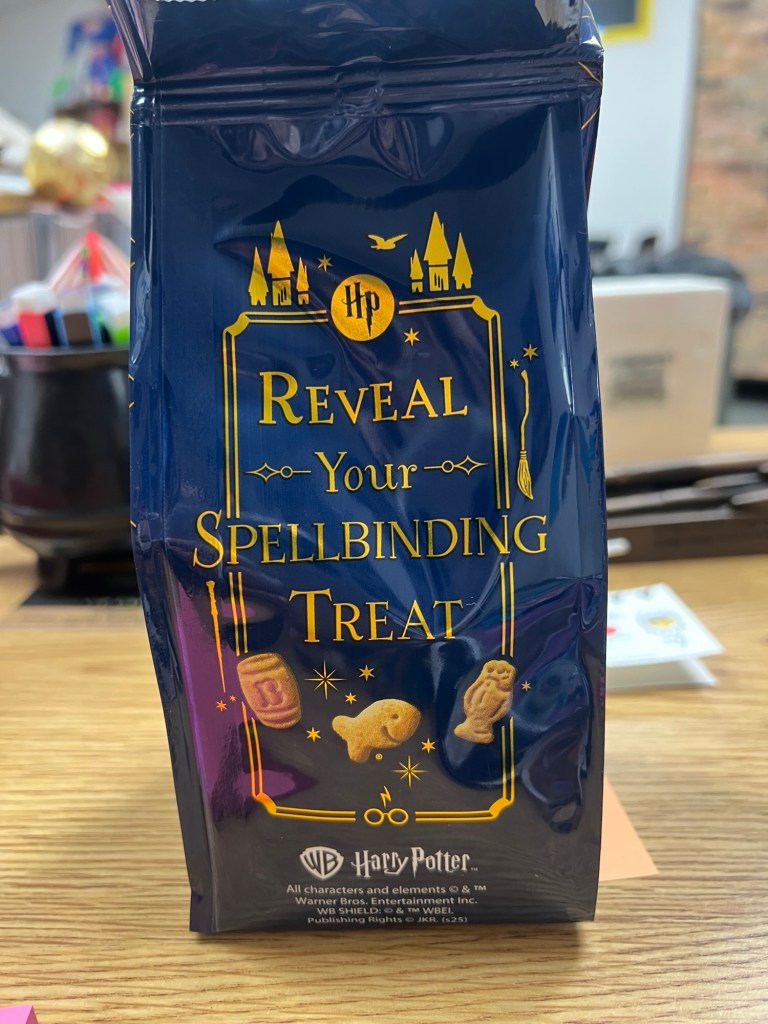
A colleague gave me a bag of Harry Potter Butterbeer Goldfish:

The moral of the story here is much like that of the series itself: It’s not really about magic, wizards, or witches. All that is just the backdrop. The real message is that sacrificial love and friendship – along with the courage to stand up for what is right – are more powerful than fear, hatred, and evil.

Thank you, precious gift-bearers, for the timely and delicious reminders.

*******

with thanks to Two Writing Teachers for the March Slice of Life Story Challenge

Grim tale

Over at Ethical ELA for the Monday Open Write, host Wendy Everard challenged participants with this thing called the double dactyl.

It’s deadly. Don’t even think of trying it.

Ok, not really deadly. You just kind of wish for grim death.

Ok, not really…but…it’s danged hard to write this “simple” poetry (or is it just me?).

Wendy shared the process:

  • The first line must be nonsense, often higgledy-piggledy or jiggery-pokery
  • The second line must be someone’s name. (Again, it has to be a double dactyl, so not every six-syllable name works. Matthew McConaughey does; Kareem Abdul-Jabbar doesn’t.)
  • The last line of the first stanza must rhyme with the last line of the second.
  • One of the six-syllable lines must be one word. This can be anywhere in the poem, but Hecht [one of the form’s creators] preferred it as the sixth line.

Ummmmmmmmmm….

So, here’s an example by John Hollander, another of the form’s creators:

Higgledy piggledy,
Benjamin Harrison,
Twenty-third president
Was, and, as such,

Served between Clevelands and
Save for this trivial
Idiosyncrasy,
Didn’t do much.

…and here are more good examples.

—All right. I gave it a shot. No one can call me a coward. I used one of my favorite Harry Potter characters: Professor Snape.

I know what you’re thinking: This post is getting grimmer by the line.

Yeah, well, so does my poem; even with ongoing revisions I still can’t get the dactyls right.

But I am letting my double-trouble terri-dactyl fly (get it? get it?).

Stand back!—[stretching arms, cracking fingers]—

A Spell of Redemption

Grim-diddy-grim-grib-roo
Snape the Professor, there
Greasy hair, face a-glare,
Stares holes in you.

Adaptability?
Impossibility.
Snape can never forget
The love he knew.

‘Tis misfortune indeed
For you, The-Boy-Who-Lived,
Always reminding him,
Turning the screw.

Wizard-child, unwitting
He’ll give his life for you
All due to your mother…
Snape’s love, still true.

—welp. I tried to do it, and him, at least a little justice.

P.S. I know the double dactyl is supposed to be humorous…like I said, I was feeling grim.

younger sev snape“. Snape’s True LoveCC BY 2.0.

*******

Composed for Day 20 of the Slice of Life Story Challenge with Two Writing Teachers

—and allow me to celebrate a milestone: This is my 1000th post on Lit Bits and Pieces.

Reflecting on wonder

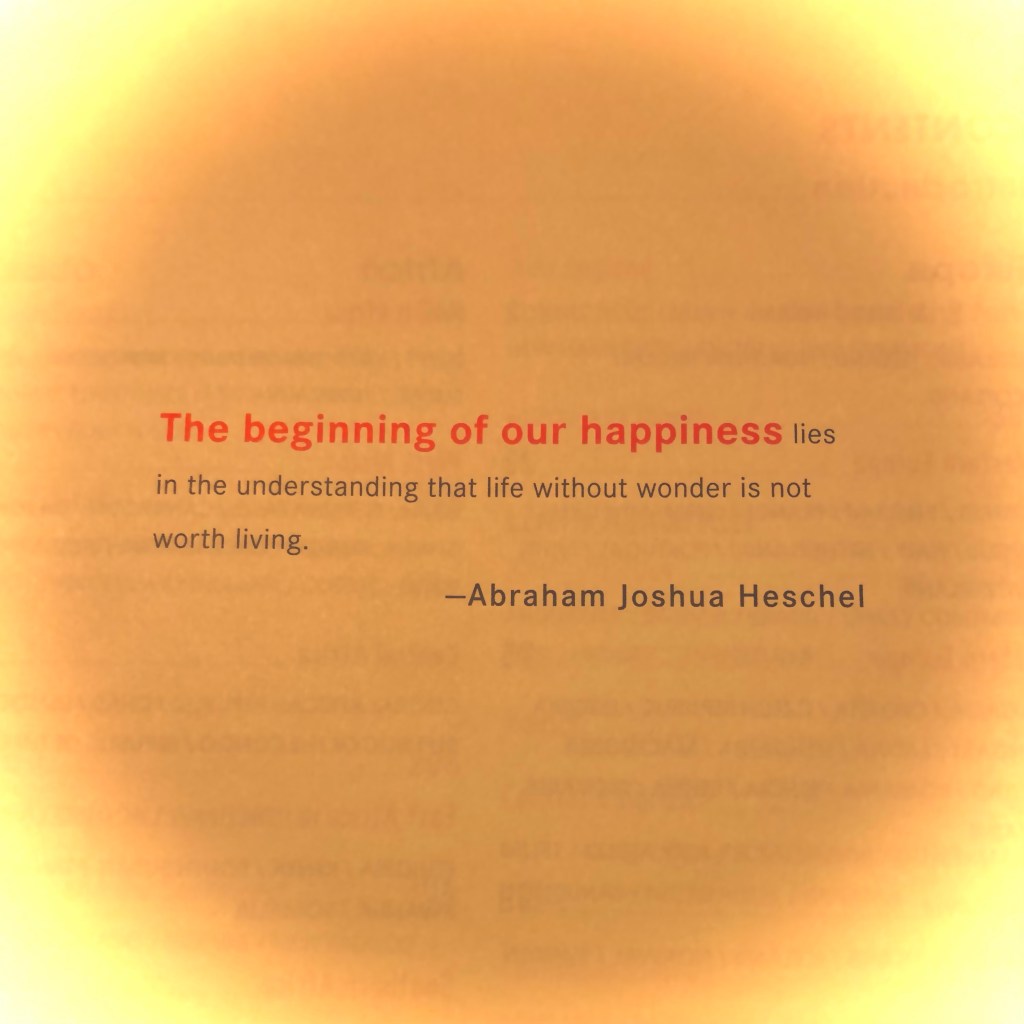
“The beginning of our happiness lies in the understanding that life without wonder is not worth living.” -Abraham Joshua Heschel
Epigraph in Atlas Obscura: An Explorer’s Guide to the World’s Hidden Wonders
(Foer, Thuras, & Morton).

On the first week back to school after the holidays, I spent time covering classes and duties for colleagues who are out due to COVID protocols. I arrived on campus each day not knowing what I’d be called on to do. This has been the pattern for the whole school year thus far, in fact, and it may continue until June…

But I am not going to focus on the intensified daily juggling act.

I will concentrate on the unexpected moments of light…such as when a colleague told me that my iPhone could understand spoken Harry Potter spells.

This I had to see for myself.

Hey, Siri: Lumos...and my flashlight came on. (Lumos is the spell that makes wands and lamps light up in the books in and movies, for those who don’t know).

Hey, Siri: Nox…and my flashlight turned off.

Hey, Siri: Accio Twitter…and my Twitter app opened up in my phone.

Tell me this is not a great wonder, technology.

Furthermore, the knowledge came in handy when I filled in for quarantined teachers in upper grades. I demonstrated the “magic” and wowed the kids.

That’s the thing about wonders…you want to share them. Wonders are not meant to be contained. They are contagious. They are forever beckoning and burgeoning.

So maybe the magic of Siri understanding Harry Potter is a small thing.

Maybe a greater wonder is finding the right book to inspire a reluctant reader. This past week it was not Harry Potter but books about children with physical limitations and differences who face extreme challenges. Out of My Mind by Sharon Draper. And, of course, Wonder by R.J. Palacio. They grip you from the start…

I pause to reflect here on all the wonder wrought by books in my own life. I feel the covers tingling with magic whenever I pick them up (maybe it’s just my anticipation).

Last week I watched the wonder on kids’ faces as they learned how a prism or raindrop separates light into colors. I watched in wonder as two students known for behavior issues stayed on task to complete their assignments when they were allowed to work together.

I thought, randomly, about the fireworks that went off in the distance on New Year’s Eve. My six-year-old granddaughter was spending the night. My husband and I allowed her to stay up. She heard the booming of the fireworks at midnight and wanted to see them. We went out on the back deck, but fog and trees obscured our view.

I’ve never gotten to see fireworks, said my granddaughter.

One day you will, I told her.

I like the sound of them. It makes me feel calm.

That filled me with wonder…I have never heard anyone express that about the sound of fireworks. Least of all a child.

Maybe the calmness has not so much to do with the sound but the place and the sense of safety…these are linked in their way to wonder. The unexpected, the new, a bit of uncertainty but also an embracing. The opening Heschel quote encapsulates it well: The beginning of our happiness lies in the understanding that life without wonder is not worth living.

Like a bright, beckoning burst suddenly illuminating a moment, a mind, a spirit.

Do you remember spending last New Year’s Eve with us, too? my husband asked our granddaughter.

Oh yeah! Can I stay here next year, too? And the one after that?

Sure you can! You can stay every New Year’s Eve if you want.

Even when I am fifty-nine?

Yes, even when you are fifty-nine.

Wonders upon wonders await.

Of this, I am sure.

*******

with thanks to Two Writing Teachers for the Tuesday Slice of Life Story Challenge and the wondrous community of writers.

Pencil wizard

Once upon a time, I said that writing is the closest thing there is to magic.

Here is why.

Magic is not, well, magic. It is a lot of work (or why would Hogwarts exist? Just saying).

Writing is a lot of work.

Work (a lot of it) makes the magic happen.

Here is a true story of magic moments at the end of this dystopian school year (know that I am suppressing the urge to compare virtual learning to disapparating, i.e., teleporting from place to place, or essentially vanishing). After end-of-grade testing—I said dystopian, right? What does the State expect this data to look like?—a fourth-grade teacher sent me a note:

One of my students has been writing a story in his free time. He wants to read it to the class. He knows it needs some work and I am wondering if you have any time to help him? He’s not usually motivated to write…

I made time. I would shift heaven and earth for this.

He came to my room wearing a giant grin, clutching his pencil and notebook. I recognized the cover—it’s a notebook our district distributes to teachers. His teacher must have given it to him especially for his story, for in grades 2-5, our district doesn’t use writing workshop any more (and that, Dear Readers, is a whole ‘nother tragedy for the telling on another day).

“Come in, come in!” I said. “Have a seat here beside me and read me your story.”

Without giving too much away (for the story is his): It’s a fantasy, a battle between humans and wizards, the protagonist a young wizard with power to make living things grow. The student read it all aloud and then we went back to make some changes for clarity and flow, with my asking:

“What exactly do you mean here, when…”

“What is it you are trying to tell the reader? What do you want readers to think or feel here?”

“Think of an action to add here, so readers or your audience can better see what’s happening in their minds, like we do when we watch a movie. What are you seeing here in your own mind? That’s what you need to get across.”

“What’s a better word choice here, to make the meaning clear?”

While the boy thought and elaborated aloud, I began typing the story. As I read the lines back to him, his face glowed: “Perfect! That’s amazing!”

“That is the power of revision,” I told him. “When you start writing, it’s all about getting your ideas down. When you go back to make the meaning clear, by adding these kinds of details and taking out what you don’t need, that’s where all the magic happens.”

“We’ve made a lot of changes,” the boy observed, “but it’s SO much better.”

And yet the story remained the story he wanted to write.

We’d changed city to town, people to townspeople. He made the stylistic choice to capitalize Humans. We’d added transitional phrases to keep the readers from falling out of the story. We added gestures for the young wizard when he makes vines grow (“I need to see how the wizard does this,” I explained). The student vetoed my suggestion to go ahead and incorporate “earthbending power” (a phrase borrowed from video games): “I am not ready to tell readers yet about earthbending power,” he stated. —Such a tone of authority!

“All right then! You’re the author. Save it for when the time is right in the story. Just make a note here to add earthbending power later.”

And then the word tome… “Is tome the word you want here, where you say the wizard found a tome in the laundry?”

“Yes. It’s a big book of spells.”

I blinked. “Indeed! That’s impressive. Just make sure your readers know what you mean here, that they can see and understand what you mean by tome.” It became an ancient tome of spells, hidden in a robe in the laundry, that the young wizard began to read “without realizing the power he now carried”—those are the student’s own words, not mine.

And thus I spent the last days of school this year watching the love of writing take root and flourish in the heart of a child…magical, indeed, in a year where so much felt anything but, even in some of my own writing of late.

As I write this morning, sunlight streaming in my window like all the glories of summer on the cusp, I recall my final words to this child as he carried his typed version away in a bright yellow folder: “Keep writing!”

In my mind’s narrative, I add: Young word-wizard, with earthbending power.

For that is the magic of writing.

May he cultivate it all of his life.

Imagine. Indy Sidhu. CC BY

with my thanks always to Two Writing Teachers, a community dedicated to the craft, power, and love of writing, for all Humans.

Always

The annual Slice of Life Story Challenge with Two Writing Teachers commences today, meaning that I will be posting every day in the month of March. This is my fifth consecutive year of participating.

I’ve learned a few things along the way about perseverance, creativity, and trust. Writing is, after all, an experiment in trust. You must trust yourself, trust that the words will come, that the Muse WILL show up. You take the plunge, trusting in the congenial ebb and flow of the writing community. You become a conduit of giving, of receiving. That is the power of story.

This year I am also experimenting with an abecedarian approach. Rationale: If I write around a word beginning with each letter of the alphabet…it will carry me through twenty-six days! That gives me five “wild card” days for the thirty-one in March. We’ll see how it goes. I could start with my word for the year, awe, but as I’ve written about that quite a bit since January, I will go in a different direction today.

I begin, instead, with always.

Always is cloaked in the aura of awe, anyway.

******

It’s woven through every great love story. The unbreakable thread, even when knotted with pain and loss. It glitters in the brightest moments and in the darkest; it is anchored deep in the human heart. It is the pull of permanence in the face of impermanence, mortality, powerlessness.

It is the word Severus Snape speaks in Harry Potter and the Deathly Hallows, the moment we learn that he isn’t pure evil, that he has lived for years in his own personal hell, that he loved, and still loves, Harry’s dead mother. Snape will die protecting her son (which, if he’d made different choices along the way, might have been his own; the bitterness and self-blame run so deep). When this all dawns on the Hogwarts headmaster, Dumbledore, he asks, in tears, if Snape still loves Lily “after all this time.”

Snape says: Always.

He is, in that one word, redeemed.

It is the operative word of the song Dolly Parton wrote in 1973 when she left Porter Wagoner and his show to begin her solo career: I Will Always Love You. Bittersweet lyrics, wishing the best for someone as the relationship itself disintegrates…it’s not just about love. It’s about always. It reverberates with gratitude. And you’re likely hearing Whitney Houston’s voice instead of Dolly’s—the young, beautiful, vibrant Whitney, always alive in that iconic song.

It is a memory word, pulsating in the veins of our allotted days. What are the things, the moments, that you will carry with you always? The people, the songs, the stories?

Always is why I write. To remember those things that matter, to jettison those that burden, to sail on through the storms to the calm that lies beyond. It is always there. Morning always follows the longest night. Night is always necessary; it invokes sleep, opportunity for the brain to repair itself. A mooring, in order to keep powering on. Much like writing itself.

Then there are dreams…an always-fascinating phenomenon.

I’ve been paying attention to those of late, writing them down, especially recurring dream symbols: birds, notably eagles. Lots of vivid green in unexpected places. Water, which is a metaphor for life. Once I dreamed I was swimming at dusk in an unknown sea alongside a shore dotted with houses and twinkling lights. I knew my destination was still a long way off. Just as I felt I wouldn’t make it, a dolphin came to guide me onward. It stayed close to my side, occasionally leaping. I touched it. I felt its slick, smooth skin against my palm. On contact, an instantaneous infusion of comfort: I absorbed the dolphin’s inherent cheer; I could rely on its agility, its navigational acuity. See how even dreams lead back to trust. Dreams are not always good, but most of mine are, thankfully. Troubled dreams are often the psyche’s way of trying to problem-solve.

And that takes me back to my great love, writing—for it’s the ultimate problem-solving mechanism. Writing is the chance dream while awake.

Always.

Harry Potter fans know the symbolism of the doe…

*******

Another favorite ‘a’ word in addition to always and awe: Abide. I wrote around that last autumn. A new “a” word I’ve learned: Anaplastology. Ana = anew, plastos = something that is made, so, “something made anew.” It is the branch of medicine which deals with prosthetic rehabilitation of a missing or malformed body part.

Dennis!

a little Poetry Friday fun

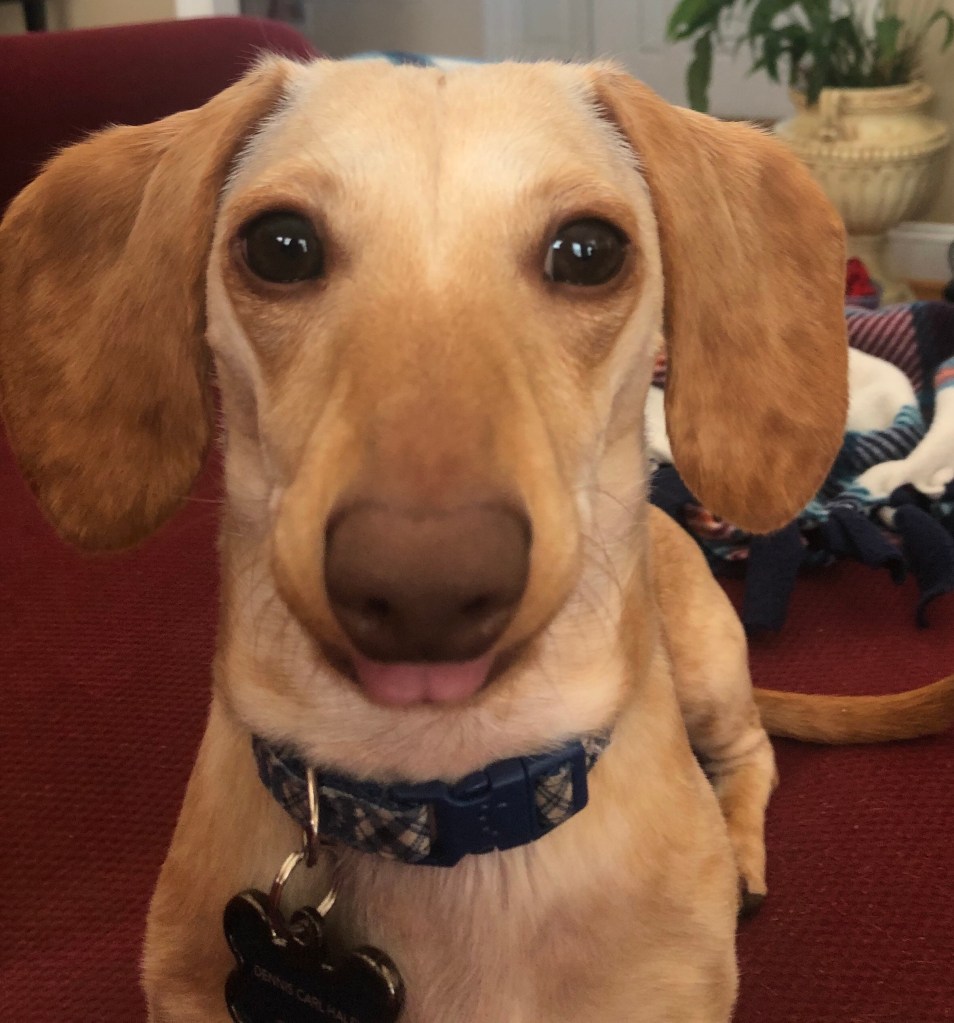
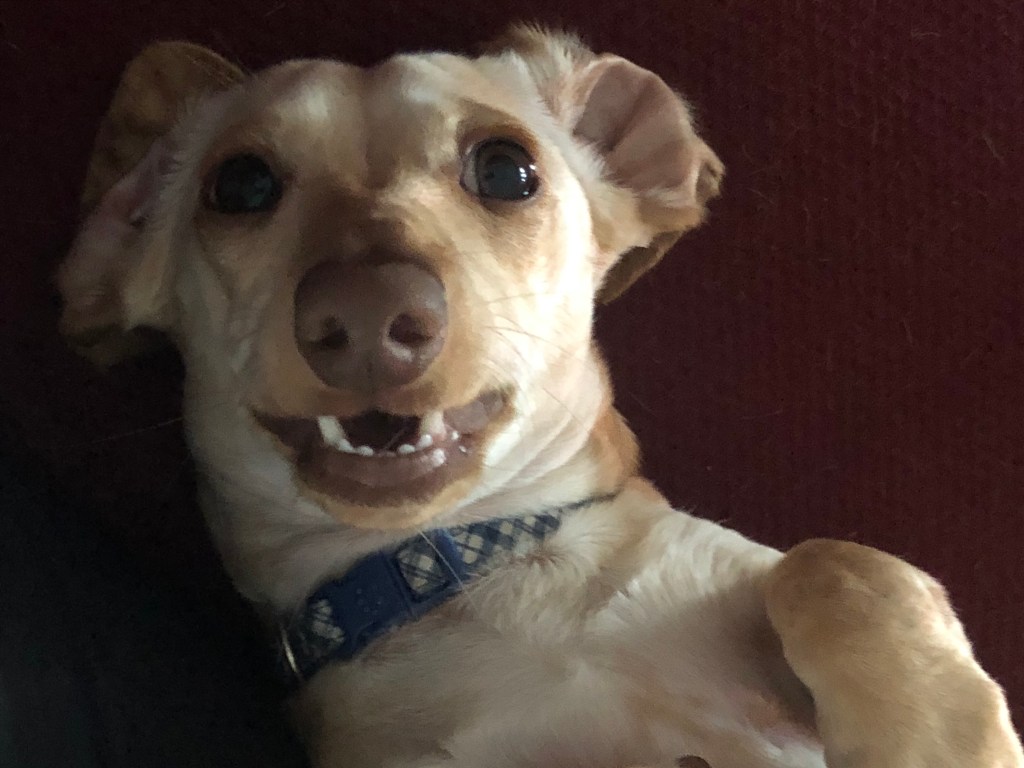
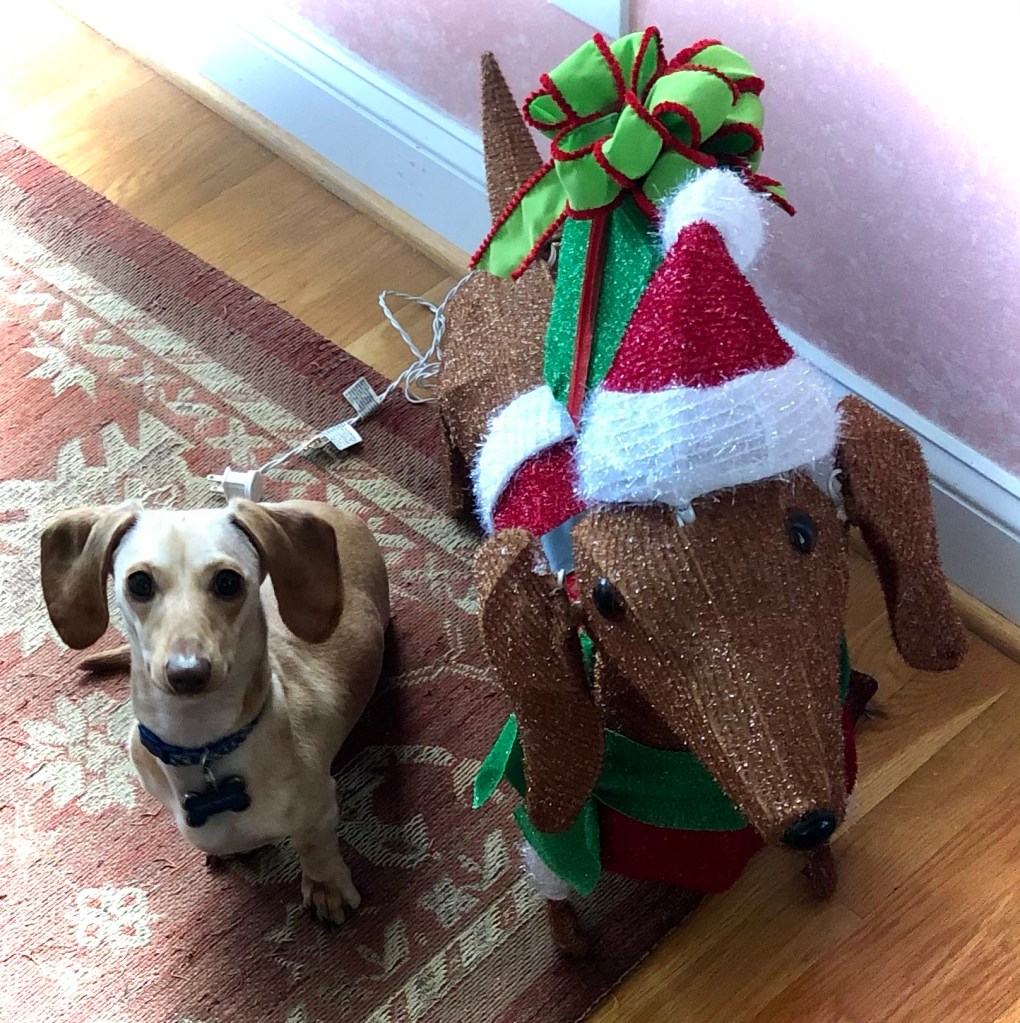
Hi! I’m Dennis!

I’ve been waiting and waiting for the world to know about me!

The world SHOULD know about me! The world NEEDS to know about me!

Here are a few reasons why!

No. 1: My “Me” Acrostic!

(I live and breathe this every day! It’s who I am!)

Determined!
Energetic!
Ninja-like (only when sneaking socks)!
Nosey (hey, I’m a hound who’s gotta know all)!
Incredible (IMHO)!
Spirited!

Most of all, I love to have FUN FUN FUN…which reminds me of my namesake!

No. 2: My Namesake!

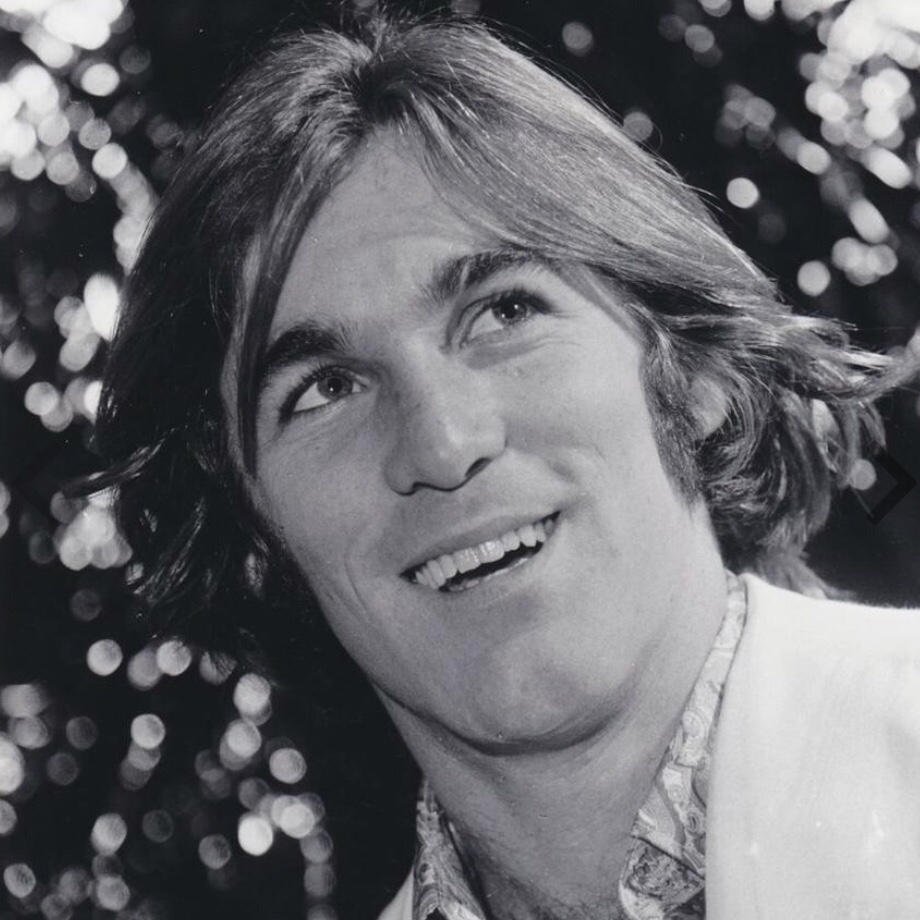
He was a famous drummer! I should be famous! My heart is drumming like mad all the time! Maybe you have heard of Dennis Wilson? We even look EXACTLY ALIKE!

—Toldja!

Mirror, mirror, on the wall
Who’s the fairest Dennis of all?

Well, gosh, that’s easy – ME!

And, not only am I named for a famous drummer, I do great impressions!

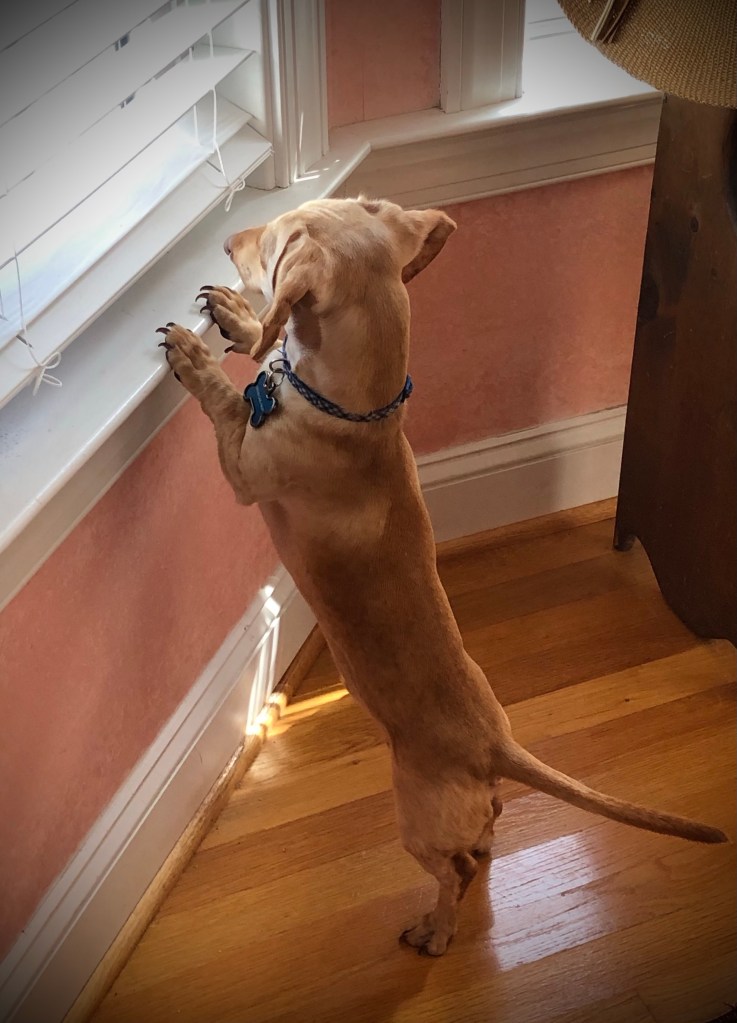
No. 3: Dobby!

A sock, a sock
my soul for a sock!

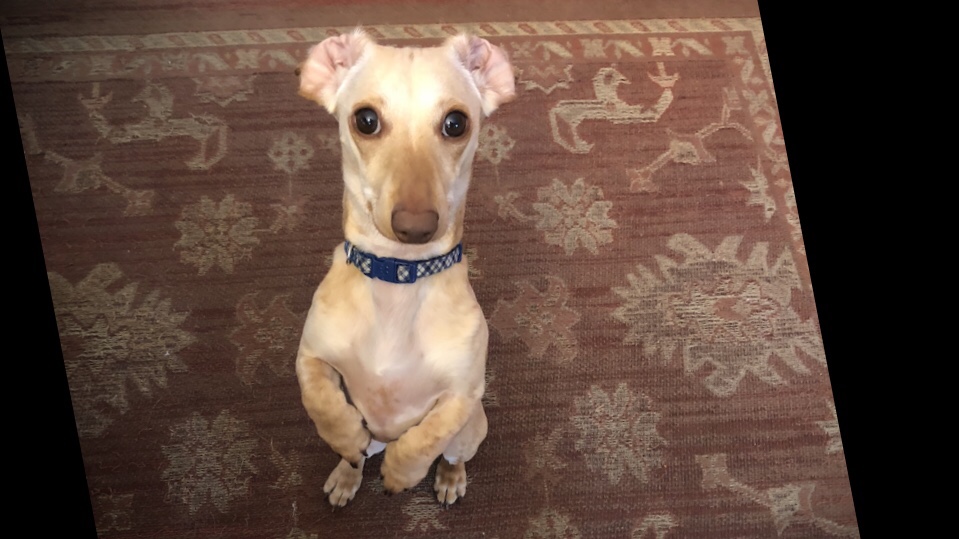
—um, you all know Harry Potter, right? Didja notice how the border in my portrait goes diagonally?
Get it?
Diagon Alley?
Get it? Get it?

Oh, never mind!

I should also be a model for other famous books!

No. 4: Modeling for Children’s Lit!

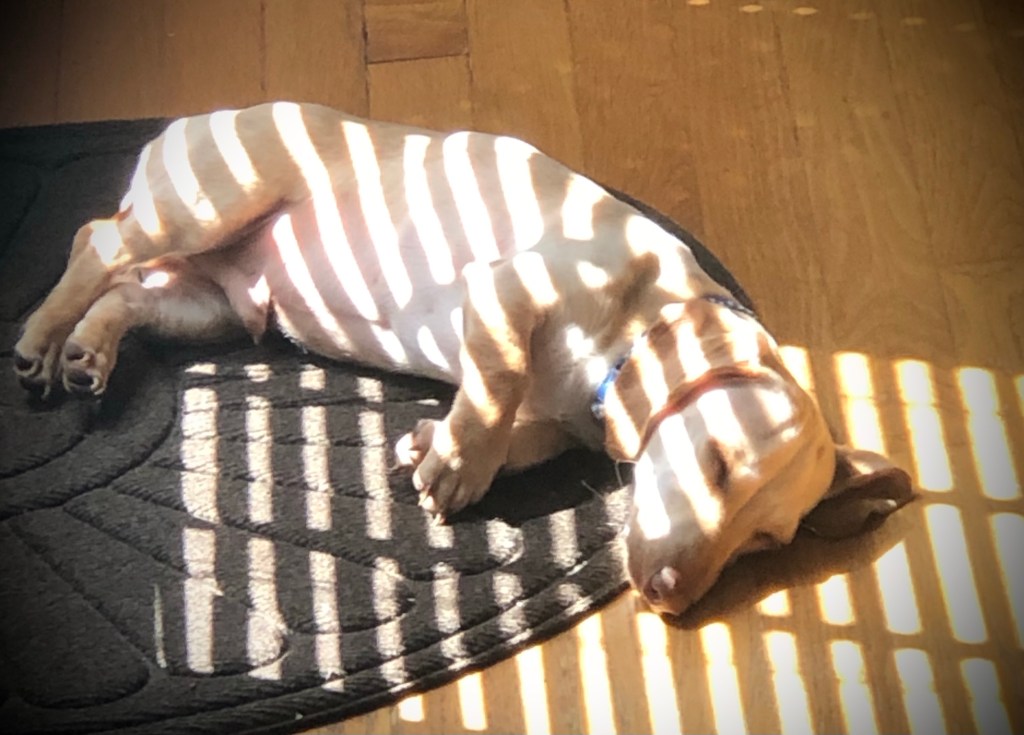
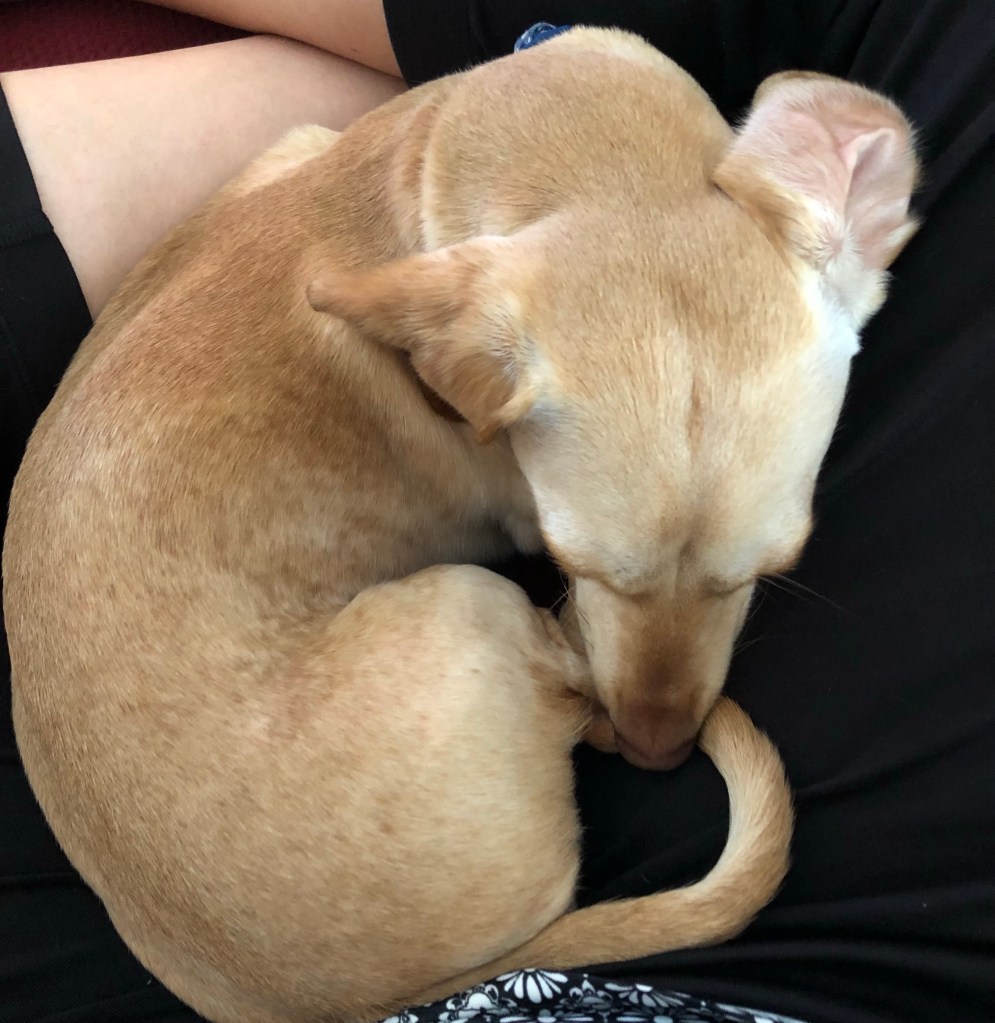
Here I have A Bad Case of Stripes!

Actually, not bad, surely just a very warm and cozy case of stripes!

Warm and cozy
sunny, dozy

just dream dream dream
but not of Camilla Cream

Hey! I AM CREAM!…but don’t call me Camilla!

Lastly, I am part of a wildly popular decorating craze!

No. 5: Best. Christmas. Decoration. EVER!

AmIrite? AmIrite?!

—yikes, that’s all I’ve got time for, I hear a car in the driveway, gotta go, gotta know…!
One last thing before I dash off:

I wish you happiness
I wish you joy
I wish you sun-striped dreams
And all your favorite things
And safety ’til this 2020 pox is past
And a dox upon your house, at last!

—Or, one in your lap, at least!

Thanks for stopping by and getting to know me! You can’t say your world isn’t a tiny bit brighter!

You’re welcome!

Bye now!

Y’all come back soon, hear?

*******

Dennis is a light in my family’s life for sure, sparking lots of laughter with his lively antics. He’s a one-year-old cream dachshund belonging to my youngest son, a musician and lifelong Beach Boys fan. We brought Dennis home as a tiny puppy (3 lbs.) last December. Here’s to all the dogs that brighten our days...thanks for (hopefully) savoring some silliness and wordplay here.

Thanks also to the amazing Poetry Friday poets and to Buffy Silverman for hosting the Roundup.

Inspiration comes on wings and paws

I saw her a couple of times across the convention center lobby. She wasn’t deliberately calling attention to herself. With her flowing blonde hair and elegant bearing, she couldn’t help standing out in a room full of people. 

I smiled at first glimpse of her: A service dog. 

And such a beautiful one.

I suppressed the urge to go over to her, knowing that service dogs are on duty. I briefly wondered if the man she accompanied had impaired vision or special medical needs and whether this throng of humans had the animal on heightened alert.

Instead I focused on my upcoming break-out session. For the second year, my colleague and I were sharing the effects of my school’s Harry Potter club with attendees of the North Carolina Reading Association. It’s a fun and meaningful presentation centering on the sense of identity that develops among diverse learners in third to fifth grades; many students find it such a place of belonging that they ask to be in the club semester after semester, even if we are reading the same stories and making the same crafts.

The best part is how excited teachers are to attend this session at the conference. Never underestimate the power of Potter . . . as my colleague and I set up the slideshow, the room filled quickly with participants and an air of festive expectancy.

Then—in strolled the service dog! Her person took a seat near the front (he wasn’t vision-impaired; he read the welcome slide and made eye contact in conversation with others). The dog immediately lay on the floor alongside his chair, flat on her side, utterly still. Her gleaming dark eyes gazed toward the front of the room.

What a gentle face. I looked back at those sweet eyes for a lingering second, my curiosity thoroughly piqued with regard to her service role, as my own role of presenter began.

—Here’s hoping you like Harry Potter, little canine friend. 

There she lay throughout, even at the conclusion when teachers came to the front of the room to select materials for making a craft like the club kids do: A clear ornament filled with strips cut from pages of an unsalvageable, falling-apart copy of Harry Potter and the Sorcerer’s Stone, a feather pen, a pencil broom, a flying key. 

The dog’s person chose to make a flying key. When I went to check on his progress, he introduced me to his canine companion:

“This is Palmer.”

Her big eyes considered me benignly.

“Hi, Palmer. You’re a beautiful dog!” I desperately wanted to stroke her lustrous yellow-white fur.  

“Want to see what she can do?” asked Palmer’s person.

“Sure!”

She does tricks, then? Do service dogs actually DO tricks?

I had no idea what to expect.

Couldn’t have predicted . . . .

Her person stood. Palmer instantly stood before him.  Her person produced cards with words on them. As he displayed them one by one, Palmer did exactly what the words on the cards said. Sit, lie, stand . . . her trainer—as that’s clearly what he was, now—even shuffled the cards behind his back, held them up again, and Palmer still enacted the word on each card. Accurately.

At this point the entire room was agog: “The dog’s reading the cards!”

Her trainer smiled. “Palmer helps kids at my school learn to read. Especially first graders with sight words.”

I blinked back a sudden welling of tears, envisioning the children with this dog in the classroom, the joy of it. “How wonderful.”

—”Want to take a picture with her?”

I recovered myself: “Oh—absolutely! I’d be honored!”

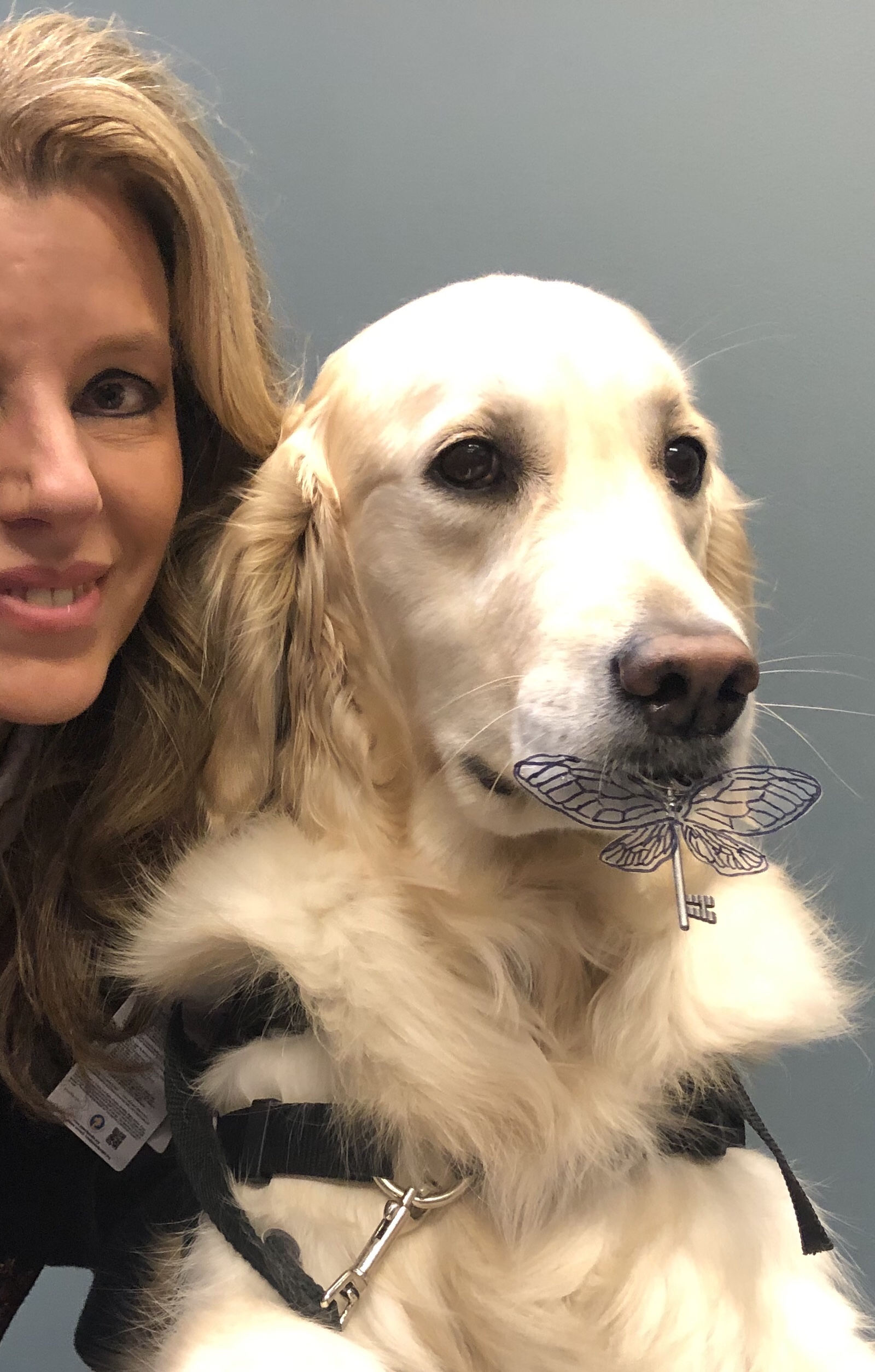
So Palmer posed beside me at a table, her paws resting on top. Her trainer held out his newly-made winged key: “Hold it, Palmer.” 

And she took it, ever so gently, in her mouth. She held it for all the photos.

Which, to me, holds great significance.

I always think of the winged key as a symbol for unlocking problematic doors in reaching an important goal, as it did in Harry Potter and the Sorcerer’s Stone. I think of it as a metaphor for inspiration, as in flying above and beyond learning obstacles, especially with regard to challenges that some of our Potter club kids have faced.

And here is Palmer, herself a symbol of meeting social-emotional needs, for I have since learned that she goes above and beyond motivating young children who are learning to read. She also helps children at her school attain their behavioral and academic goals. If they need extra encouragement while working on math, or the comfort of a warm, benevolent, stabilizing presence close by, Palmer is there for them. She is a key to overcoming whatever challenges they face. 

—I can think of few things more magical and inspiring. 

Palmer, Educational Assistance Dog.  April 2, 2019.


A healing presence

One of the kids in our Harry Potter club, a third grader, wanted to know:

“Mrs. Haley, if you could do any of the magic, what would it be?”

That’s an easy one.

“Healing,” I say.

The children think I mean “episkey,” the little mending of a broken nose or split lip (its name coming from Greek for ‘repair’).

But I mean the healing song.

The one without words, that puts the maimed, the mortally wounded, back together; the song that knits gaping wounds closed.

In the books, the strange song, invented by Professor Snape—perhaps the ultimate antihero—heals devastating physical wounds. They’re obvious; the injured people lie around bleeding profusely.

So many people walk around in the real world just as wounded, emotionally, spiritually, mentally.

Sometimes it is obvious.

Sometimes it is not.

I am not a magical character in a fantasy series nor a trained medical professional. I am no alchemist, apothecary, or angel. I cannot dispense healing.

But I write.

My words don’t grant healing, but maybe they can stir hope of it.

I can listen.

I don’t have a healing song, but I can have a hearing heart.

I can be still.

I can be a pocket of calm inside a world of clamor.

It’s not in my power to fix broken hearts, broken spirits, broken minds, broken families. If I could, I would have done so for many I’ve loved.

I can only be a presence, a voice, an encouragement to be strong in the broken places.

—Yes, healing.

—That is what I wish, children.

Image result for if you don't heal what cut you


Culture clash, of sorts

My new “place” in the school is a loft  above the media center that used to be the computer lab. Whenever I am at my desk checking email or jotting notes, I can hear the media specialist working with classes downstairs.

Last week, while typing away on my laptop, I was dimly aware of a lesson on Cinderella Around the World with second grade, until . . .

“Any questions?—Yes?” asks the media specialist. I can tell by the tone that a hand is in the air.

“Are you a Hufflepuff?”

—Giggles. My own. There’s a whole subculture of Harry Potter mania at our school in which I may have played a small, a very, very small, part . . . .

“Ugghhh, no!” retorts Ms. S., the media specialist. “Ahem, I mean, not that there’s anything wrong with Hufflepuffs . . . .”

—This dialogue!

Another small voice: “What are you, then?”

Clearly the question of Hogwarts house identity is of vital importance. Cinderella must wait until it’s answered.

Which it is, magnanimously.

“I’m a Ravenclaw,” announces Ms. S. “And so is . . . . ” She proceeds to name several of our teaching colleagues. I get a fleeting sense of actually being at Hogwarts, where everyone belongs to a house.  “But Mrs. K. is a Hufflepuff.”

And Mrs. Haley is a Gryffindor, I mentally add, still typing up in my loft, surrounded by Potter memorabilia that kids across grade levels love to peruse.

“What’s Mrs. L.?” one of the kids asks.

“A Slytherin,” says Ms. S.

A collective GASP! from the class.

“Well, there are lots of good Slytherins, you know,” says Ms. S.

I stop typing.

Social psychology with Harry Potter. Breaking stereotypes. That could be a whole unit in itself . . . imagine . . . .

Poor Cinderella. No one seems to mind that her world tour is utterly derailed, at least for the moment.

—I am just waiting for the kids to ask what house SHE’D be in.

Incapacitated

The initial predictions were utter destruction by an epic monster.

Having suffered extensive damage from hurricanes in years past, central North Carolina fortified itself against Florence. I collected a small mountain of dry goods and canned vegetables—”hurricane stash”—that probably could have fed my family of four for two weeks without electricity. Since we’re on a well, we don’t have water when the power goes out; I  even purchased powdered milk to mix with bottled water, for our cereal. Bottled water . . . that took several trips across three days. By 6:30 in the mornings, restocked grocery shelves were again picked clean. I finally scored a 36-count pack of Aquafina and turned to maneuver away from the throng in that aisle when a man, loading his own cart, said, “Here, you better take another.” He hefted a pack of water off the shelf and stacked it on top of the one in my cart. This gesture by a stranger stirred my heart.

At home, the dogs had plenty of food, we had batteries, all the laundry was done, one of the bathtubs was filled with water, the cars with gas. Our porch rocking chairs and the grill were secured in the shed. The television news ran nonstop. My family watched the slow, drawn-out approach of the monster, and although the sun was still shining, school was canceled in anticipation of the onslaught. My mind continually scrolled for every possible preparation. I even boiled the remainder of our eggs so they’d be usable if the power went out for days, as happened in the past.

I planned for everything.

Except my back going out.

It started on the day before Florence was to make landfall and grew steadily worse. I attributed it, at first, to the barometric pressure; I’d heard several people mention headaches and backaches. By the time the wind and rain arrived, however, the grip of pain was too intense for me to sit or walk anymore. Dosed with ibuprofen, I spent the duration of the storm — five days, all told— lying in bed with pillows under my knees.

Unable to do anything.

Except re-read the entire Harry Potter series.

Escapism at its best.

Different things strike me on each reading. This time, as the wind raged on the other side of the walls, as sideways rain whipped in voluminous sheets, slapping the windows with fury, as the encroaching darkness forced me to switch on my phone flashlight in order to see the words on the pages—Lumos!— I lay there contemplating the nobility of the characters, the way they banded together, helped one another, in the face of their own destructive, epic monster. How they found unrealized courage despite ever-increasing darkness. As I lay reading, immersed in Harry’s world,  I caught distant snatches of the news from my own: on the TV in the living room, where my husband and sons tracked Florence’s path, meteorologists warned people that if their houses flooded to not seek refuge in their attics, because there’s no exit. Rescue personnel are not equipped to cut through houses to save people. Meaning that it’s safer to climb on the roof of one’s house than to be trapped.

For a second, everything went still: How could I do that? If it flooded here—never say never—how could I possibly climb to the roof? I can’t even move!

And then I read the words of Mad-Eye Moody to Harry as Harry was about to compete in the Tri-Wizard Tournament: Play to your strengths. 

Harry doesn’t think he has any strengths—this is Book Four, he’s just fourteen —and he has no idea that the Tournament was designed solely to destroy him. Moody growls: Think now. What are you best at?

Lying flat on my back, at the mercy of my own body, helpless against the forces of nature, imagining a flood . . . what strength would I have, just now?

I thought of elderly people in this storm. Then of my Grannie, years ago, when her house caught fire in the dead of night on New Year’s Eve; how, after just having heart bypass surgery in the days when it was a new thing, she climbed out of her upstairs bedroom window onto the porch roof and survived.

Play to your strengths.

In Grannie’s case it was pure grit. As for me . . . well, a streak of that same determination and strong will (Grannie-grit) runs in my own veins, but I think my strength is rooted in something greater. If had to choose what’s deepest within me to tap, it’s hope.

I recently heard hope defined as not wishing, but knowing, trusting. No matter how severe the pain, I know I’d be able to climb to safety. Somehow. I trust my family would help me. Even in my weakened state, I’d find and give the last of my strength to help them, too. A strength that would come exactly when it was needed, not before.

On and on I read. Of Harry’s overcoming, of his concern for others, his willingness to give his own life in order to save them, even those he didn’t know personally . . . .

The darkness, the storms bring out the best in humanity, reminding us that we are, above all, here to help each other. Not to destroy.

—I will write about Severus Snape another day.

And storms, ever how violent, do not last forever.

It didn’t flood here, although our yard remained a bog for a while.

Now we have a plague of bloodthirsty mosquitoes to battle.

And my back pain has diminished, bit by bit, day by day. It remains a twinge, still causing me to be mindful. Strange thing, that. Being rendered powerless during the storm, unable to do anything but read. And endure.

But, in the end, powerless all depends on one’s own perspective. Reading is another great strength of mine, is it not? Didn’t it get me through the storm and the pain? That’s hardly powerless. Not to mention that in my tiny neighborhood, in the heart of a rural area where we frequently lose the power for no apparent reason at all . . . the lights blinked but never went out.

Just like hope.