Sparkles in the shards

If ever I were to write a spiritual journey memoir, I might begin with this, one of my earliest memories…

She tells me to sit here on the braided rug. She places a wheel of colors on the floor in front of the silver tree, decorated with red and blue glass ornaments.

Watch, she says. Watch. She plugs in the color wheel’s cord and switches off the overhead light.

We are plunged into darkness. I shiver. There’s a small click and suddenly the room is ablaze with amber light. The tree before me is no longer silver but gold, glittering as if lit with thousands of tiny candles. The color wheel hums. Gold gives way to green, red, blue. The tree deepens to shimmering emerald, glows like redhot fireplace embers, descends into sapphire glimmers bluer than flames of the gas stove burners.

Everything is transformed by the light. The ornaments on the tree go dark, throwing sparks in the colors that touch them. Over by Granddaddy’s black recliner, the ashtray on its thin pole makes a long, flickering shadow. Its curved brass handle, a little leaping ram, gleams like pure gold. The moving colors make the ram seem a living thing. The knotty pine walls watch it all with a hundred unblinking eyes. The polished wood organ, with legs curved like a deer’s, reflects the whole scene…and nothing is as radiant as my grandmother’s smiling face, bending down to mine

I can’t remember what she said, exactly, but her expression was one of joy. I would see it many times over in my life, most often connected with stories of my birth or upon seeing spotted fawns by the roadside or when receiving a gift from someone in the family. And always with snow and Christmas. She came into the world the day after Christmas of 1915 and left it the day before Christmas Eve, 2006. She never lost her childlike joy of the season.

This memory of her aluminum Christmas tree and color wheel is from the late 1960s, when my grandparents lived in an apartment near mine. Probably the Christmas I was three.

I did not know about separations then. Or loss. I did not know all that my grandmother had already suffered in her life, from deprivation to death. Neither of us could know the shatterings that lay ahead of us.

But in these shards of memory I see great love reflected. Something pure and bright despite the brokenness. My grandmother believed in Jesus and heaven. She tried to live it. She prayed, and even when her prayers seemed unanswered, even when she grappled with not understanding, her faith held fast. Try as it might, darkness could not overcome her bright spirit. It could not extinguish the flame of her inner joy. She sang hymns. She spoke of angels. She never would have thought of herself as a warrior angel, but she served as mine as long as she lived. She loved me fiercely.

God loves us fiercely. That is the story of Christmas. That is the song of the stars. That is the light I find reflecting in the sharpest shards of life. It is the holiness that remains in the unholy fragments. We catch glimmers of it. We desire this light, but then we want to bend it. We would color it our own way and to our own purposes. That’s the story of humankind. We want to be our own authority, not to submit, and then to play victim. Our vision of truth and justice is skewed. We want to judge without being judged. We don’t want to love everybody; we nurture our hatred of one another. We fail to see our self-worship and idolatry (except for when we deliberately choose it). We fall farther and farther away. We have lost direction and think we can find it on our own, despite the darkness of our hearts.

Yet…

I loved you at your darkest is my favorite paraphrase of Romans 5:8.

Thoughout life, iridescent sparks are sent to guide us beyond the brokenness. Like my grandmother and countless others who are imperfect but real conduits of God’s love, ever drawing us back to the awe and worship we were meant for.

Therein lies the real spiritual journey.

******

with thanks to my fellow Spiritual Journey Thursday witers and Jone Rush MacCulloch for hosting us in December.

Light and joy to you all on your journey.

Barefoot: a spiritual journey

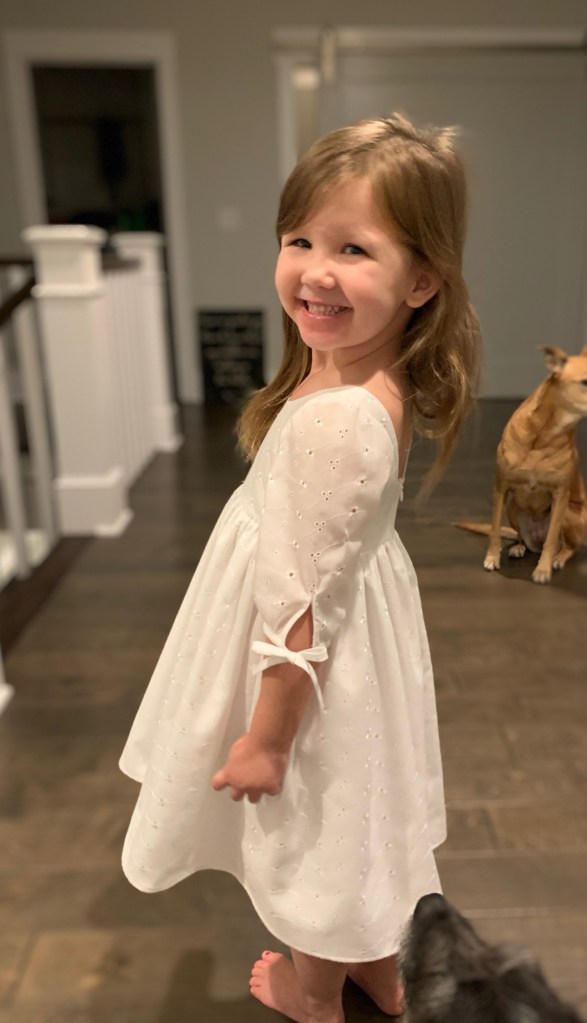
In my favorite photo of her, she is barefoot.

Smiling from ear to ear, wearing her handmade “wedding dress.”

She is three years old.

She came into our lives like a little angel of light in dark times descending.

My oldest son, like the prodigal, had returned home to find new direction for his life. He enrolled in seminary but resisted the call to preach. He met a young woman seeking the Lord’s guidance in rebuilding her own life…and her little girl’s.

Said my son to me, one starkly memorable morning: “I have been seeing someone.”

“Wonderful!” I replied. Noting his expression: “She must be special.”

“She is. I have something to tell you…”

Long pause. Entire lifetimes hang in the balance of such.

I braced myself.

“She has a little girl.”

I breathed. Didn’t even know I was holding my breath.

Things happen in everybody’s life. The whole of our stories is the overcoming.

I asked only one question: “Is this what you want?”

He nodded. A moment too great for words.

Finally he managed: “You always wanted a little girl.”

Lifelong desire of my heart, now granted.

In the ensuing months we nearly lost his father. My husband battled his way back from heart attacks, cardiac arrests, surgeries. A gray day-to-day existence, clinging to the Lord and the wisdom of the medical team…to this day, medical professionals read his reports and look at him with awe, the unspoken message in their eyes: How are you still here?

My husband survived to officiate our son’s wedding, for which the little “wedding dress” was made. Our girl stood by her Mama and new stepfather during the ceremony. Our boy made vows to them both: to be a loving husband and father, forever.

He also became a pastor. Like his dad.

The COVID pandemic came and went. A new little granddaughter was born. My husband suffered additional health setbacks. Every time he overcame to continue his life and his ministry. When despair threatened me, I wrote my way through it. When I was too weary to pray, I rested in the knowledge that the Spirit prayed on my behalf. When I felt alone, too weighted to move, and that I could go no further, a voiceless voice stirred my heart: You have little girls. You affect their now and their future.

It always, always pulled me through.

I think a lot about loss. How we humans fear it more than anything. How it feels like the end of the story.

It is not.

It is out of loss, out of human frailty and failings, that God does his mightiest work…we will not know all the answers in this life, but he is a seekable and findable God, if we are earnest. He is present with us; we must trust. At any given time we can see only the littlest fraction of his great picture, unless he allows us to see a bit more…

Back to my barefoot girl.

More than anything, we fear losing those we love. From the start she wrapped herself in and around my son’s heart…he so wanted to adopt her. He belonged to her and she to him, but not legally.

Until recently.

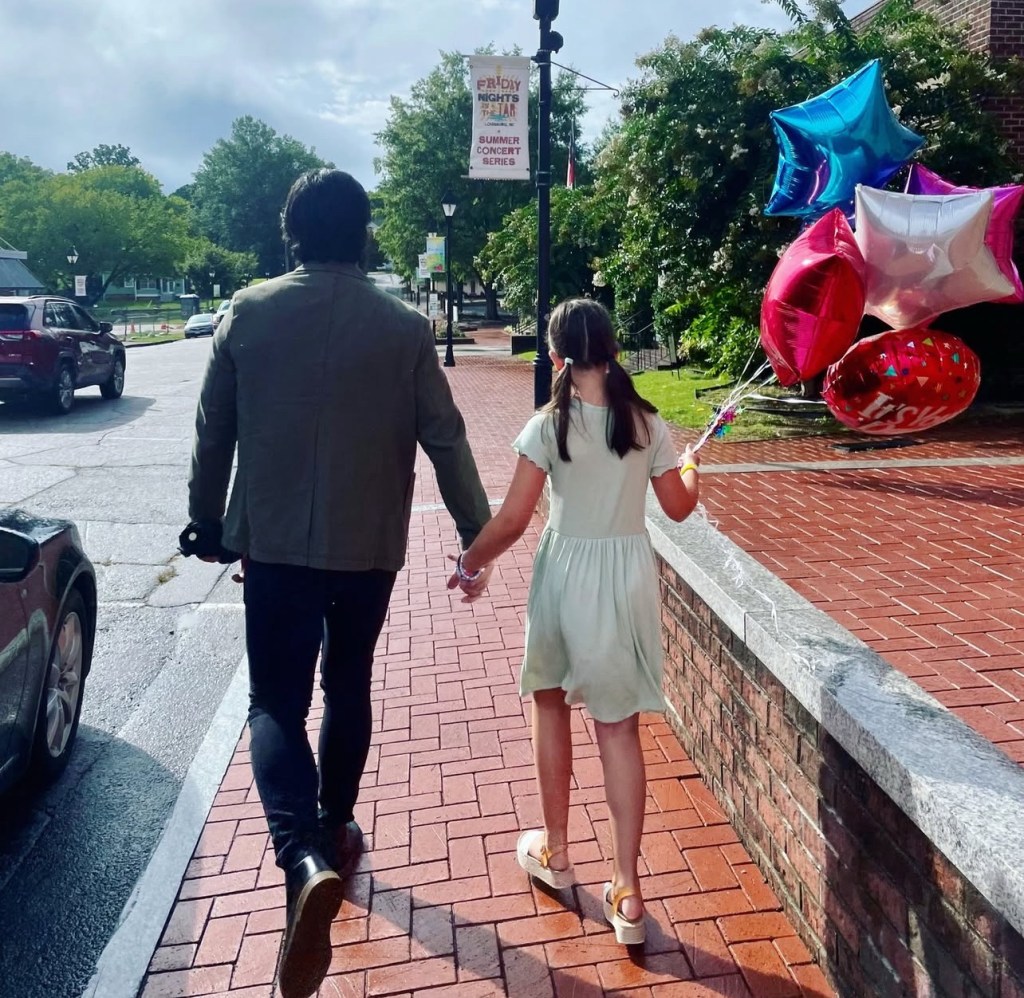
This summer our family celebrated the official adoption of our beautiful barefoot girl, now growing tall. On that day at the courthouse, she was a radiant as she was when she was three and so excited about the wedding.

I could quote Scriptures about being adopted children of God, about love triumphing over all and never ending, about the Lord telling his prophets to stand barefoot on holy ground. The verses swirl together in my mind.

What I know is that faith and love are holy ground, exemplified in face of my precious barefoot girl. The spiritual journey is lived moment by moment, knowing the sovereign Lord can bring—so often brings— holiness out of unholiness. Wholeness out of brokenness. That is the whole message of Christ and salvation; it is something we cannot do for ourselves. He is the God of redemption and restoration beyond our greatest imaginings.

My heart has learned to sing with the psalmist: Wait on the Lord; be of good courage, and He shall strengthen your heart; Wait, I say, on the Lord!

He will deliver.

So gloriously.

Ready for the wedding day

Adoption day, at last

*******

with special thanks to my fellow Spiritual Journey band of writers, and to Linda Mitchell for choosing the theme of “barefoot.” Linda: I’d been wanting to commemorate my granddaughter’s adoption. “Barefoot” gave me the perfect beginning place.

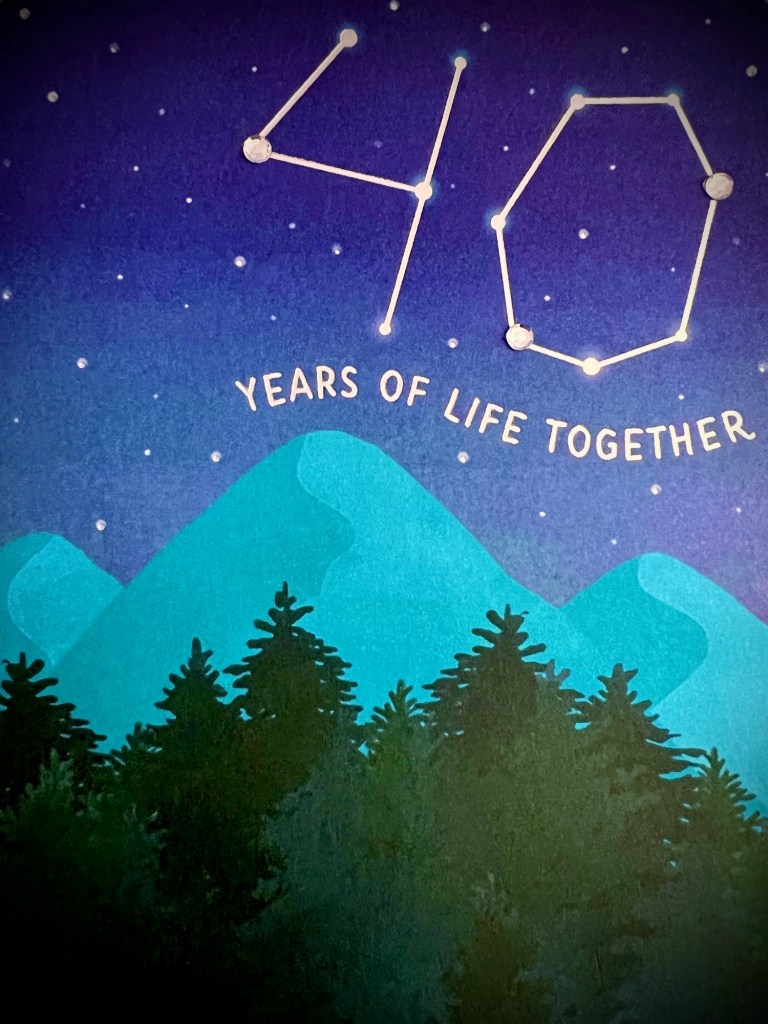
Anniversary (a spiritual journey)

Today I dug deep in the trunk and pulled out the album.

The cover is age-blemished. Pages yellowing. The cards are fragile, antiquated. The inked signatures, along with the love and best wishes, are fading.

On this day, forty years ago, my dress was ready and hanging on the closet door. My mother paid $130 for it and repaired the uneven hem. We’d found a cathedral bridal cap on the clearance rack, the price reduced because the pearl beading was coming off—she bought that, too, and restitched the tiny beads.

When Grandma offered to pay for the wedding cake, my mother wept.

My mother-in-law had new carpet installed in her home just prior to hosting the rehearsal dinner. She made spaghetti. A widow of eleven years, she’d given her engagement ring to her boy, to give to me. She cried on the morning of our wedding because it was raining, but the sun broke through the clouds in all its summer glory before the ceremony. The following spring, she would remarry.

My father asked a coworker, an amateur photographer, to take pictures. Our next-door neighbor, whose three kids my mother babysat for years, hosted my shower and provided the refreshments for the reception.

My grandmother asked her sister to stay with my grandfather, who was ailing and not up to traveling three hours in a car (cancer would make itself known and his bladder would be removed; he would live another fourteen years). Grandma was determined to be there. One of my most treasured photos from that day is of her seated on a pew alongside my Grannie and my mother, all of them smiling, wearing matching white carnation corsages.

My mother made the four ocean-blue bridesmaid’s dresses; my sister and new sister-in-law were radiant in them. Mom also made my sky blue going-away outfit and, at the last minute, removed her white beads and put them around my neck. The final photos in my wedding album are of her in her handmade pink dress, minus the beads, watching me leave, and my father standing in his black tails and striped ascot, grinning from ear to ear, a big cigar clenched in his teeth (congrats, Daddy; your eldest is safely handed off, not your responsibility anymore).

I was twenty years old.

I loved them all. I knew they loved me.

My family.

Forty years later, I remember them, despite the unraveling. The irreparable rifts. Death, loss, mental illness, addiction, estrangement, falling away… the story is surreal. Nightmarish. Like something from Picasso’s blue period with Van Gogh’s cypresses lurking in the foreground.

But on that bright day, we were together, celebrating. I read every faded, fragile card and my own handwritten record of the events. So much hope and joy, all there, preserved. For a few moments I linger in the vibrance, the whole wide circle of family love, everything that culminated in this new beginning. I remember my mother’s sacrifices especially.

And so the prologue ended. There are pangs, yes. Shatterings and shards in the heart. But the love is there. Still there. Despite all.

I poured my life into chapters that wrote themselves across the four subsequent decades, into the husband, the ministry, the children and now grandchildren, that God has granted me. As my husband said in the CICU to our oldest son, after regaining conscious from induced hypothermia, recovering from his first heart attack, cardiac arrest, and surgery: I have poured everything I have into you.

Duty. Sacrifice. For better, for worse, for richer, for poorer, in sickness and in health, to love and to cherish, until death do us part.

And so I made my vow, not only to a once-young man but to God, who loves with a steadfast love, from everlasting to everlasting.

Today my dress is ready and hanging on the closet door. Ivory with lace sleeves. Not new, but it’ll work. Tomorrow our family—our sons, daughters-in-law, granddaughters—will gather to celebrate this milestone with us.

I shall tell them, as best I can, that they’re infinitely more than what I dreamed of when I first set my satin-slippered foot on this path, forty years ago. Gifts beyond compare. Love multiplied, exponentially.

Straight from the hand of my Lord, who makes all things new.

I close my album.

with special thanks to the insightful band of Spiritual Journey writers and to this month’s host, Leigh Anne Eck, who chose the topic of “family.”

Shell we paint?

As the school year dwindled to a close, when bodies and souls were most tired, and brains and nerves most frazzled, our art teacher offered a little art therapy to staff.

She’d gathered oyster shells from the Rappahannock River (in my native state of Virginia) and bleached them until they were snowy-clean. She explained some of the barnacle-like formations on the shells: “These are where baby oysters landed and began growing.”

In that moment, I thought: All things connect. Art is biology. Biology is art. Always creating.

Once we selected shells, we chose napkins from our art teacher’s collection, bins upon bins of them, a ponderous assortment for which she was almost apologetic. The napkins were decorated with patterns of all kinds: birds, flowers, sea life, geometric shapes, and so forth. The point was to find something on a napkin that we liked and that would fit on the shell.

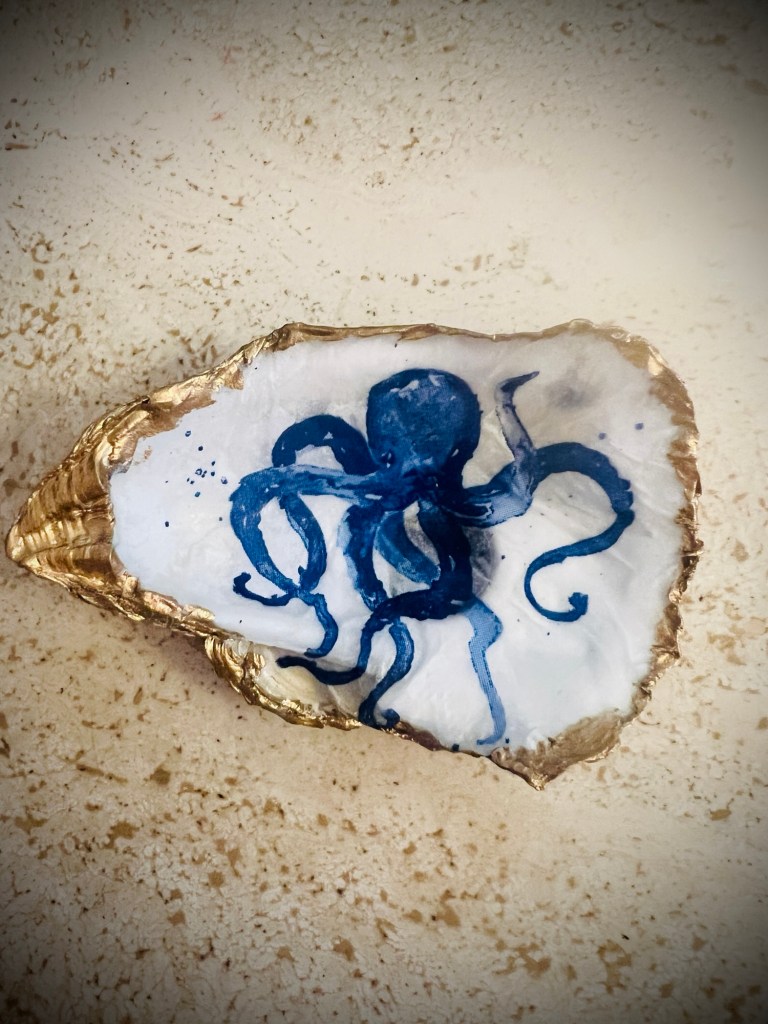
I chose a nautical napkin. Perhaps my subconscious wanted to stick with a theme; this was going on a shell, right? Plus, there was an octopus, a creature which captivates me. Normally I’d have searched for a seahorse. I love all the symbolism of the hippocampus in the sea correlating to the hippocampus in the brain (aside: I wrote a poem about hummingbirds yesterday and for the record, their hippocampus is significantly larger for their size, compared to other birds. Has a lot to do with their phenomenal spatial memory). But here was this blue octopus on the napkin, calling to me, with its arms (not “tentacles”) swirling all about it. Would it fit on the shell?

Following the teacher’s directions, I tore the napkin carefully, until the octopus was free. Yes—it would just fit! With a brush dabbed in Modge Podge, I attached the octopus to its new habitat, the interior of the shell. I left it awhile to dry and came back to paint the edges in gold – 14K gold, which my sweet friend the art teacher voluntarily dug out of her supplies for me.

“It’s so beautiful!” she said, eyes aglow.

“I love how the octopus arms drape over the sides of the shell,” I said.

“That,” said my art teacher friend, knowingly, “is the poetry of it.”

In that moment… I was awed.

Art is poetry. Poetry is art. Biology is life. Life…is poetry.

It all flows together, on and on, like the sea itself, does it not.

A prayer-ku:

open up my life
open up my arms, my shell
paint them with Your peace

*****

with thanks to Two Writing Teachers for the Tuesday Slice of Life Challenge
and to all the artists
and poets
who so enrich my life

Silky string: a memory

For Ethical ELA’s Open Write today, host Jennifer Guyor Jowett states this purpose: “We are going to tug at your memories, perhaps even look for a way to express that which is hidden.”

Jennifer goes on to share how Emma Parker, a textile and mixed-media artist from the UK, inspired her own poem: Emma Parker’s themes are “often around the broken, the abandoned, and the forgotten.” She explains that thread and cloth hold the metaphors of mending, repairing, and connecting and becomes interested in the stories the materials hold and who has touched them before.

Before I could even finish reading the rest of Jennifer’s intro and prompt, my mind was spiraling in countless directions. First, writing about memories. My favorite kind of writing. Second, themes of “the broken, abandoned, forgotten.” So much to say about that. Then the whole bit about fabric and cloth, mending and repairing… my mother was a seamstress. An image from my earliest days immediately came to mind for a poem, but the ideas do not stop there, no, not at all.

To be honest, I’ve spent much time thinking on the broken parts of life and generations of brokenness. Some people overcome while others are never able. So many stories in my own family and in my husband’s. I keep picking up the pieces in my mind, marveling at the incredible beauty of some, mourning over the ones beyond repair. Someday, someday…I will see what written mosaic I can make of these. Perhaps.

But for now, a poem with the first image that came to mind:

Silky String

Who
gave me
the blanket
trimmed with satin?
Someone receiving
a new baby to hold.
Did this someone ever know
that my sweet blanket, white as snow,
would become my babyhood lifeline
even as it all disintegrated?

-the blanket, that is, from too much loving.
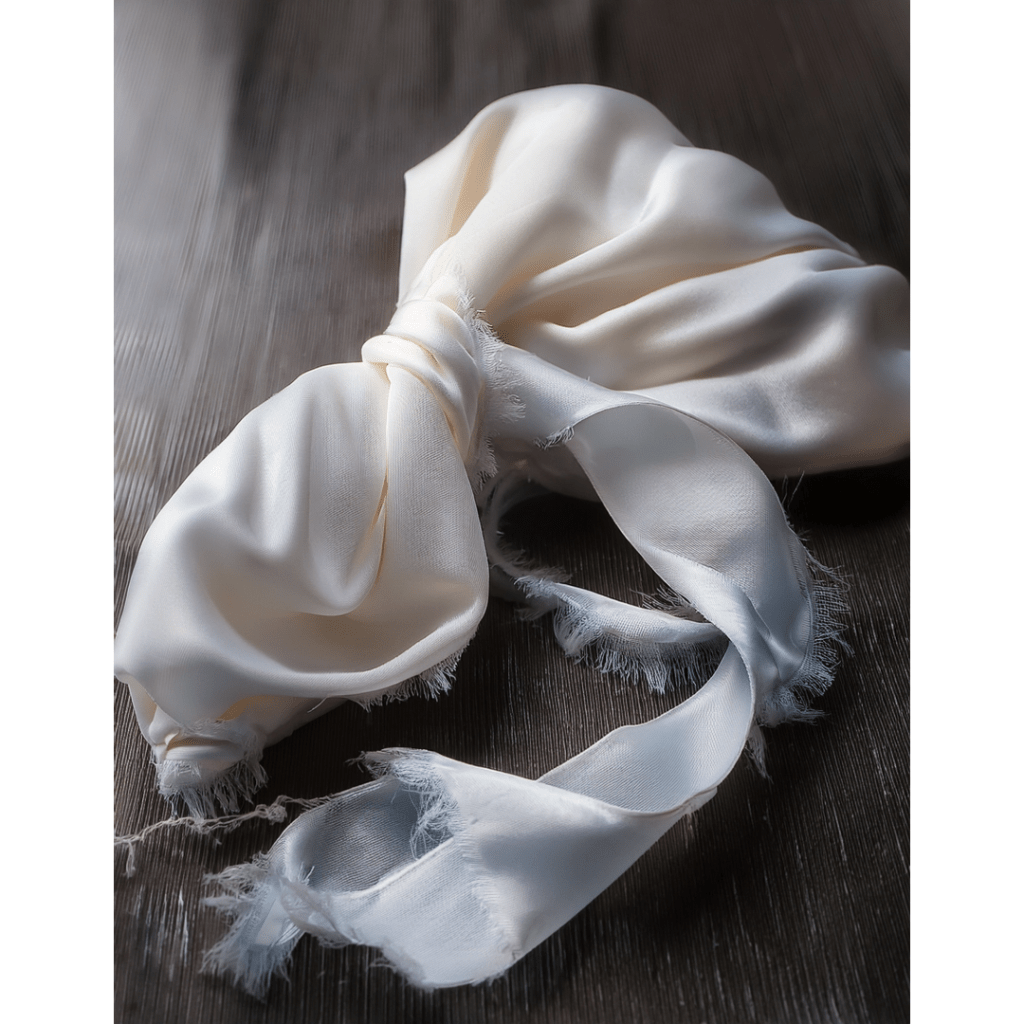
Over time the satin pulled away
and someone (who?) tied it in knots
to keep it from being lost.
Priceless, my silky string,
for rubbing across
my nose, thumb in
mouth…soothing
me to
sleep.

Note: I didn’t plan to write a double (or reverse) etheree. After the first two lines, the form took charge. Jennifer, the Open Write host, called it “an in and out etheree,” like a blanket unfolding and fading away.

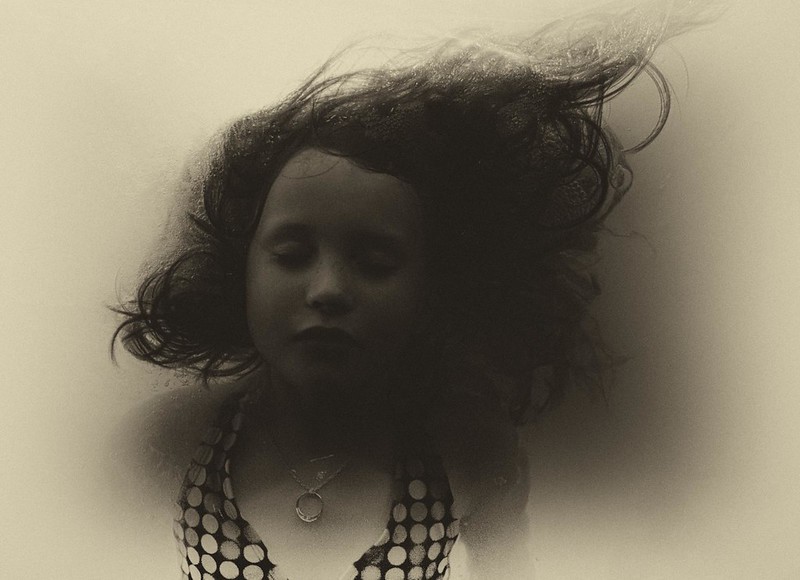
AI-generated image. Took a few tries to get this. Some of the results were haunting. But so is reality, sometimes.

Hallucinations

In a conversation with a volunteer reader at my school yesterday, the topic of AI came up:

“Have you heard about AI hallucinations?” she asked.

“No, I haven’t,” I confessed. “I’ve only noticed that in Google searches, the AI overview sometimes carries the disclaimer that ‘AI is experimental.'”

The volunteer, a lawyer, went on share examples of these “hallucinations,” false and misleading information caused, in short, by systems’ inability to interpret data correctly. A marathon runner on the West Coast looking for the “nearest race” was told Philadelphia. Medical information backed by completely fabricated references. “It’s estimated that AI is accurate around 75% of the time,” said the volunteer.

“That’s not such a great stat,” I replied.

“No, it’s not,” she went on, “especially for companies that are all about using AI to create informational documents to share with the public.”

I knew, while she was still speaking, that I’d do a little reading on the topic. I found the experiment of asking ChatGTP about the world record for crossing the English Channel entirely on foot producing a very confident-sound response, including a person’s name and a date. I learned that researchers testing AI’s accuracy by feeding it nonexistent pheneomena got back impressive but completely false responses, so believable that researchers then had to do their own research (i.,e., the old-timey way) to verify the inaccuracy. Professor Ethan Mollick of Wharton, a leading researcher studying the effects of artificial intelligence on work, entrepreneurship, and education, has called ChatGPT an “omniscient, eager-to-please intern who sometimes lies to you.” I also learned that some chatbots have had to be shut down for spewing racist ideology (my unscientific understanding: it pulled this out of what it was programmed to draw from). Perhaps most haunting: When some researchers push back on AI, or “call it out” for its falsehoods, it insists its information is right, creating further falsehoods to prove it.

Sounds like some people I know.

Heaven knows I haven’t time or energy to go into all that…

In summation: Life itself is experimental.

Filter wisely.

“An Ornament of an Hallucination.” William O’Brien. CC BY-NC-SA.

*******

Sources:

The Hilarious and Horrifying Hallucinations of AI” – (a word of caution against the comparison to schizophrenia)
Hallucination (artificial intelligence) – Wikipedia
Ethan Mollick profile, Wharton School, University of Pennsylvania

my thanks to Two Writing Teachers for the weekly Slice of Life Story Challenge… a writing community in which we learn from and support one another.

Finding a safe harbor poem

National Poetry Month continues, and while I have been writing a poem each day in April, I have not posted them all here on the blog.

Today I return to post about “safe harbors.”

Yesterday for VerseLove at Ethical ELA, poet Padma Venkatraman offered this prompt along with her own beautiful work as an example: “Think about a place that feels like a safe harbor to you – and bring that space alive in a poem.”

Ah. I knew exactly what to write about…

Haven

I should convert
one of the boys’
old bedrooms
to a study
where I can write
with fewer
interruptions

but here
at the kitchen table
is my place

here
there are windows
all around

I open the blinds
while it is yet dark

inviting the light
before its return

bringing with it, birds
rippling with song
praise for the morning
and the new day

these colorful
feathered visitors
peer in my windows
from time to time
like curious, bright-eyed
Muses

—yes, I am here
—yes, I see you, too

and sometimes
when my husband
turns on the TV
in the living room
I grow weary
of the news
and sports

but when
he goes away
he leaves music playing
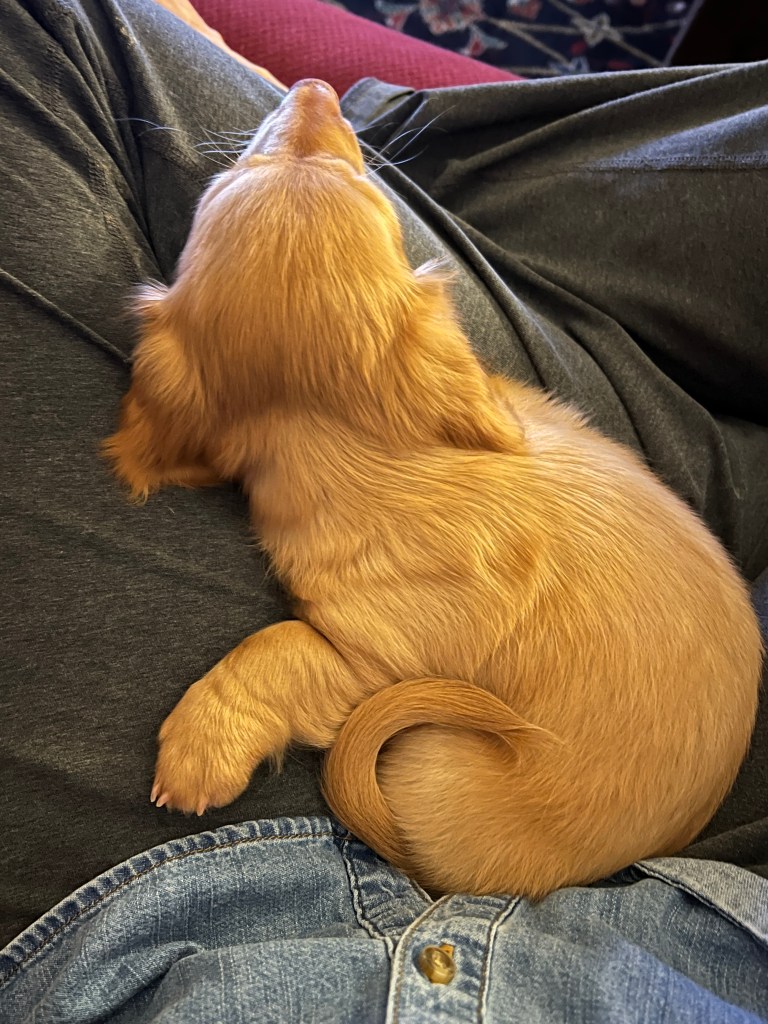
for the puppy

playing under my chair
little ball of golden fluff
having dragged every toy
he owns
to my feet

where he whimpers
just now
to be held

and so I pick him up

he curls in my lap
while I write
to the background song
a’rippling:

If my words did glow
with the gold of sunshine…

yeah, the Grateful Dead…

here in my place
my beloved space

I write

ever grateful, alive.

******

Lyrics: “Ripple,” Robert Hunter/Jerome Garcia, 1970.

My Jesse

with thanks also to Two Writing Teachers for the Tuesday Slice of Life Story Challenge

Versegathering

April is National Poetry Month, and today on Ethical ELA, VerseLove begins. Jennifer Guyor Jowett kicks off the daily poetry-writing with this invitation:

As poets, we are noticers of words and verses. They catch our attention. They resonate. They allow us to breathe. They sing in a world stuck in B flat…Find verses that you love, that speak to you. Collect them in a pile or a list. Shuffle them into a new poem. 

A poem of completely borrowed lines is known as a “cento,'” Latin for “patchwork.”

Here’s my collection:

Lightgathering

A certain light does a certain thing
as the bird wings and sings.
I saw color and I saw a story. I saw a face
and I knew a lifetime
as each separate dying ember wrought its ghost
upon the floor.

Come to me…the light is fading;
don’t you see the evening star appearing?
Enough of pointing to the world,
weary and desperate.
Love that well which thou must leave ere long
for love is as strong as death.

*******

  1. Ada Limón, “The End of Poetry”
  2. Robert Browning, “Rabbi Ben Ezra”
  3. Ntozake Shange, Riding the Moon in Texas: Word Paintings
  4. Edgar Allan Poe, “The Raven”
  5. Lyrics, ”Fantine’s Death,” Les Misérables, Hathaway & Jackman
  6. Ada Limón, “The End of Poetry”
  7. Shakespeare, Sonnet 73
  8. Song of Solomon 8:6

*******

with thanks also, and again, to Two Writing Teachers…today is Slice of Life Tuesday,
right on the heels of the March Slice of Life Story Challenge!

Remedy

another little slice of memoir

*******

Once upon a long, long time ago, I boarded a ferry with my dad and grandmother to visit her sister, my great-aunt Nona.

She lived so deep in the countryside that it felt otherworldly. An old, old place. Old unpainted house, old separate kitchen joined to it by an old porch, old outbuildings…old outhouse. The memory has lost much of its detail now, like an aged sepia photograph, fading and fragile.

What remains are the bright sunshine and the green, green grass where I ran and played while the grown-ups talked and laughed on the porch. They were having a great visit…until I ran through a clover patch and fiery pain seared my ankle.

Bumblebee sting. I collapsed in the clover, screaming.

The grown-ups leapt off the porch in a single bound.

I can’t remember Grandma’s reaction. She was typically soothing: I know it hurts, honey. I am sorry.

I can’t remember Daddy’s reaction. He was typically irritated: All right, calm down! Stop making such a racket.

But I remember Aunt Nona’s reaction.

Sweet-faced, graying black hair pulled into a bun, silver cat-eye glasses…she said to my father:

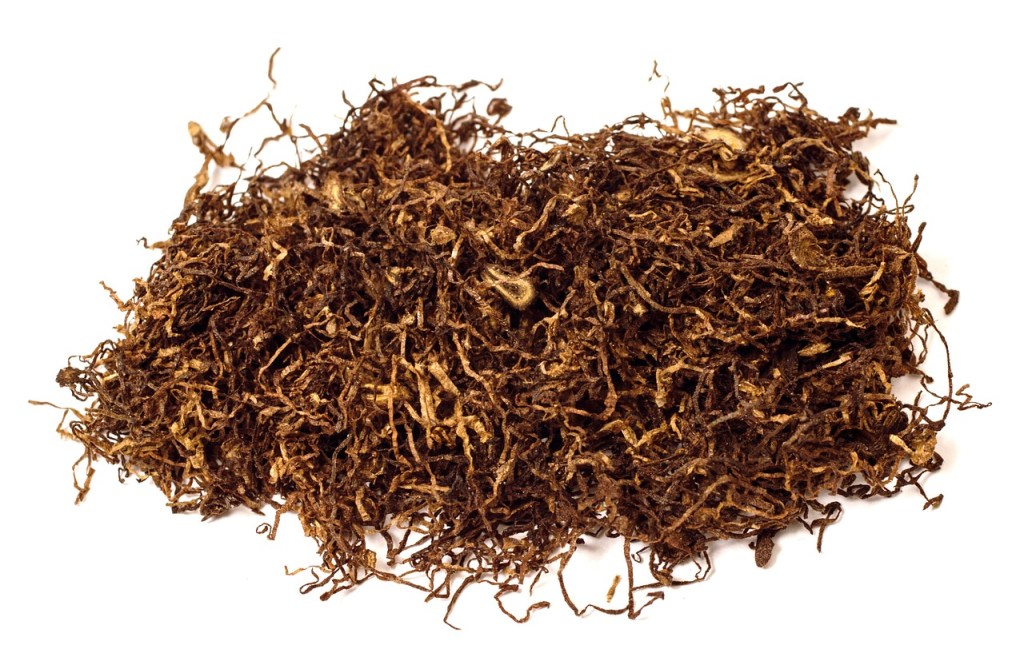
“Give me one of your cigarettes.”

He did.

She peeled the paper back, put the tobacco in her mouth, made a paste, and dabbed it on my ankle.

“That’ll take the pain away,” she said.

As for me (weird kid that I was), the sight of the wet brown clump on my ankle was nearly as horrifying as the sting. Now I sobbed and screamed.

Sometimes I question the details of this memory: Was that really a cigarette she chewed, or snuff? It was so long ago…but cigarette is what I remember.

And I remember my gentle Aunt Nona, kindest of souls, bearer of wisdom from the old days, the old ways, a humble woman who played piano by ear and composed her own hymns. She lived to be 101.

All these ages and ages hence, I marvel at her tobacco remedy and resourcefulness.

Just a little leaf of memory, now pressed and preserved here, before time finishes burning it away.

Image by jan mesaros from Pixabay

*******

with thanks to Two Writing Teachers for the March Slice of Life Story Challenge

The wound in the wood

A little slice of memoir

*******

I was five when my dad bought the house where I grew up.

There were good things about the house. A Big Bathroom and a Little Bathroom. Having two seemed luxurious to me, a child accustomed to apartments. Cloud-like swirls on the ceiling that my mother said were made by twisting a broom in the plaster while it was wet. A huge picture window in the living room, through which I could see a very tall tree behind the neighbors’ house. To me, the tiptop of the trunk appeared to be a lady sitting and gazing across the earth like some kind of woodland princess. Day in and day out, she sat there atop of her tall tree-throne, a regal silhouette, never moving.

There were things I didn’t like about the house. The red switch plate on the utility room wall that my father said to never ever touch. I believed that if anyone touched this switch, the furnace would explode and blow us all to smithereens. Even after I outgrew my terror, I steered well clear of that red plate. I didn’t like the thick gray accordion doors on the bedroom and hall closets. Bulky, cumbersome, and stiff, they didn’t really fold. They came off their tracks easily. These hateful doors eventually disappeared; one by one, they were discarded. Our closets were just open places.

The linen closet stood directly across from my bedroom door in the narrow hall leading to the Big Bathroom.

It wasn’t a true closet, just a recessed place with wooden shelves. I don’t remember an accordion door ever being there.

What I do remember is that one of those linen closet shelves had a terrible gash along its edge.

It looked like a raw wound that might start oozing at any moment. A gaping slit. When I pored over pictures of how to do an appendectomy in my parents’ set of medical encyclopedias (and why did we have these—? An exceptionally persuasive door-to-door salesman—?) the pulled-back human flesh and tissue made me think of the wound in the linen closet shelf.

This shiny-pink raw place bothered me. It was ugly. Almost…embarrassing. Something that shouldn’t be seen, shouldn’t be exposed…why had the builders done this? Couldn’t they have turned the shelf around so the wound wouldn’t show? It was an affront to me as a child, before I knew what taking affront meant.

I know now that the flaw is a bark-encased scar. The shelf came from a tree (maple?) that was injured, somehow. Maybe by a cut or fire. An online search produces this AI-generated explanation:

The tree’s cambium layer, which is responsible for producing new bark and wood, starts to grow new cells around the wound, forming a protective layer of tissue called callus. 

As the tree continues to grow, the callus tissue can expand and eventually cover the original wound, creating a scar that is encased within the new bark.

In short: The scar is evidence that the tree worked to prevent inner decay and heal itself after being wounded, and that it went on living for a good while before it ended up as the shelf holding our towels and washcloths beside the Big Bathroom.

I never touched that raw-looking wound in the wood. I averted my eyes from it, even hated it for existing.

Now, when I return in my mind to the rooms and halls of my childhood home, they are always empty, and that old scar in the shelf is the thing I want most to see.

How strange.

Maybe I am drawn to it out of kinship. I do not know the story of the tree’s life, only that this remnant is testimony to its suffering and ability to overcome. I could liken the scar to the ways adults damage children, having been damaged as children. I could see it as a symbol for my mother, whose early wounds festered long, the extent of which would eventually be revealed in addiction.

That’s the real red switch, for it blew us all apart.

Maybe I just want to place my fingers on the old raw place at last, tenderly, in benediction. I would say that I understand now about layers of callus tissue expanding, covering, and absorbing the deepest of cuts over a long, long time…it is always there, but it hurts no more, and I am no longer ashamed to see it or to let it be seen.

In the shelf or in myself.

Image by Wolfgang Eckert from Pixabay

*******
with thanks to Two Writing Teachers for the March Slice of Life Story Challenge