Sweeping summer storm
erases the sky
Evening draws
her pink silken bed curtains
with a sigh

View from my front porch last night, after the storm
Sweeping summer storm
erases the sky
Evening draws
her pink silken bed curtains
with a sigh
View from my front porch last night, after the storm
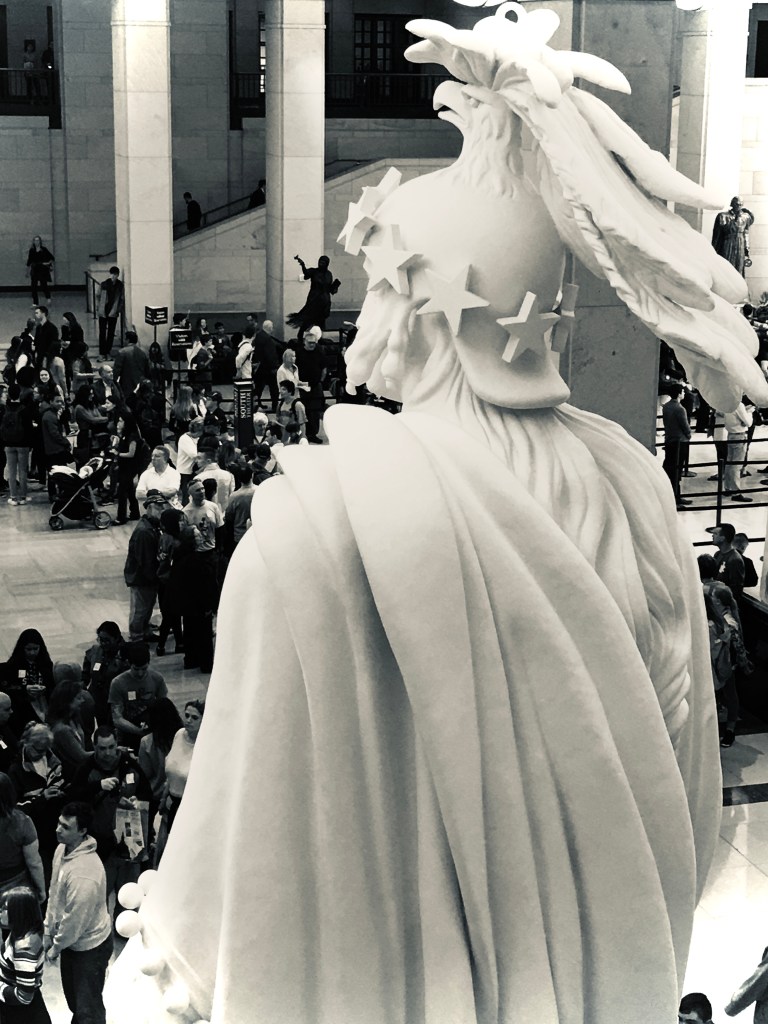
Freedom is
a curious thing
trailing feathers
of eagles’ wings
mightier than
any earthly king
who may forget
she stands to bring
from her holy nature
a healing wellspring
to human hearts
if only they cling
to wisdom, to peace
—of these, let us sing
in a state of unity
let Freedom ring.
*******
I photographed the Statue of Freedom in March 2018. She stands in the Capitol Visitor Center’s Emancipation Hall. This plaster version was the model for the bronze one atop the Capitol dome. Like a mythological warrior queen, she wears a helmet, bearing stars and the head of an eagle. While the eagle’s power and fierce majesty have led governments, empires, and regimes throughout history to adopt it as a symbol, it’s those long eagle feathers that captivate me. To Native Americans, they represent sacredness and healing. Think on that symbolism awhile.
As an American on this Independence Day, freedom to heal, not harm, is my prayer.
a dachshund haiku
sunny patch on rug
bone bone bone bone bone bone bone
leave me to my bliss

Dennis in his bliss
with thanks to Margaret Simon for her photo, inspiring “This Photo Wants to Be a Poem” at Reflections on the Teche.
In the forest
stands a tree
bearing a heart
for all to see
how is it so
how can it be
this symbol of love
here on this tree?
When it was young
perhaps it was scarred
some long-ago night
black sky starred
when a bolt of lightning
struck young lovers
there pledging their troth
forsaking all others…
Some things, it seems,
are not meant to be
star-crossed lovers
found dead by the tree
their initials not carved
but their love still marked
by this bounced-lightning
scar in the bark
where life comes anew
with every rain, in turn
see, within the tree-heart
a resurrection fern
took root, where it dies
in the heart of the tree
yet like hope, like love,
returns alive, eternally.
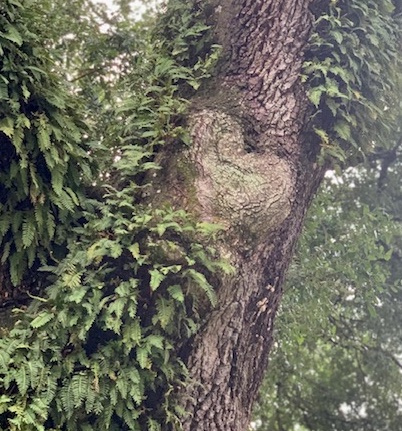
Which is more compelling, the tree-heart or the resurrection fern within it?
Thanks again to Margaret for sharing her photo.
For the record, I like this explanation of the resurrection fern (Polypodium polypodioides) from the North Carolina Extension Gardener Plant Toolbox:
“The Resurrection Fern is an evergreen fern that is typically found growing on trees (especially leaning tree trunks and Live Oak trees), fallen logs, stumps, ledges, and rocks. It will also grow on fence posts and buildings. Some of its host plants are live oak, elm, magnolia, and cypress. it is considered an epiphytic plant, which is a plant that grows on another plant and dependent on that plant for support but not nutrition. An Epiphytic plant gets moisture and nutrients from the air or from small pools of water that collect on the host plant. It is also epipetric, meaning that it can also grow on rock.
It is a difficult plant to get established. During dry periods it appears to die but regains normal appearance with rain.“
When you are six
and visiting your Franna
you always check the candy dish
today you would find
miniature Reese’s Cups
and when you are tired
of playing Connect Four
you and your Franna
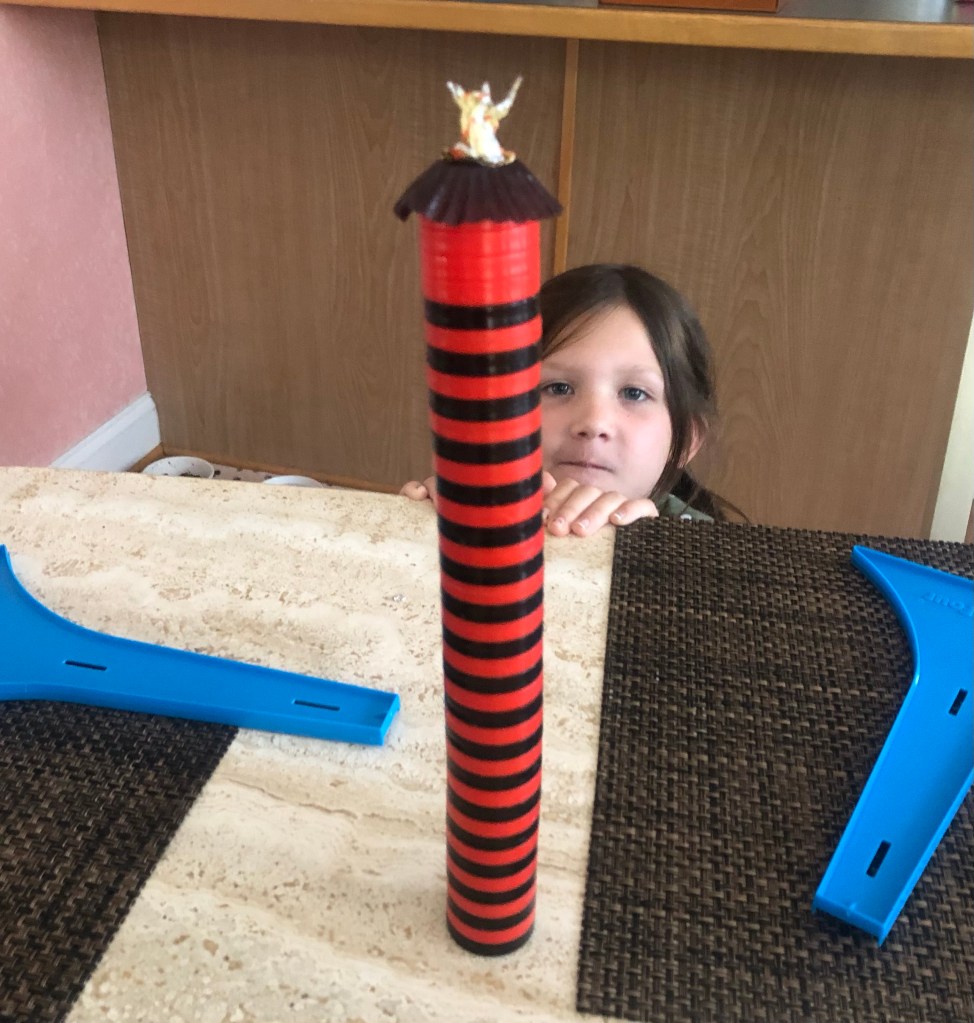
might build a tower
out of the checkers
in an ABABAB pattern
and you might fashion
a tiny crown
out of the gold Reese’s foil
and turn the licked-clean
ridged brown candy paper
into hair
that you place on top
of the checker tower
The Tall Queen,
you would say,
just as she falls
and splatters her checker parts
across the table
The Tall Queen
has fallen in battle!
you would exclaim
(methinks that may
be the influence
of your reading
Narnia books)
but at any rate,
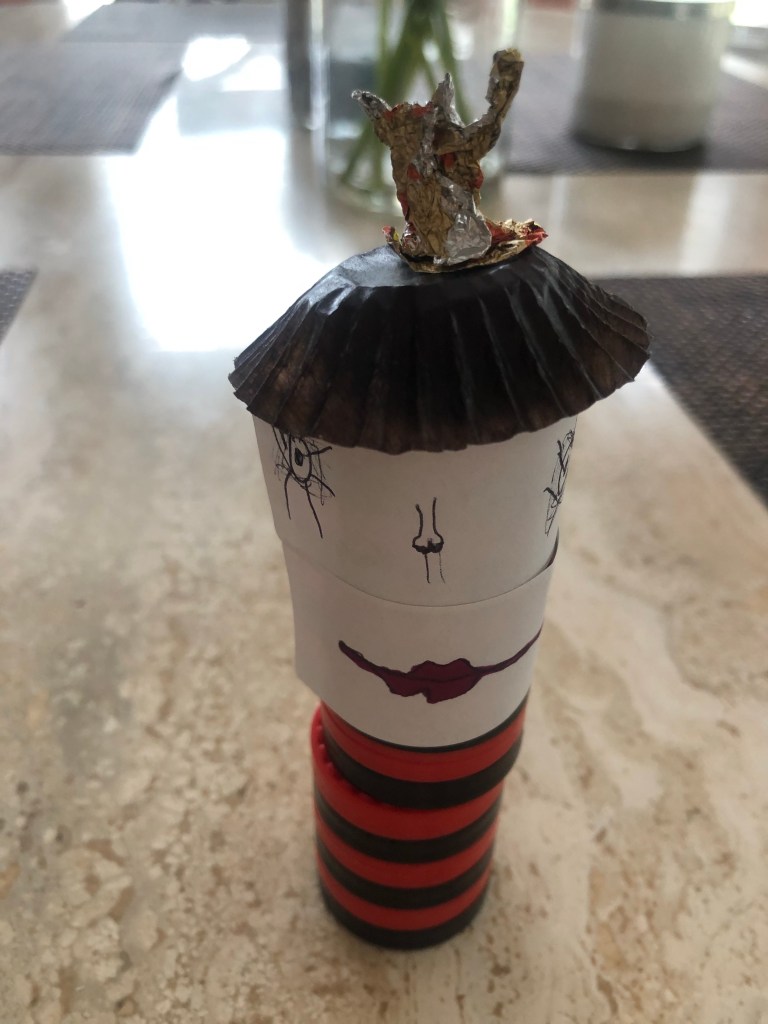
a Shorter Queen seems to do
especially when you ask your Franna
for eyes and a mouth
and she gives you labels
and pens
so you can make them yourself
and in answer to your question:
No, I do not think her crown looks
too much like a Viking hat
although surely the Vikings
had queens,
just saying
(to me she looks like she stepped
right out of Wonderland)
but above all
I think the whole moral
of the story here
is that everything which enters
your realm
when you are six
has a purpose
and is
never wasted
with thanks to Margaret Simon for her photo, inspiring “This Photo Wants to Be a Poem” at Reflections on the Teche.
The mimosa tree was a frequent, ethereal sight in the southern summers of my childhood.
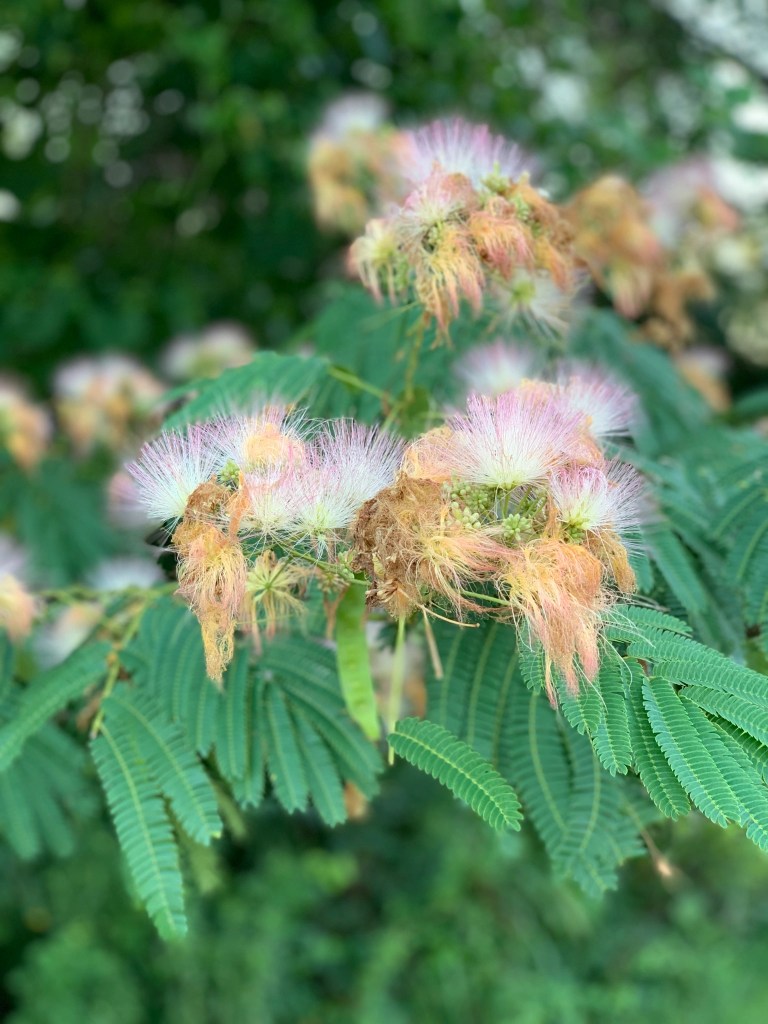
In backlit childhood memory
grows an enchanting peach-fuzz tree
waving its handlike fronds at me
fairies beckoning merrily
Today I have the pleasure of hosting the final day of the June Open Write at Ethical ELA.
I shared syllabic verse:
My youngest son is a musician. When he was four or five he’d stand at a whiteboard easel making tally marks as he listened to cassettes of his favorite songs. When I asked what he was doing, he replied: “Counting the syllables.”
He meant beats.
Like heartbeats, rhythms of life surround us. Let us listen and take note. Moments and words count…down to the last syllable. Last year I attended a workshop led by a poet who said: “Experiment with the rhythms of your voice. Find a syllable count that’s natural for you.”
Perhaps there’s a line of unwritten poetry playing in your mind, waiting for its moment. Now’s the time. Count the syllables. Maybe it’s five, eight, or iambic pentameter. Or simply begin by crafting a line that relates to something important to you (listen for it in the beatings of your heart) and count the syllables.
Once you know the count, try writing the remainder of your lines with the same number of syllables. See where the beats take you.
Maybe play with more sound by incorporating internal rhyme, alliteration, and so on.
My poem, sparked by the words of a teacher during a memorable job interview, came out in lines of five syllables.
All in for the Kids
In the interview
the candidate said
we don’t get credit
for all we’ve endured
on behalf of kids
in these past two years
and apologized
for the sudden tears
surfacing from depths
immeasurable
a soul subjected
to intense pressure
somehow withstanding
high temperatures
beyond description
the weight of the world
in every teardrop
salt-worth far beyond
the rarest diamond
culminating crown
of love resounding
courage rebounding
in five wondrous words:
“I still want to teach”
*******
As the day progresses, I am savoring the poetry being posted over on Ethical ELA.
Every bit of it counts. In the end, I think that’s the poet’s job…showing just how much.
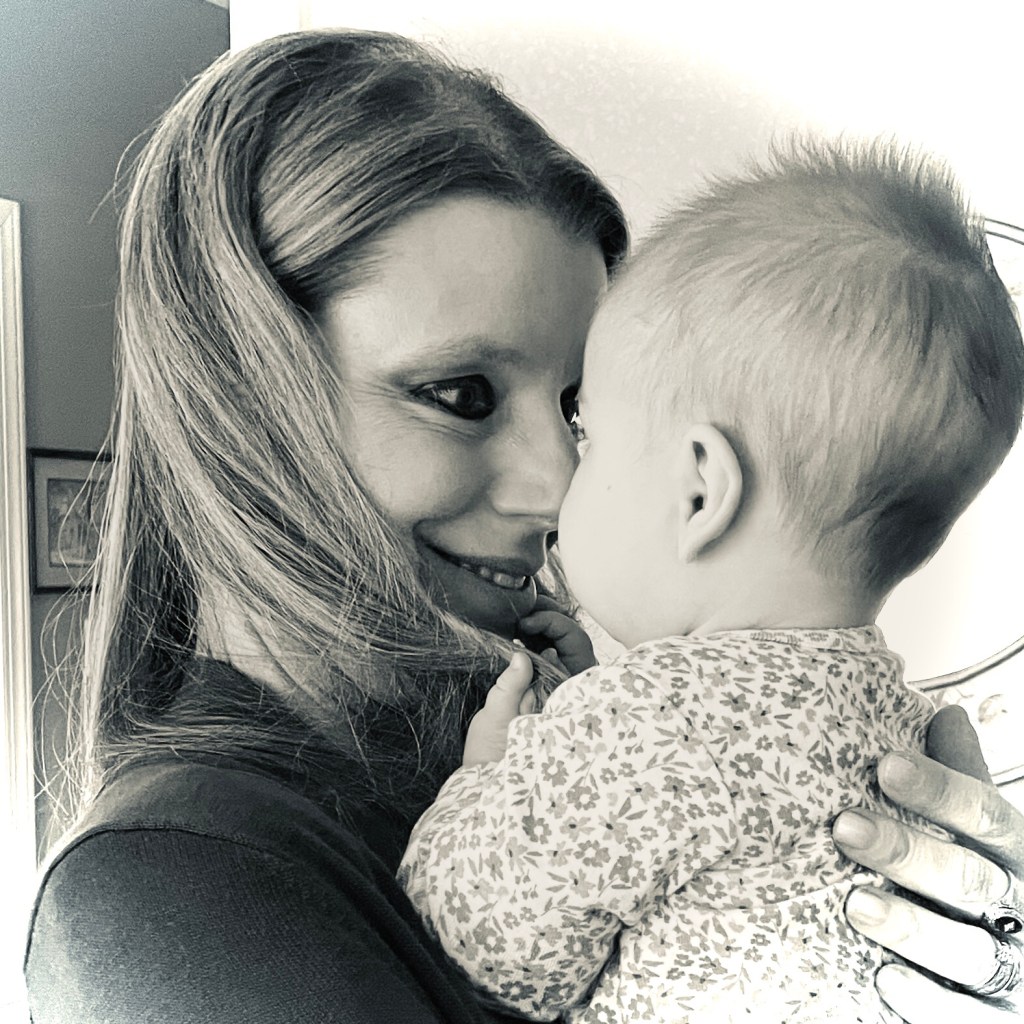
Every moment
every heartbeat
every today
all tomorrows
count forever
Today I had the pleasure of hosting Day Four of the June Open Write at Ethical ELA.
I shared anagram poetry:
Sometimes there’s a need for words when the words won’t come. Sometimes in naming the emotion we open ourselves to finding our words and our way.
As the events in Uvalde unfolded on May 24th, I couldn’t encapsulate my thoughts or my feelings. No words seemed appropriate or meaningful enough.
One word kept resurfacing: heartbroken. I finally resorted to examining its anagrams.
Those became a poem.
What are you feeling today? What are you grappling with or celebrating? What words or phrases might you explore with anagrams to express your sorrow, fear, or joy? You can type your word or expression in this Anagram Generator to get phrases. For example, if you type POETRY BLISS in the generator and select “Anagrams” instead of “Words,” 10,0000 phrases appear, including best prosily, blip oysters, blistery sop, priestly sob, and sibyl tropes, not to mention bless or pity. Tap into your feelings, type in your words (maybe not too many!) and see what comes. Weave the anagrams of your choosing into your own meaningful expression any way you like.
I left my anagram poem simple and stark. It’s what I needed to say.
May 24th (originally entitled Heartbroken)
broken hater
broken Earth
broken heart
heartbroken
Uvalde
valued
*******
I’ve enjoyed reading the many varied poems in response today. Some are gleefully nonsensical, sparking giggles. Some are deeply moving.
What fascinates me with this particular wordplay are the hidden meanings that lie in words, brought to light in rearranging the letters. It’s a unique alchemy, peculiarly lyrical:
it’s all such
lovey trope
lye overtop
overtly Poe
every lop to
ole poverty
love or type
poetry love
If nothing else, imagine a poem made from this elf row danger (flower garden):
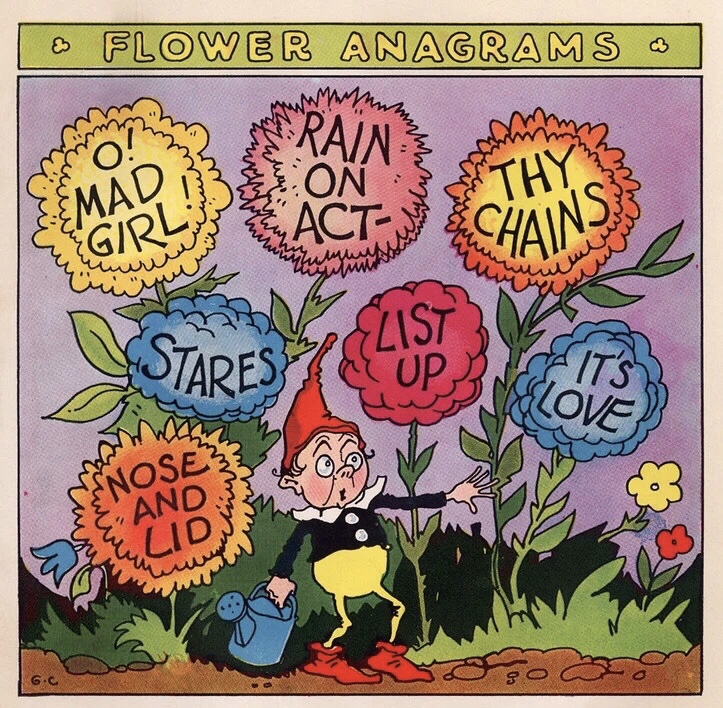
Photo: flower anagrams. gilliflower. CC BY-NC-ND 2.0.
with thanks to Allison Berryhill for this inspiration on today’s Open Write at Ethical ELA: Look around the room. Let your eyes rest on an object. Let that be your first word. List a word associated with it, then another…keep going until you’re ready to stop and “poetically connect the brain’s chain of associations.”
My word list:
pitcher
pour
tea
sweetness
childhood
sugar
Drinking Deep
I remember the pitcher
in my grandmother’s hand, mid-pour
tea flowing like memory
me drinking deep of the sweetness
a childhood steeped in dinner-stories
Daddy saying Slide up to the table, Sugar.
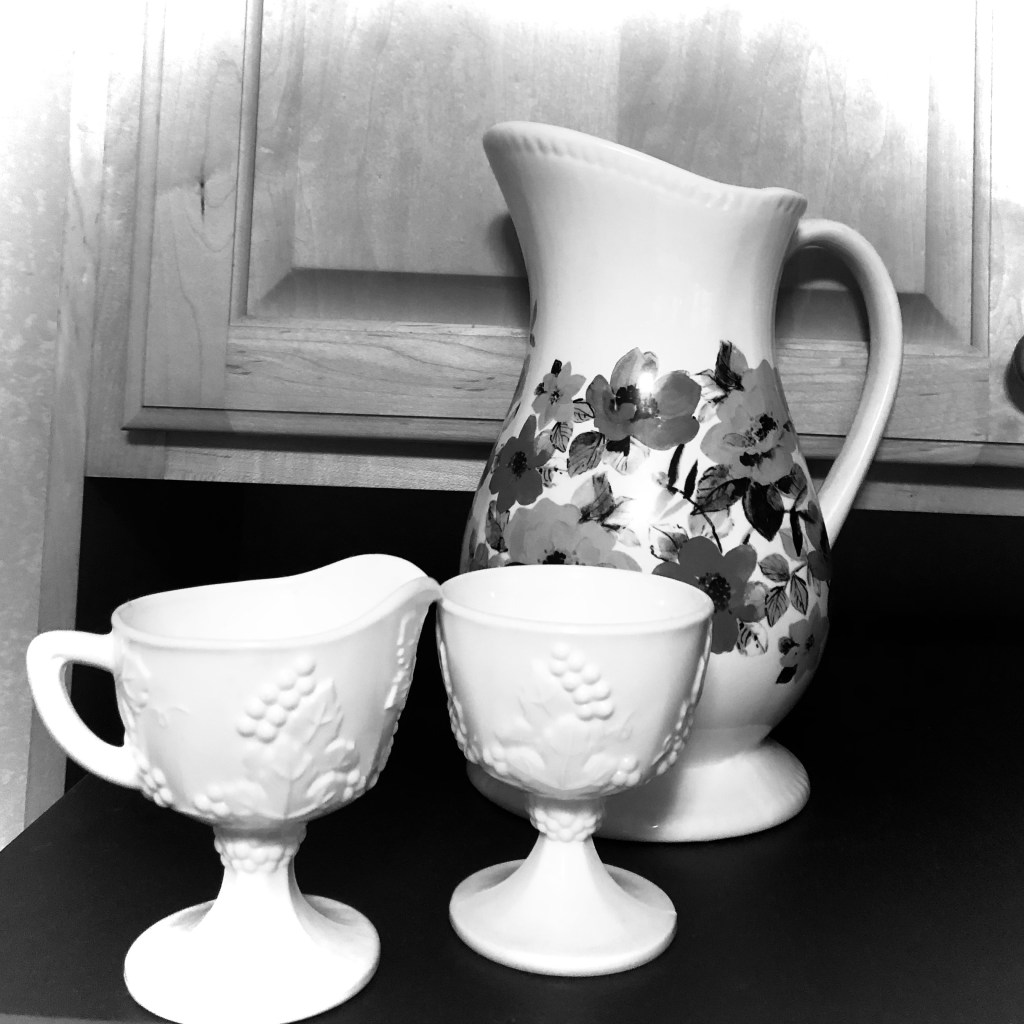
The pitcher that sparked the associations. It’s just decor; didn’t consciously think, in the moment, about the milk glass creamer and sugar bowl being my grandmother’s.
with thanks to Allison Berryhill for the inspiration on today’s Open Write at Ethical ELA, inviting participants to walk outside and collect objects for writing a poem…
The Treasure
In the backyard
by the fence
it lies half-buried
sun-bleached
pristine white
glowing with
ethereal light
holy relic
enshrined in earth
beloved remnant
of a creature
who carried it
in his kingly jaws
who stretched out
his golden body
this ivory scepter clutched
in big leonine paws
a treasure left behind
for me to find
monument
to lazy afternoons
when he was
here
so full of love
unwritten
in stone
yet still
resounding
abounding
surrounding
the bone

 lit bits and pieces