Earth-keeper poem

For the final Day of National Poetry Month, with thanks to Susie Morice, who encouraged poets to write of their favorite earth-keepers on yesterday’s #verselove at Ethical ELA. She suggested using a quote from an environmentalist to build the poem.

My quote is excerpted from a favorite novel:

“We found that trees could communicate, over the air and through their roots…We found that trees take care of each other…seeds remember the seasons of their childhood and set buds accordingly…trees sense the presence of other nearby life…a tree learns to save water…trees feed their young and synchronize their masts and bank resources and warn kin and send out signals to wasps to come and save them from attacks.” —Richard Powers, The Overstory

Understory Haiku
(for Granddaddy)

Once upon a time
my grandfather dug a well
in the earth he loved

he never said why
or who needed that water
maybe his neighbors

farm communities
did that; they worked together
for the common good

down deep in that hole
his shoveling uncovered 
a fully-formed tree

never saw the likes
he said, and I never asked
what became of it

but I imagine
it still lives, long after him
my understory
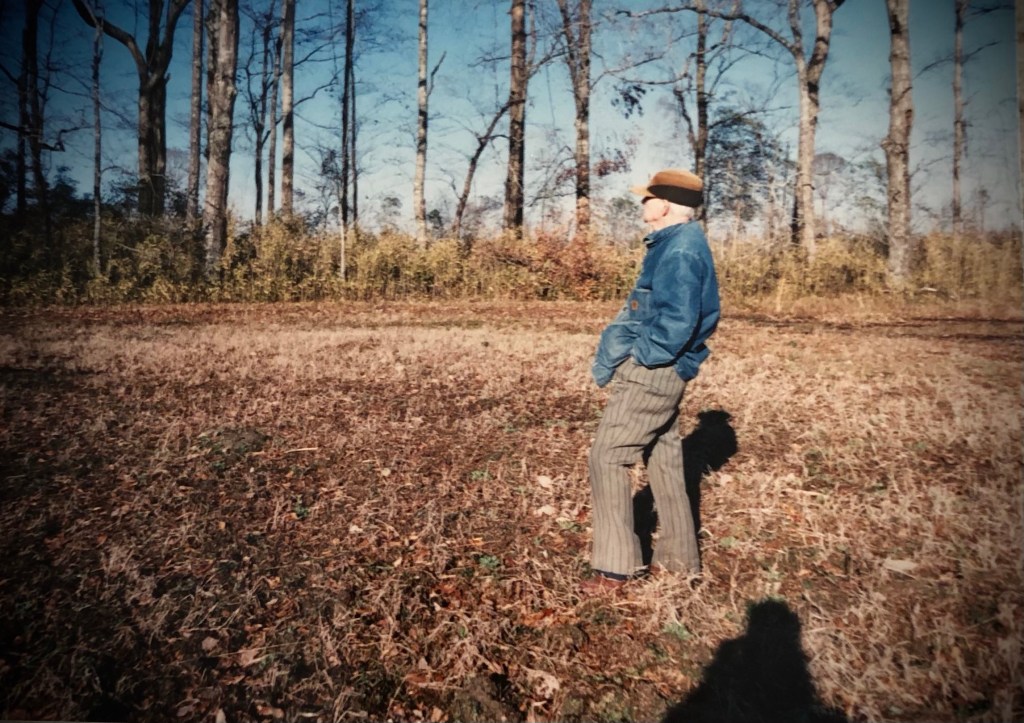
My grandfather, walking the land he loved most, his childhood farm. He told me where the house stood, and all the old barns…at the time of this photo, nothing remained but a wide field still in cultivation, bordered by trees. That’s my shadow at the bottom, taking his picture.
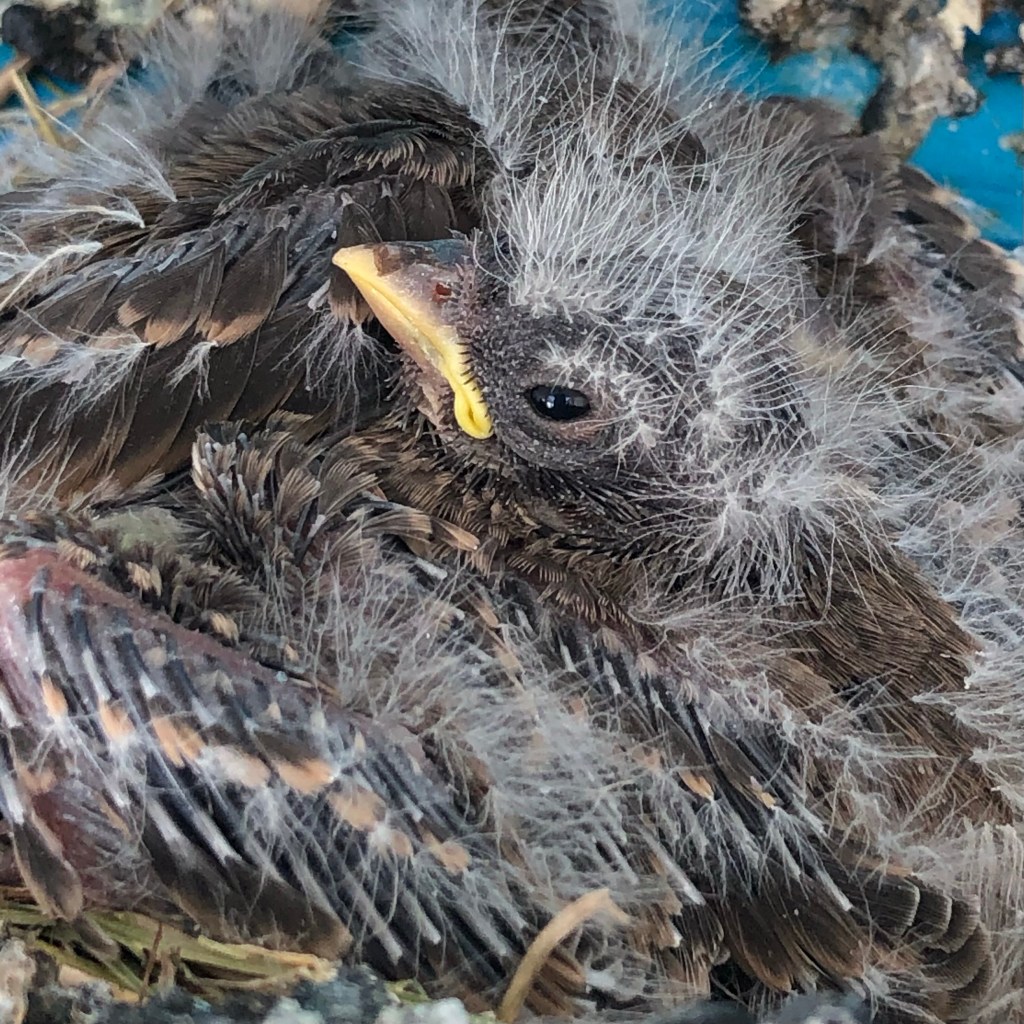
Tiny trembling life

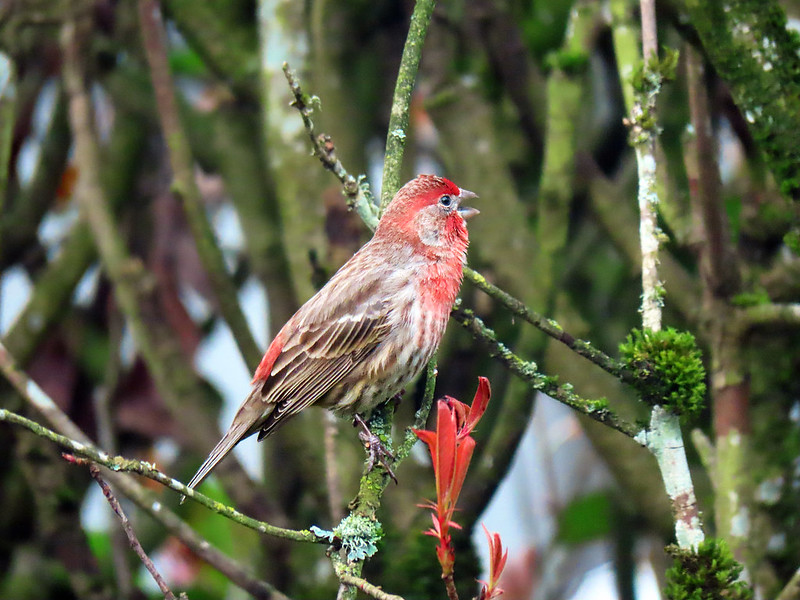
One of my favorite things about spring is the return of the house finches, which build a nest and raise a little family on my front door wreath.

I am treated to a bird’s eye view of tiny life coming into the world.

As some of you know from previous posts, the finches built the nest last year but never laid any eggs. It was haunting, coinciding with the onset of the COVID-19 shutdown. Barrenness. Emptiness. Loss.

They are making up for it this year.

Mama Finch laid five eggs during Holy Week; usually there are only three or four.

They’ve all hatched now and more pictures will be forthcoming, but here are the first two babies.

For the record, the collective noun for finches is a charm or a trembling.

A trembling charm of tiny new life upon my house:

For Day Twenty of National Poetry Month, a haiku:

Nature has her charms
Gifts of fragile new songbirds
Trembling abundance

April in North Carolina haiku

For Day Ten of National Poetry Month

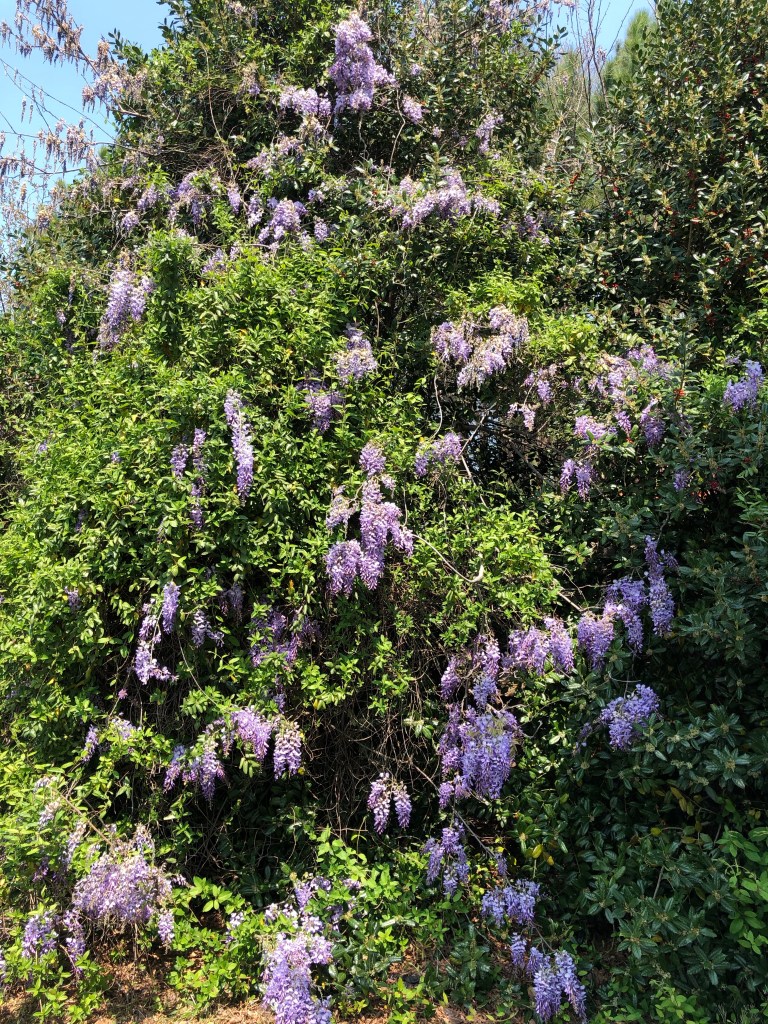
blossoms hang like grapes
wisteria decadence
threaded through the trees

finches chirruping
five pale blue eggs in the nest
on the front door wreath

grass, fresh-cut fragrance
green carpet for morning sun
not yet grown brutal

Wisteria decadence. Took this photo four days ago. I love wisteria and its whispers of bygone days. I have even written a short story in the voice of a wisteria vine, set in rural NC in the early part of the 20th century. Plants, after all, are said to have memory and feelings…

Finch found haiku

I have heard of found poems. I have not heard of a found haiku. But I offer one today from a favorite book: The Goldfinch by Donna Tartt.

For Day Three of National Poetry Month and in honor of the finches who returned to nest in the wreath on my front door, having mysteriously disappeared last spring during the onset of the COVID-19 pandemic.

bright, immutable
finch singing out brilliantly
from the wreck of time

A house finch song on the first day of spring. Richard Griffin. CC BY-SA

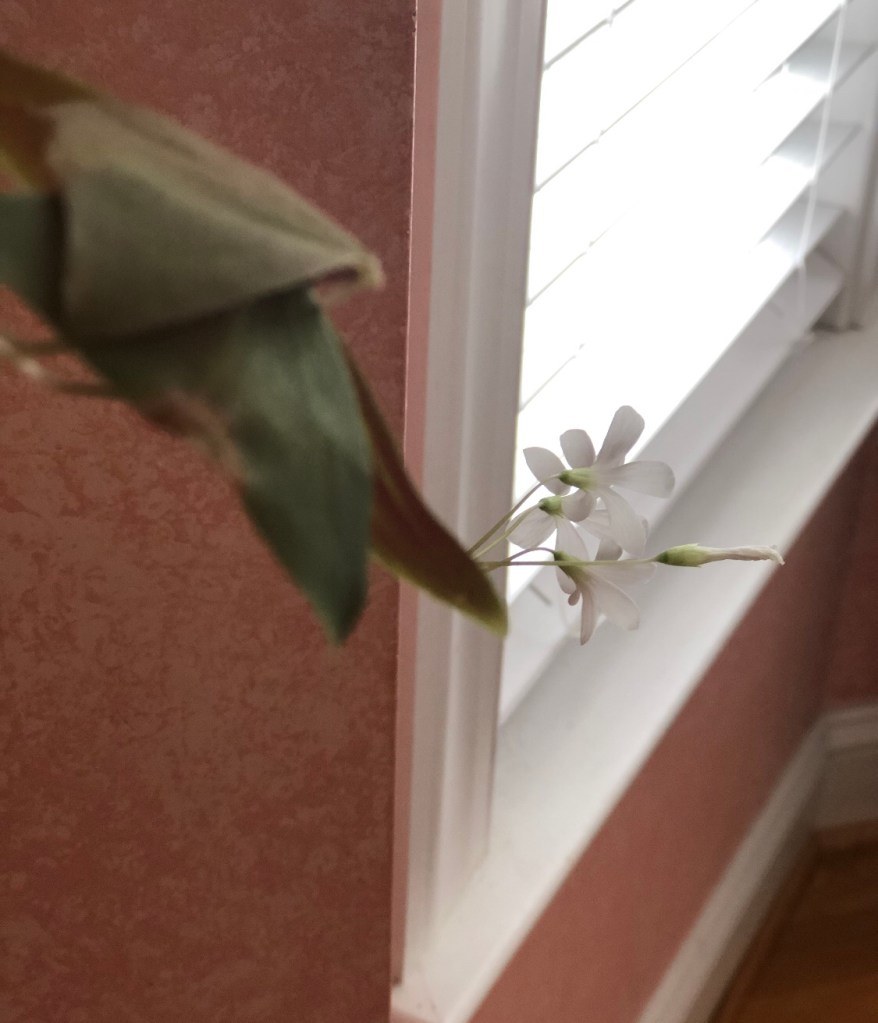
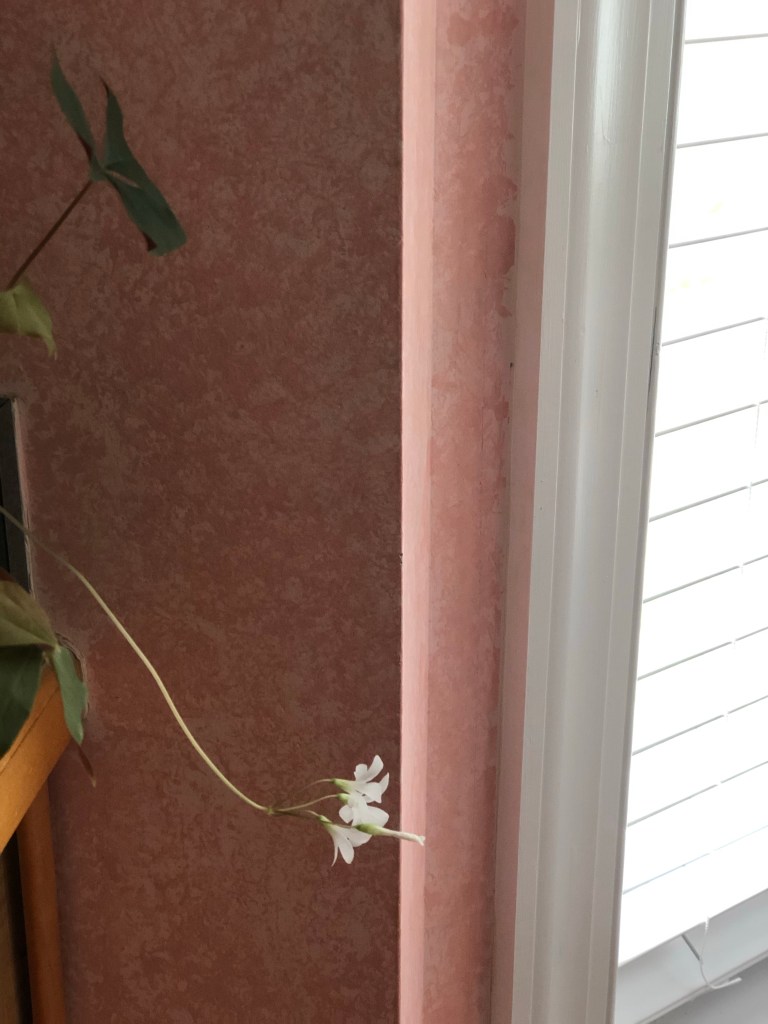
Shamrock haiku

solitary sprig
determined to survive, blooms
reaching for the light

without eyes to see
knowing without sapience
light is existence

reach, little shamrock
through darkest of days, sparking
my own hope-flower

I, too, keep reaching
for the light I know is there
even when unseen