One of my favorite themes in literature—in life—is redemption.
Life’s a complicated adventure. Things happen. We respond to them. Each of us is an individual, complex universe of tangled history, experience, emotion, psyche, and DNA. We make choices and our choices make us … and our story. As Shakespeare would say, “Thereby hangs a tale.”
Since I read The Goldfinch in February, while homebound with snow and a broken foot (which seems an eon ago, now) I’ve thought about how certain choices reveal true character more than others. For all the breathtaking artistry of the author’s craftsmanship, in all the moments I paused to reread passages to absorb more of their glory as the story swept me away, one little, shining nugget wedged itself in my heart deeper than anything else. Perhaps it is strange, I don’t know, and I will try not to be a spoiler here … suffice it to say that the main character, suffering from trauma, descends into self-destructive behavior as a means of coping. As he attempts to escape his circumstances, he takes a little dog with him rather than see it neglected. It’s not his dog and he’s actually embarrassed by its “girlishness” (it’s a Maltese) but his appalled distaste over the treatment of the animal and the conditions in which he first found it motivate him to make a rescue at risk to himself. This I found strikingly heroic. A revelation of the character’s inner wiring working at its best. Redeeming.
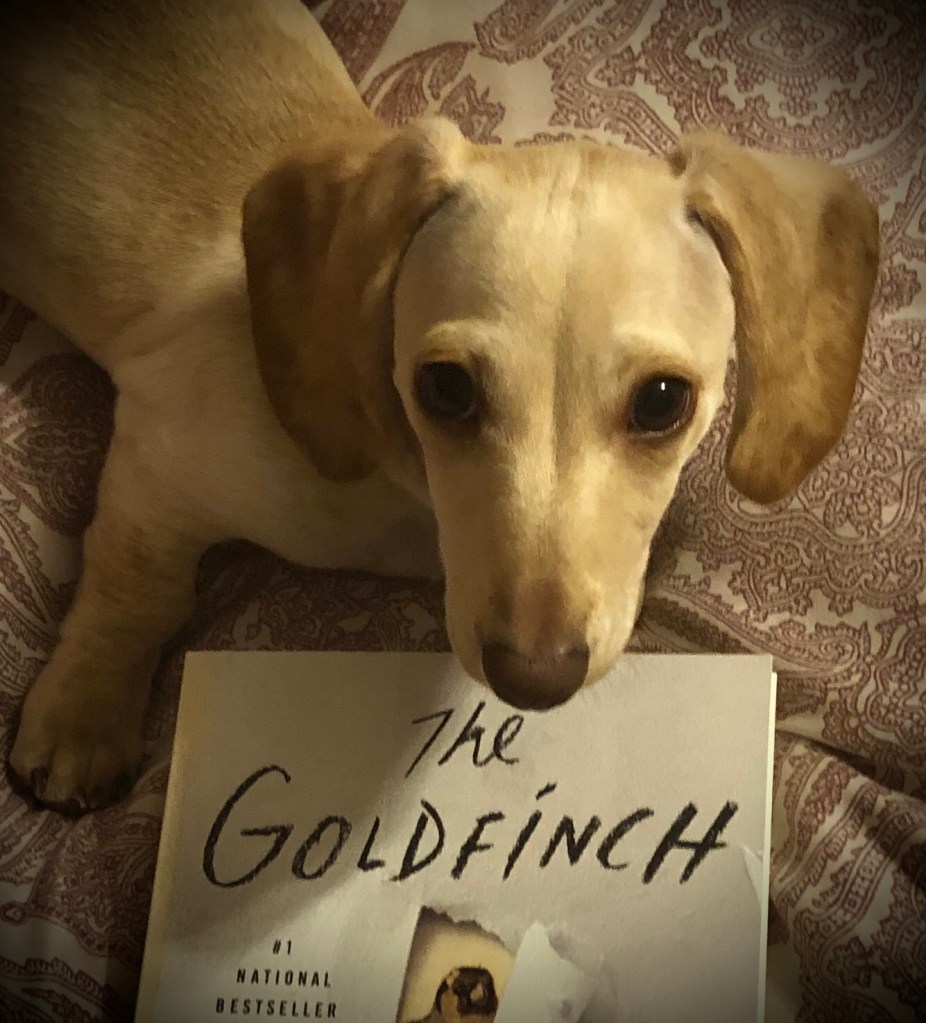
Then of course there’s the loving character of the little dog itself and I am quite, quite sure that I would have found that just as poignant if I had not had a little dog curled up in my lap as I read the novel.
I have been wanting to capture these sensations, somehow, ever since. Suddenly, today, it gels. Maybe it’s because the sun dawned so bright this morning on our troubled, changed world as it wobbles on. Maybe because this brightness mingles with a searing sense of grief and apprehension about the days to come. About how much of life as we know it will be lost. Destroyed. I’ve been writing an abnormal amount of poetry so maybe images are standing out with sharper edges and taking clearer form than usual.
At any rate, this is my first attempt at a nonet, inspired by that act of rescue in The Goldfinch. Maybe it’s about wishing for rescue. Or redefining it. Sometimes, in saving another, one is often saving oneself …
Redemption may be life’s greatest theme a sign that all hope is not lost overcoming brokenness in the effort to save another creature not capable of saving itself. =Love.
Waking to grayness rain slapping windows winter wind crying because it does not heed spring and life. Wrapped in my blanket I listen to that unrelenting wind daring not caring moaning mourning around the edges of existence.
—then—
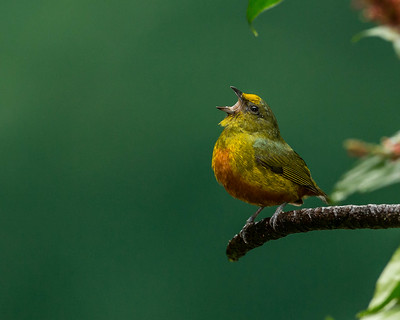
Through the gusting gloom wailing doom a faint sound. A solitary little bird singing joy joy joy-joy-joy honoring the light ever how dim.
Today I write with a group of friends for Spiritual Journey Thursday.
The word restore has been on my mind these days. More or less as a question: When will society, the economy, the country, the health of the globe be restored to pre-COVID-19 conditions? And what will that restoration look like? How changed or different will everything be?
I think on this a lot, as is there is a lot of time to think.
Naturally a well-known line from the Psalms also comes to mind: He restores my soul. It speaks of peace and confidence, of a daily trust. I watch the news, the frenzy of those in the medical profession, pleading on behalf of us all; the government having to count the cost of a shut-down economy as weighed against the life and well-being of its citizens; and everyone worried about having enough resources for coping. They’re all waging a mighty battle against an insatiable, tenacious, invisible pathogen.
While the rest of us watch from a distance, sheltered. Protected. Trusting that the decisions made for us will preserve us, restore us.
We wait in the stillness.
It brings the preceding line of Psalm 23 to mind: He leads me beside still waters.
I could make an analogy of a stormy, violent sea for the government, the medical field, and the stock market, in contrast to the majority of us waiting at home, by the still waters … but a story resurfaced in my memory instead.
Long ago, when I was about seven, I attended a church service where an older girl was baptized. She was perhaps twelve or so, a sweet and affectionate girl well-known and loved by the congregation. It was an exciting morning for the church … except that as this girl entered the baptistry, she was sobbing.
“I can’t do it,” she bawled. ” I can’t …”
Abject terror.
Even as a seven-year-old, I knew she’d chosen to be baptized. She’d walked the aisle some weeks before and professed her faith. I knew the pastor made new members, including children, attend a series of classes to understand the tenets of the faith and the ordnance of baptism. I didn’t understand it all myself, not yet, but I knew this girl, garbed in a white robe, hovering at the steps leading down into the water, crying, wanted to act on her faith. I’d never seen anyone react this way to being baptized: Why’s she so scared?
I look back now and wonder: Was she simply afraid of water? Had she never gone swimming in a pool, as I had?
The water wasn’t deep. It wasn’t cold; it was heated to be comfortably warm. It wasn’t waves crashing on the shore, no dangerous undertow, just clear, still water.
Our pastor, a humble, middle-aged man, a former Navy pilot in WWII and a Bible scholar, stood in his own robe of white at the center of the baptistry. He reached out his hand: “It’s all right, Dear Heart. See, I’m here. It’s safe. You know I’m going to hold onto you.” When she stayed rooted to the steps, clinging to the hidden rail, our pastor waded over, put his arm around her, and led her into the pool.
He held her for a moment. We heard him whisper: “Are you ready?”
Loud sobs, but a nod of her little head.
He raised his hand heavenward:
“I baptize you, little sister, in the name of the Father, the Son, and the Holy Spirit …”
Whoosh.
She went under and just as quickly, he raised her back up.
“I DID IT!” she shouted, hair plastered to her head, wet face shining. “I DID IT!”
If ever there was a vision of radiant joy, that’s it.
The entire congregation wept, even seven-year-old me.
The tears return even now, remembering.
He leads me beside still waters. Sometimes through still waters. When we cannot see the bottom. When we’d really rather not descend into them, when we don’t want to get wet at all, when we fear not so much immersion but submersion: How long will we be under? Can we last?
He restores my soul. It is a matter of trust that, somehow, all will be well, that we will be raised back up, we will be led safely through.
For now, we wait in the stillness like water lilies … which, in the Tamil poetic tradition, happens to symbolize the grief of separation.
On the placid surface
rest the blooms
in waters still.
Their unseen roots
anchor them
to the earth
far below.
And so we float
suspended
separate
waiting
enduring
this strange baptism
yet anchored
to one another
by unseen roots
while time stands still.
Today, in my mind, in my heart, the word restore echoes over and over and over like a prayer.
Today concludes the thirty-one-day Slice of Life Story Challenge with Two Writing Teachers. Today I cross the finish line with many fellow Slicers, having written a post each day.
But the writing doesn’t end here.
Nor does the challenge …
That’s the thing. Now, more than ever before in our lives, is a time to write.
The photo above is of a pocket notebook a friend and mentor gave as a parting gift to all who attended her retirement celebration years ago. Her love of writing and advocacy for teachers as writers inspires me to this day. She also passed the torch of facilitating district writing workshop training to me … until this year, when it is no longer offered. But I carry the notebook with me everywhere I go, just to remind me …
Teachers, students, families, friends, citizens of the world, all … today I offer the same to you, in the ongoing composition of life: Write bravely.
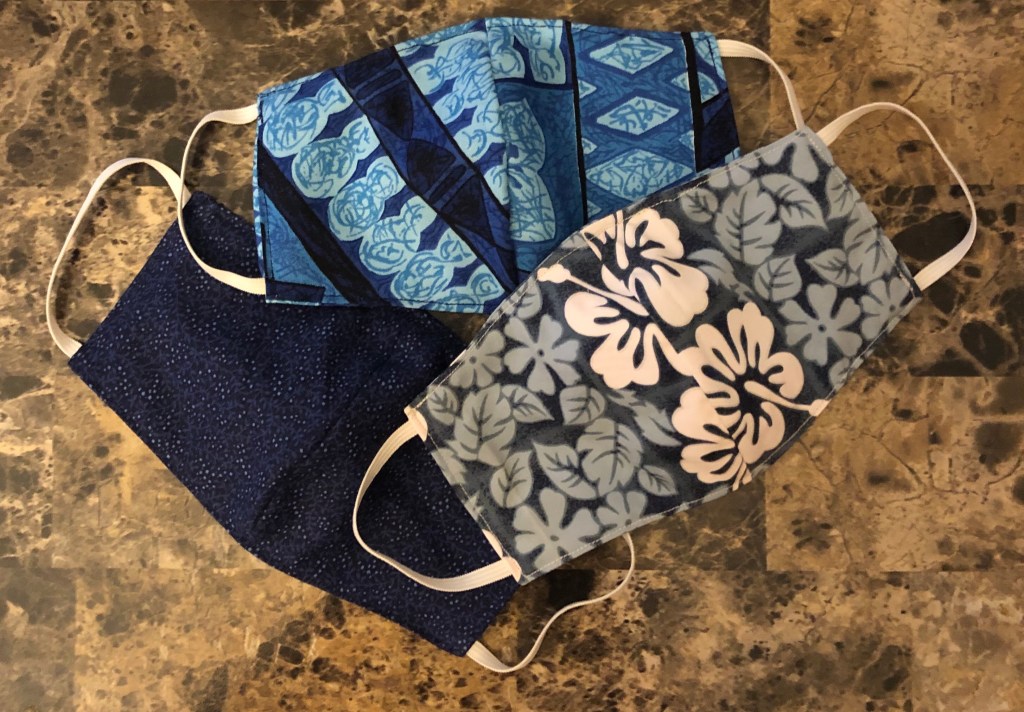
A friend wanted to know if my family would like some face masks.
She is making them.
She sent us pictures of the fabric—she has bolts of it—for us to choose the prints.
Yesterday she and her husband pulled up in our driveway to drop off the masks. My husband and I went out to meet our friends, offering our thanks only in words, no hand-grasps or hugs … a time to embrace, and a time to refrain from embracing … a few weeks back, we were all sitting around the dining room table here in the house, laughing and telling stories after a lasagna dinner. It seems long ago.
When will we be able to do so comfortably, again?
When I look at these masks, I see all that they represent. Shields in time of trouble. A friend channeling inertia into something productive, a practical means of battling an unseen enemy. Self-care spreading out like a blanket to cover others. Homemade love. Colorful patterns against the dark backdrop of our days.
These masks are artifacts of our times. Symbols of our story as we live it. And nothing connects humanity as much as story.
As I walked out to the driveway to receive these gifts, my grandmother’s voice echoed from across the years:
You won’t believe it, but where these woods are now used to be houses and farms, up and down this little road … when the Spanish flu came, it hit all but a couple of them … twelve people died in one week … Mama made pots of soup and Papa would carry it to their doors. He wouldn’t go in, of course …
Grandma wouldn’t have had living memory of this. When the influenza pandemic began in January 1918, she was only two. But she knew the stories. If my own memory serves me correctly, as I walked the tiny country cemeteries surrounding her homeplace, listening to her narratives of the people resting there—for she knew all their stories, and how they were connected— there was an unexpected commonality.
A death year. 1917.
That was before the Spanish flu.
Grandma nodded. There was a sickness before: They called it hemorrhagic fever. People would bruise and bleed from their noses and ears and eyes … a lot of people who tried to take care of the sick caught it and died, too …
She was hardly more than a baby then, a girl born and raised in a hard place in hard times, but here she stood, by the weather-worn stones under a cloudless blue sky, telling the stories seven decades later.
Because of story, these events are lodged in my memory a hundred years after they happened.
My father was Grandma’s first child, born during the Great Depression. Flour companies made their sacks with patterns and bright colors so people could make clothes out of them … look at my handmade face masks and tell me they aren’t reminiscent. A second child, my aunt, arrived with the war. Granddaddy moved the family from North Carolina to Virginia; he found work in the shipyard, where production increased to the point of cranking out ships in less than a third of the time it normally took. How can one not compare that to the scramble for mass production of ventilators today …
Grandma said: It was so hot that summer. I was miserable, being pregnant. I’d sit by the upstairs window and watch the iceman delivering blocks of ice to grocers … companies stopped making refrigerators … everything went into the war effort. I just cried. I’d have given anything for some of that ice … then we had ration cards and could only get certain things at certain times … once my sister Jack and her husband pooled their gas ration cards with ours and we all went on a trip to Massachusetts … it was so beautiful and so cool there …
I look at these masks and that is what I see.
The story of overcoming. Of determination. Of resourcefulness in time of scarcity. Of finding a means to be a good neighbor, a good friend, a real and present help in time of need, even if from a safe distance. Sharing so that everyone has enough. Acts of service, gifts of love. Sacrifice.
The road is long With many a winding turn That leads us to who knows where Who knows where …
—”He Ain’t Heavy, He’s My Brother,” B. Scott/B. Russell
Dear Son,
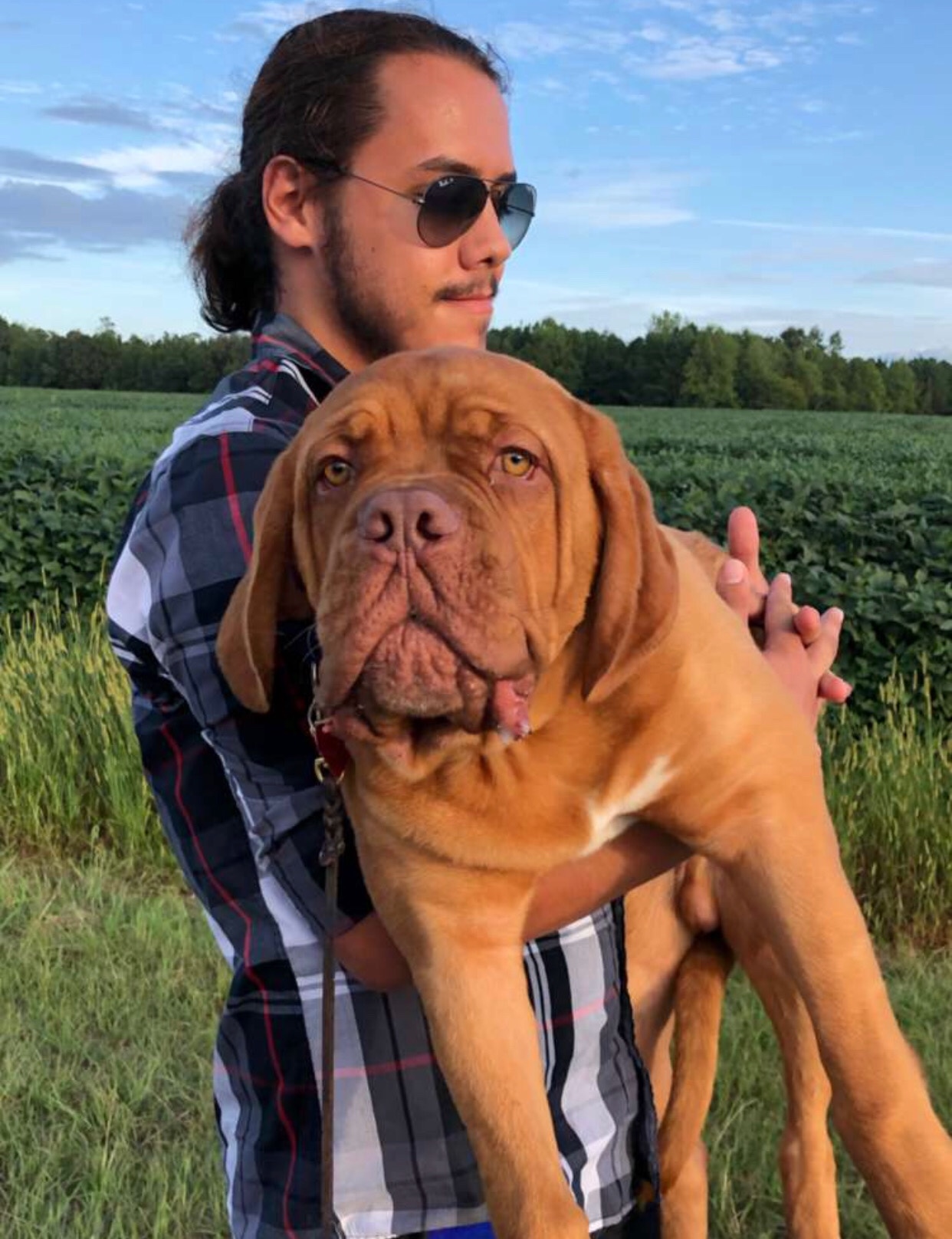
I think this may be my favorite picture of you. For several reasons. I like to see you in such a peaceful setting, walking that country path beside lush green fields, under the blue summer sky. You were walking with a friend, so you weren’t alone. You told me that her puppy followed you—I still can’t believe that’s just a puppy; he’s massive!—and he got tired, so you picked him up and carried him the rest of the way.
That is why I love the photo so much. It captures the essence of who you are.
Quietly bearing your burdens, no matter how heavy. There have been many in these past few years. Ever how burdened you were, ever how twisted and dark the pathbecame, you kept on walking.
No one knows better than I what a long, long road it’s been, from the day you started college to now. Graduation being canceled, just when the end is in sight, feels like a coup de grâce.
It all started off on such a high note, didn’t it? Getting that phone call two weeks after you finished high school, a church looking for a music director. Your childhood dream. I still have your kindergarten “All About Me” book with the prompt ‘When I grow up, I want to be’ … where you drew yourself as a choir director in crayon.You attained it at seventeen, before your formal training even began.
That summer was glorious and brief.
That fall you started college and almost instantly the shadows came.
Your father‘s diagnosis of ocular melanoma, the loss of his eye, the weeks waiting for pathology to reveal no cancer cells had spread.Despite your new job and your courseload, you stepped up to help him readjust.
On the heels of his healing came Ma-Ma’s stroke, the beginning of her slow decline over the rest of that year. She knew how much you loved her. She treasured every minute with you; she savored every long phone call you made from the time you were little. She couldn’t keep from crying whenever you played the piano and sang—remember how she organized for you to come play at her nursing home, near the last?I will never forget her wet, shining face. She was inordinately proud of you. She loved you fiercely.
How grateful I am that you and your dad were there, holding her hands, when she died.
And so you bore her loss on top of an unexpected one.
I know you’re marking the date. Three years ago today, the accident that took your friend. Your little childhood playmate who sang with you in preschool choir, your high school band mate, the organizer of the Sunday-nights-at-Bojangles gatherings. As I write, I hear her pure, high voice echoing in the church to your harmony and piano accompaniment. Her going left all of us reeling—a swift, severe, deep cut to the heart, a knotty scar we’ll bear forever. And yet you play on. You still sing. You stand by her family in their remembrances, your presence the only comfort that’s in your power to give. She would be graduating, too, this spring … but no one is graduating this spring …
It’s one of the hardest things in life, losing people, and not only to death. People will come and go because they choose to, no matter how much we wish they’d stay. You endured this, too, with uncommon grace, never lashing out, just walking on with your invisible pain. I knew it was there. I could feel the weight of it.
Seems we were due a respite, and if there was one, it was those few weeks of vacation last summer before your dad’s heart attack. You and I had just come home from walking when the officer arrived in the driveway to say your dad’s truck had run off the road and hit a tree, it might have been a medical event, maybe a seizure, no, he wasn’t sure what condition your father was in, EMS was working on him when he left, and did we have a way to get to the hospital? With your big brother too distraught to drive, you did it. Calmly, carefully, you drove us to the emergency room where the nurse met us at the door. You were beside me when she ushered us to the little room where the doctor met us to say your father had been resuscitated and was being prepped for heart surgery.
You were there with me that first night of sleeping on the waiting room chairs, not knowing what tomorrow would bring. You were there with me throughout that long week of his hospitalization, until your dad came home, battered, bruised, trying to recover his memory. You got his prescriptions so that I wouldn’t have to leave him … and when I took him back to the ER with chest pains a couple of weeks later, you met us there. Another hospital stay. Another heart surgery. Two more weeks of sleeping in the hospital. Do you remember the surreality of it all? How we felt like it would never end, like we were caught in the web of the wrong story, a movie with a terrible plot twist we didn’t see coming? How could this be?
Somehow you managed to keep your studies up, only leaving for your classes and your church services, making the music and leading the worship for others.
So here we are, at last. Your dad, recovered and restored … able to drive me back and forth to work with my broken foot … until this tiny pathogen bent on world domination closed the schools. Here you are, completing your final weeks of college online, being denied the walk to receive the reward of all your labors …it is unthinkable.
I think about the whole of your young adult life. How your road has been so long, with many a winding turn, through many a dark shadow. I watched how you went around, through, or over every obstacle on this arduous journey. You’ve endured what might have caused others to quit college, others who might have actually enjoyed their studies; I know you never loved the “game” of school and that for you it’s been a test of endurance, in itself. But the end is in sight—despite a pandemic. A plague. Who’d have ever believed, in our time …
You have come this far, bearing every heavy load. You’ve carried on. Often you, the baby of the family, carried the rest of us. You’ve fought internal battles for your own wellness more than anyone else knows; in this spiritual war, you’ve earned a Medal of Honor for exceptional valor. I know it and God knows it, Son. I stand in awe of your heart, full of love and mercy, so self-sacrificial, so willing to lighten others’ burdens as your own grew heavier. Like carrying a giant puppy during a long walk on a hot summer’s day, because it got tired.
That is why I love this picture. It is your story.
There are no words for how much I love you.
Keep walking, Son. Carry on.You are strong.
I am stronger because of you. Soon my foot will be well enough to walk with you again.
When we come through this present ominous shadow, college will be over, we’ll find ourselves in a whole new chapter in our lives, and we’ll celebrate all of it. Just a little farther along … I know that in your quiet way, you’ve already made your peace with it. I can almost hear you singing:
Here comes the sun, here comes the sun And I say it’s all right...
My granddaughter, age four, has a touch of cold. She told her dad (my son): “I think I have a little bit of coronavirus.” Yesterday she told the family that that her new Barbie bakery had to close down because “people in her town got coronavirus.”
Her understanding of such stark realities pierces my heart. Her comments also take me back to something I learned in my final high school English class, where I sat horror-struck, riveted, as my teacher painted a verbal image of London in the bubonic plague (which also originated in China):
This was the second and worst wave … people were superstitious about a catastrophic event occuring in 1666, with the Biblical symbolism of three sixes together, but the plague struck the year before, 1665 … spread by fleas on black rats … First you must understand the condition of London at the time. The characteristic fog was mingled with black smoke from factories and the coal-fires of a terribly overcrowded city. There was no sanitation; people dumped their waste from windows—that’s where the phrase “Gardy-loo!” originated, from the French “garde a l’eau!”—”watch out for the water!” It’s what people shouted to warn those walking on the street below, so they could jump out of the way when the buckets and chamber pots were dumped. Raw sewage ran in the streets … human and animal … just imagine what was on people’s shoes, on the hems of ladies’ long dresses … and during the plague, bodies also lay in the streets, where people fell dead… this sparked the children to invent a new game: Ring-Around-the-Rosie …
—What?
Ring-Around-the Rosie? It’s a silly, giddy game. How many times had I played it as a child, with neighborhood kids or schoolmates, trying to pull each other around the circle of our joined hands faster and faster, until we deliberately made ourselves fall?
“Ring-Around-the-Rosie” was originally “Ring a ring of roses,” funeral wreaths for the dead. “Pocket full of posie”was a reference to the nosegays people carried when they had to walk in the streets—flowers held to the nose to counteract the stench, or a handkerchief doused with cologne, if they were wealthy enough to have it. “Ashes, ashes”—at the time, it was “rashes, rashes,” indicating the discoloration of the skin from bursting lymph nodes, or “buboes,” hence the name “bubonic plague.” And “we all fall down” … that’s self-explanatory. It’s what the children saw…
That’s an indelible image: Children joining hands in the streets, chanting, whirling around faster and faster— laughing—against that ghastly backdrop. It’s how they interpreted and internalized events, how they coped with their world—through play.
The game remains with us centuries afterward. In our time, it’s indicative of the carefree joy of childhood; the darkness is long forgotten.
That’s what play does: defeats the demons, diminishes fear, turns the dark into light. It’s the way children communicate their learning about the world. It’s release, acceptance, solace, safety. It’s the bright, creationary force in a child’s domain: play is within the child’s control when nothing else is.
Its value, inestimable.
Barbie’s bakery will re-open, I am sure, for our businesses will. Our times are grim at present, but we know what causes disease to spread. We understand (most of us, let’s hope) that for now we have to keep our physical distance, for our greater good. We know the value of hygiene. We shall have to join hands—figuratively— in many different ways; we shall be pulled, and strained, but as long as we don’t succumb to panic, and if we submit to wisdom, we shall not fall.
And our children?
They’ll keep on playing.
And watching.
“We should respect with humility the bright holiness of childhood.”
-Janusz Korczak
Photo: “Circle of Peace” bronze sculpture by Gary Lee Price (children playing Ring-Around-the-Rosie). Blake Bolinger.CC BY.
Last July, my husband suffered a heart attack and cardiac arrest. After thirty minutes of CPR, shocks with defibrillator paddles, an emergency stent (four telescoped stents, to be exact), induced hypothermia to minimize damage to his brain, and a week in the hospital, he came home. He was readmitted a few weeks later with chest pains—another heart attack. We spent two more weeks at the hospital for a “wash” of blood thinners and subsequent bypass surgery.
It was a long, bleak period. Time seemed to stop. We did not know what each day would bring, or how altered life would be.
Throughout this time, cards and calls kept pouring in. Not just from our church, where my husband is pastor, but from churches all across the area. We are praying, everyone said. We will keep praying.
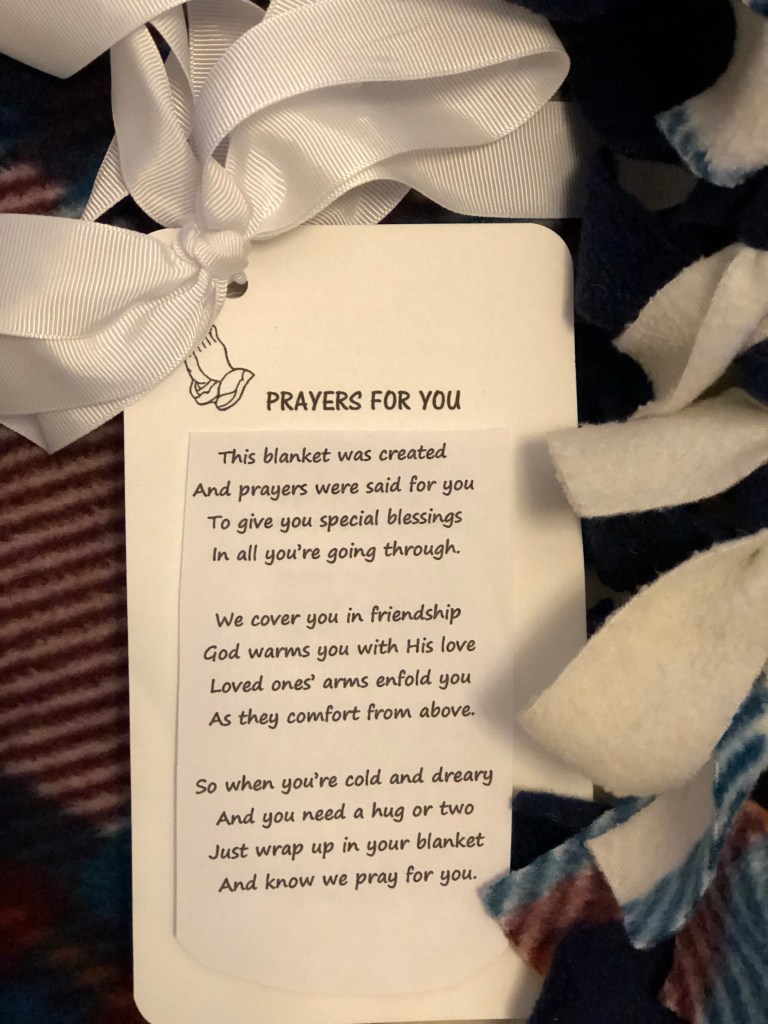
One night, when my husband was home at last, recovering, a friend came by with a special gift: “The Women on Mission at my church made this for you. We prayed for you out loud the whole time we worked on it.”
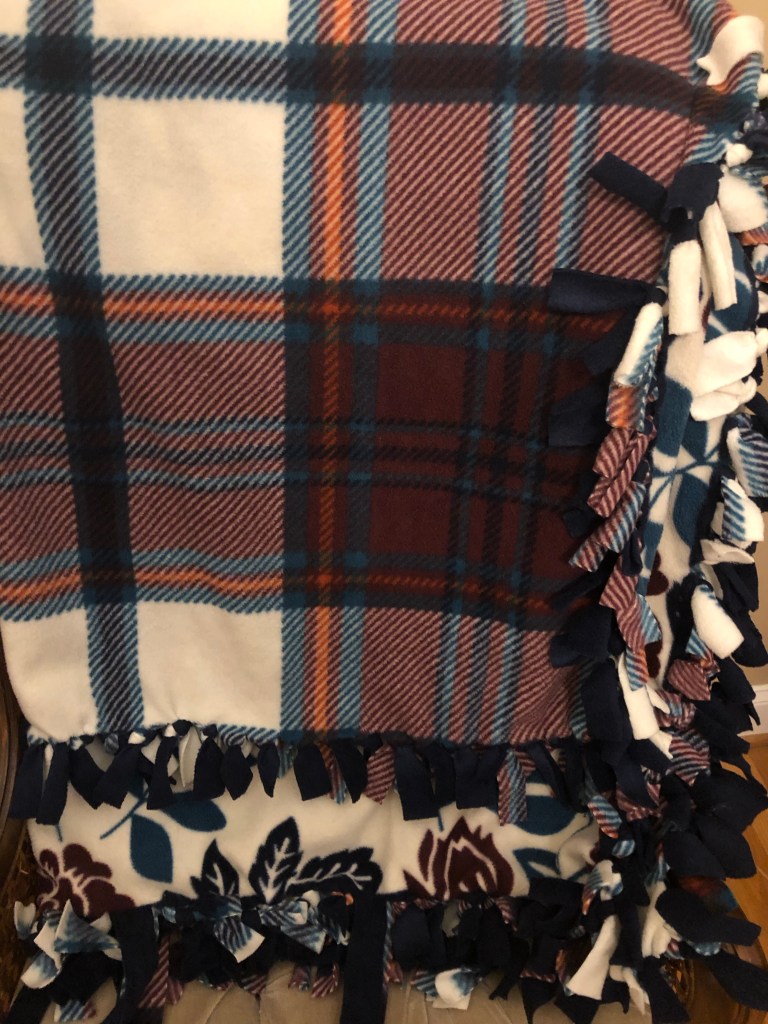
A blanket of many colors. Big, warm, laced with love, with faith.
My husband healed, wrapped in this prayer blanket.
Life slowly returned to normal.
I share it now with you, Friends, in this bleak period when time seems to stop, when life is unexpectedly altered.
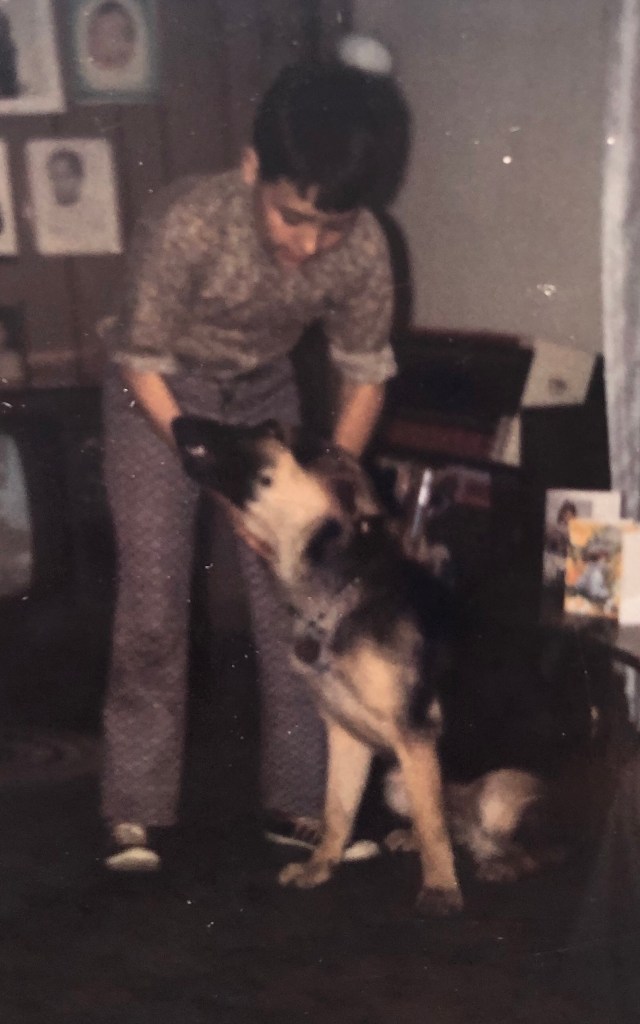
A good dog is one of life’s greatest gifts. Today’s post is dedicated to Rin, my husband’s childhood pet.
Dear Boy,
It is late. I am thinking about you sleeping upstairs. I wish I could get up there like I used to; I feel I should be near you tonight.
But I content myself with knowing that you are here and safe.
I think about the first time I saw you.
There you came with your mom and dad, looking at all my brothers and sisters at the place where we were born. As soon as I saw you, I knew: That is my Boy. That is my Boy. I ran straight to you, your arms went around me, and that was the moment we began. How excited you were to give me my name. Rin Tin Tin, you said. He was famous and you look just like him!
I was just happy because you were happy.
Do you remember taking me to classes? I do. How proud I was to learn what you wanted, to make you so pleased with me.
I’d do anything for you, my Boy. I hope you know.
I remember that bad time when I was still a very young dog and you were so sad. When your dad left for work and never came back. I knew you were hurting and afraid; that’s why I stayed so close. I gave you all the comfort I knew how, the warmth of my body, the occasional lick for reassurance. I watched you while you slept in case you woke and needed me.
You’re my everything, Boy. You always were.
Remember how you’d throw a stick for me to fetch, over and over and over, because I never got tired of it? How I miss that! I will still fetch for you, Boy, if you would only let me. That’s why I keep finding sticks and bringing them to you even though I understand you don’t want me to run. I know I am slow and yes, it hurts my old hip—but it is what we do. It is what we always did. So much fun, so much joy. If I could have fit your basketball in my mouth all those hours and days and weeks and years you were out on the backyard court, I’d have played that with you, too. But it was enough for me just to run beside you.
Perhaps tonight I will dream of those days, when we ran and ran and you got tired but I never did. I am tired now. I want you to know that whatever comes, Boy, I would do it all again. Every bit of it.
You’re my life, Boy. I love you so.
Now I lay me down to sleep. I’ll wait for you in the morning.
Goodnight, Boy.
Rin
*******
On the morning after the Boy and I got married, his mother found Rin unresponsive. He’d had a stroke. He died later that day at the vet’s office.
He was thirteen.
—I’ve always believed you knew that you finished your job, Rin. You saw the Boy safely off to his adult life on the last day of your own. Thank you, Rin Tin Tin, good and faithful servant, for giving him your all.
Today’s post serves a dual purpose: My daily Slice of Life Story Challenge and Spiritual Journey Thursday, organized by my friend Margaret Simon on the first Thursday of the month. Thank you, Margaret, for the invitation to host.
I chose to write around the theme of “balance.”
Not necessarily what you may think…
*******
It’s almost here.
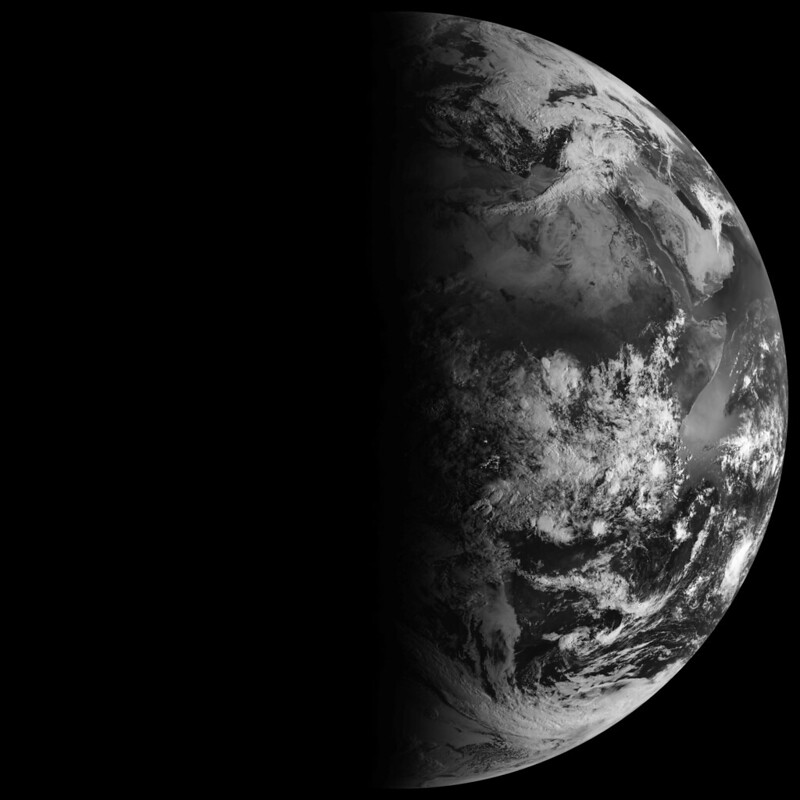
Spring. The equinox.
A balance of light and dark in the world, or “equal night.”
My thinking radiates in a number of metaphorical directions here but I’ll begin with the moment I was at school grappling with a new data reporting system that I have to teach to colleagues. I logged in and discovered this message: Alternate Data Entry for Dark Period.
Dark Period?
It has the sound of a span in history, like it belongs in the Holocene Epoch of the Quaternary Period, the current one in which we live, geologically speaking (“current” meaning over 11, 000 years old, for the record). As if it can be marked in time like the Ice Age or at least the Dark Ages.
Dark Period.
All it means, apparently, is the time when the data reporting system is shut down to be updated. It’s tech housecleaning. During the Dark Period, no additional data entry can occur, until everything is verified and balanced.
The words stuck with me, though.
Many would say we are living in a Dark Period now. It’s an era of strife, vitriol, backlash. An age of ever-increasing concerns over mental health. Over health in general—the coronavirus.
And at the heart of the darkness is fear.
A. Roger Ekirch writes in At Day’s Close: Night in Times Past: “Night was man’s first necessary evil, our oldest and most haunting terror. Amid the gathering darkness and cold, our prehistoric forebears must have felt profound fear … that one morning the sun might fail to return.” He goes on to say that many psychologists believe that our early ancestors feared not the dark itself but harm befalling them in the dark (for it was an unlit world at night) and over time night became synonymous with danger.
Fear leads to anger and anxiety. In the dark, things don’t look as they should; they’re distorted.
What’s the balance?
Now we’re back to the equinox, metaphorically.
Light. Day. The assurance that there’s still good working in the world, undoing harm. Think of the destruction of Australia and the human involvement in deliberately setting bushfires. Then think of soldiers in the Australian army, lined up in rows, cuddling and nursing koalas when off duty. Then apply it to people suffering around our globe …
We are our own greatest enemy and helpmeet. We all hang in the balance of these: despair and hope, destruction and edification, hurt and healing.
In The Forgotten Beasts of Eld, Patricia A. McKillip describes a monstrous creature like “a dark mist” who embodies “the fear men die of.” The novel is about learning how to live and love in a different world.
That would mean overcoming the dark, the fear.
Incidentally, in a strange balance, the current virus causing so much alarm shares its name with the crown of the sun.
And, speaking of the sun, here’s the secret of the equinox, why it’s not really equal: There’s actually more day than night.
More light. Literally.
And figuratively, it has nothing to do with moving around the sun and everything to do with moving the human heart.



 lit bits and pieces