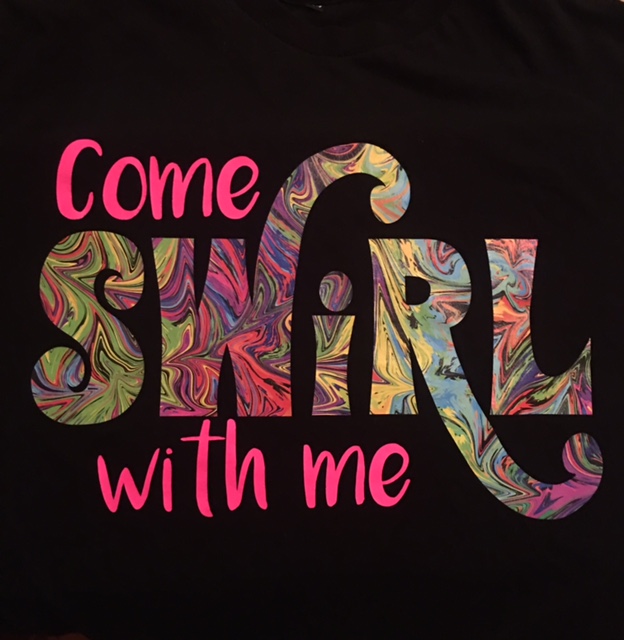
Come SWiRL with me

SWiRL

Our Literacy Lunch team’s T-shirt design

Q: What’s a fun way to engage families in English Language Arts activities with their children?

A: Have a Literacy Lunch!

Every year, families look forward to Literacy Lunch at our school. It’s one of our best-attended events.

Our theme this year, “Come SWiRL with Me,” centered on the facets or domains of language: Speak, Write, Read, Listen (we added the “i” to the SWRL acronym to make a real word), as speaking, writing, reading, and listening comprise the ELA standards and language skills needed across all disciplines.

So, grade levels came up with activities that encompassed all elements of SWRL. Some included poetry, in recognition of National Poetry Month.
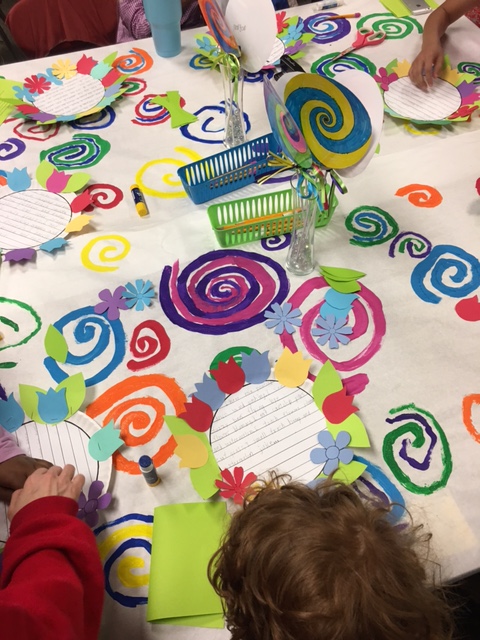
 

Spring poems 1st

First graders wrote spring poems with families, to read aloud. Second graders wrote “I wish” poems.
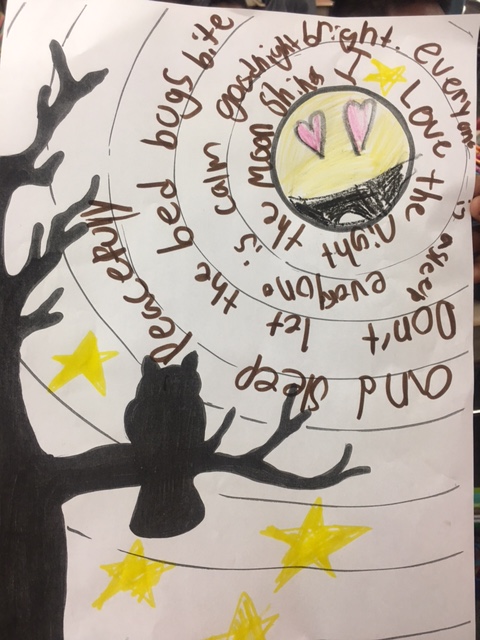
Swirl poem 4th

Fourth graders composed “swirl” poems with families.
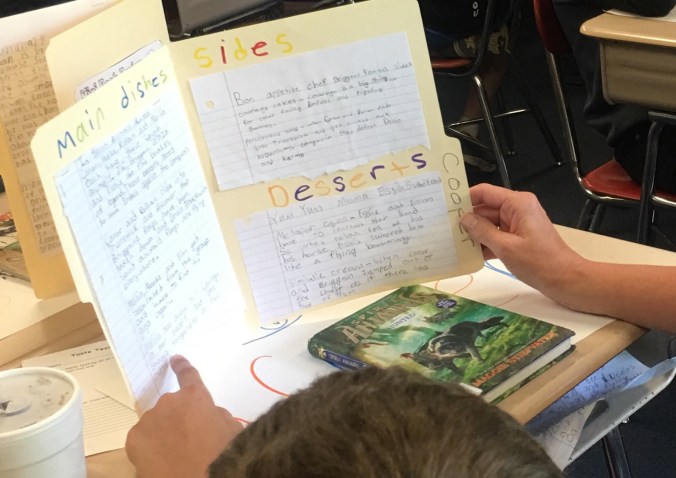
Book tasting 5th

Fifth graders treated parents to a “book tasting.”
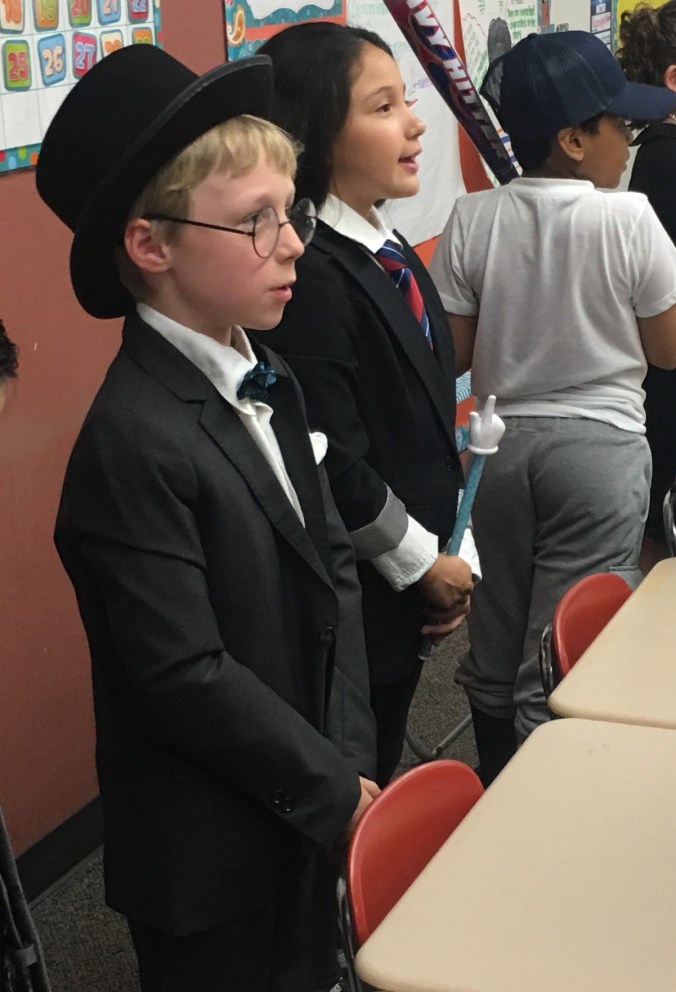
Wax museum 3rd

Third grade’s wax museum: Meet Woodrow Wilson, Frederick Douglass, and Jackie Robinson. Visitors pressed a “button” to hear the historical figures speak. This was the culmination of a biography writing unit.

After the in-class activity, families went to the cafeteria:
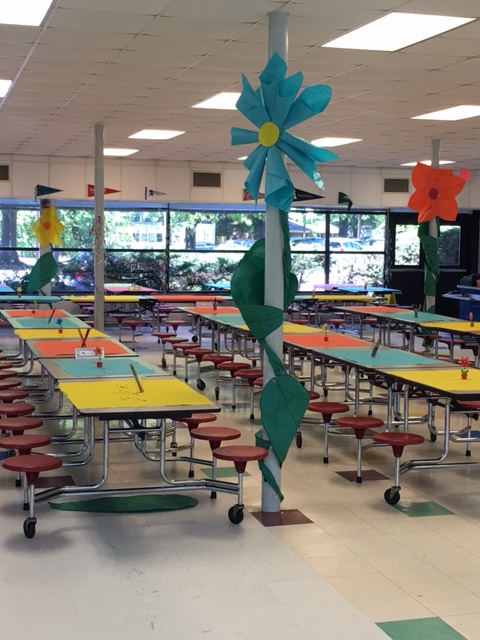
SWiRL - Cafe

All ready for families to eat together – and to write on the tablecloth.

The children seemed to enjoy writing on the paper tablecloths at lunchtime the most – at the end of each lunch, tablecloths were covered with messages and small sketches. One carefully crayoned note from a first grader: “I love you.” Underneath, the neat printing of a parent: “I love you, too.”

Upon exiting, parents gave feedback: They were in awe of the artwork,  fascinated by the children’s ideas and their creative expression. One parent commented: “Public speaking is VERY IMPORTANT!” Another parent, after attending kindergarten’s renditions of reader’s theater, wrote: “I’ve seen so much improvement in my son’s writing and speaking.”

Perhaps most telling is this comment, one frequently echoed throughout our years of Literacy Lunches: “Thank you for this special time with my child.”

Speak, write, read, and listen well, for words are important.

So is time.
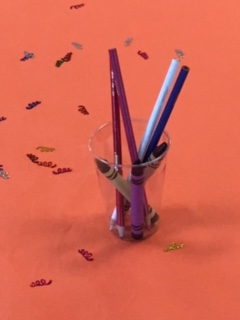
SWiRL table

Reflect: What message do you need to communicate to someone today? Make time.
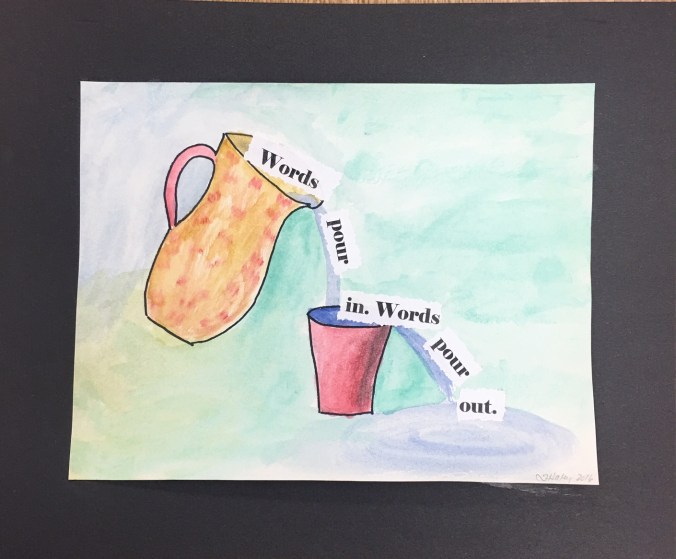
 

Six-word memoir

Words pour in

“What do you love best? How can you use the things you love to represent you, to describe who you are, in just six words?”

I pause to let the fifth graders think.

“One thing that I love,” I continue, “is the sound of cicadas. Have you heard that sound?”

Hands shoot up. I nod to a girl who replies: “Those bugs that buzz really loud.”

“Yes. Every spring I look forward to hearing the cicadas again – they will buzz all summer long. They remind me of summers spent with my grandparents. The sound was deafening in the thick woods around their home. Hearing cicadas now makes me feel happy and safe, no matter what else is going on. It’s one of the things I love best. So I might try to write my six-word memoir about the sound of cicadas.”

With pencil on paper, using the document camera, I write:

Nature sings to me. I listen.

I see heads nodding.

“I might keep working these six words to see if I can make them represent me better. I might decide to work on another idea. Today you will make a list of things that you love – maybe things you love to do, or favorite objects, or even dreams you have of things you want to do or be – and think about how each thing represents you. Then we will work on capturing and hammering out those descriptions in just six words.”

Off they go around the room, to brainstorm.

I brainstorm, too. What else can I write? What’s another example I can give them?

Well, as far back as I can remember, I loved reading and writing – it’s who I am. It’s what I do. It’s why I’m in this very room this very minute, teaching it.

I think about it all night, and am ready for the next lesson.

“So, ladies and gentlemen, yesterday we brainstormed ideas for writing our six-word memoirs. We thought of things we love and how they might represent us. I thought of something else to represent me. Let me ask you: What do you think represents me? Think about what I do and what you know about me.”

A boy waves his hand: “I know! Harry Potter!”

The class giggles and a few say, “Yessss!”

I laugh. “Excellent. But think bigger than Harry Potter, if possible! Think about who I am and what I do.”

A quiet girl’s hand sneaks up. “You teach reading and writing.”

“There you go. I’ve loved reading and writing all my life. I think this idea might be a great choice for a six-word memoir. It really describes who I am. I have to think now about how to capture this idea in six words.”

With pencil, paper, and the document camera, I write:

I read, I write, I am.

Heads nod – and an image materializes in my mind just then.

A pitcher, a glass, water pouring . . . .

“I just got an idea of how to make this better!”

I write:

Words pour in. Words pour out.

The children study these words.

“What do you think this means, ladies and gentlemen?”

A boy says, “First you wrote I read, I write, I am and you said you could make it better so I think you mean that if words pour in, you’re reading, and if words pour out, you’re writing.”

Across the room, faces light up.

I smile. “Well done. For a few minutes, share your ideas with your partner and talk about possible ways to begin writing your six-word memoir. Then we’ll all write.”

I listen as the ideas flow in and out, with a hum as vibrant as that of cicadas.

(If you’re interested in reading an earlier Slice on the sound of cicadas: Cicada rhythm)

slice-of-life_individualEarly Morning Slicer