Your one wild and precious life

Tell me, what is it you plan to do
with your one wild and precious life?

—Mary Oliver, “The Summer Day”

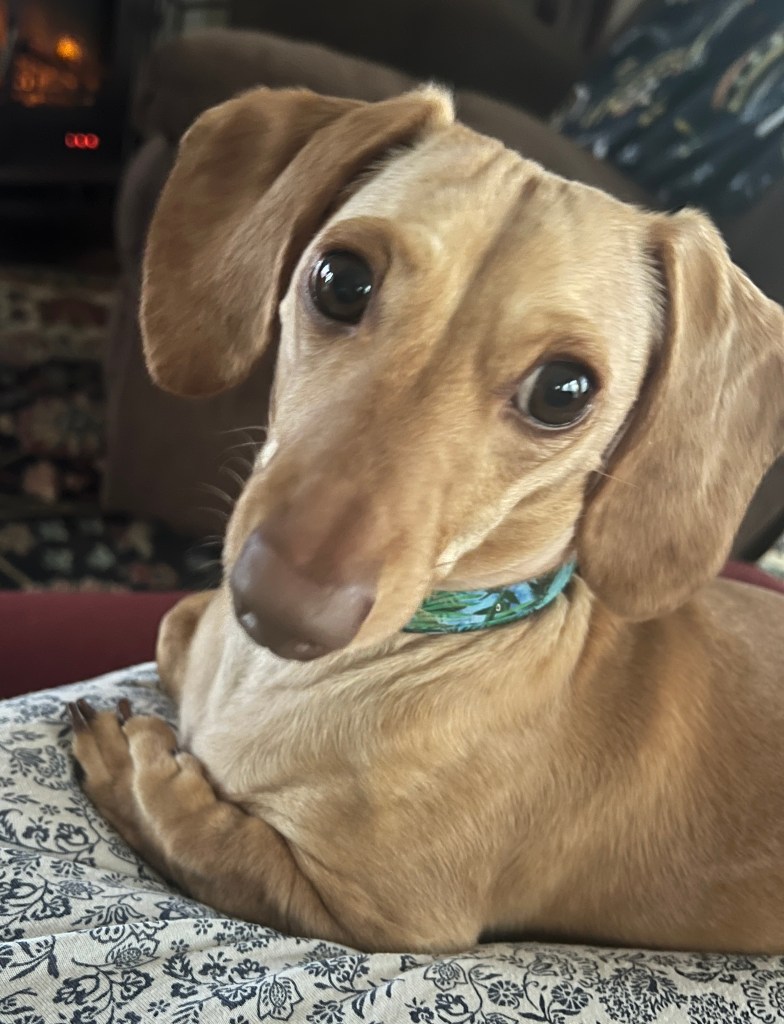
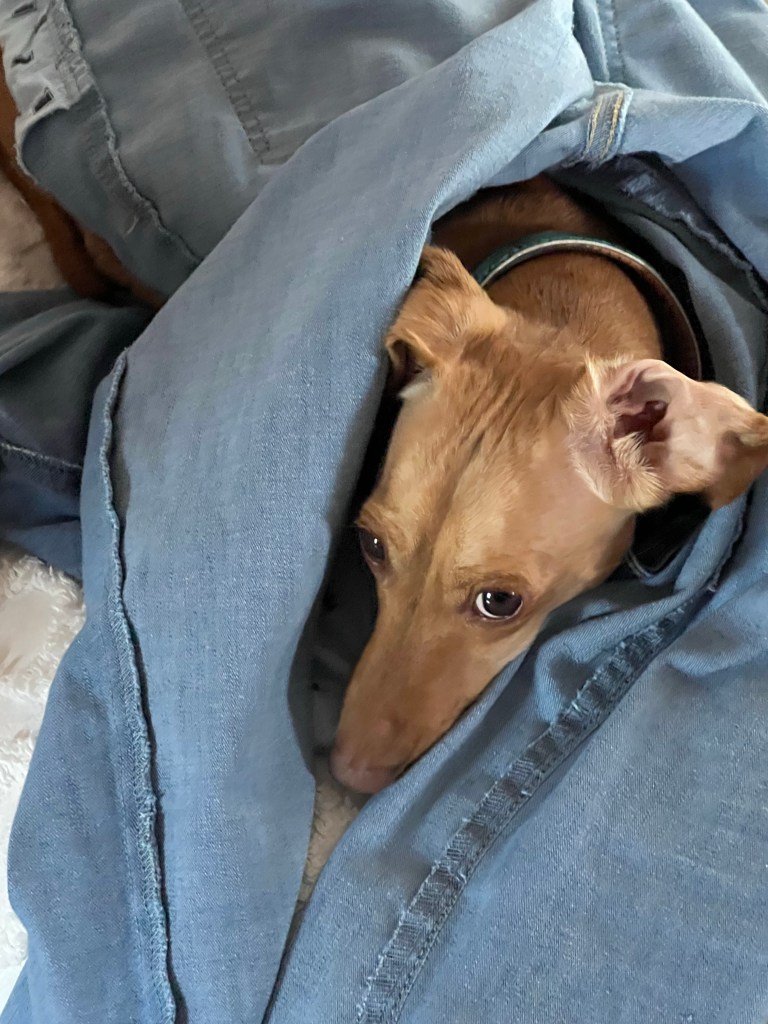
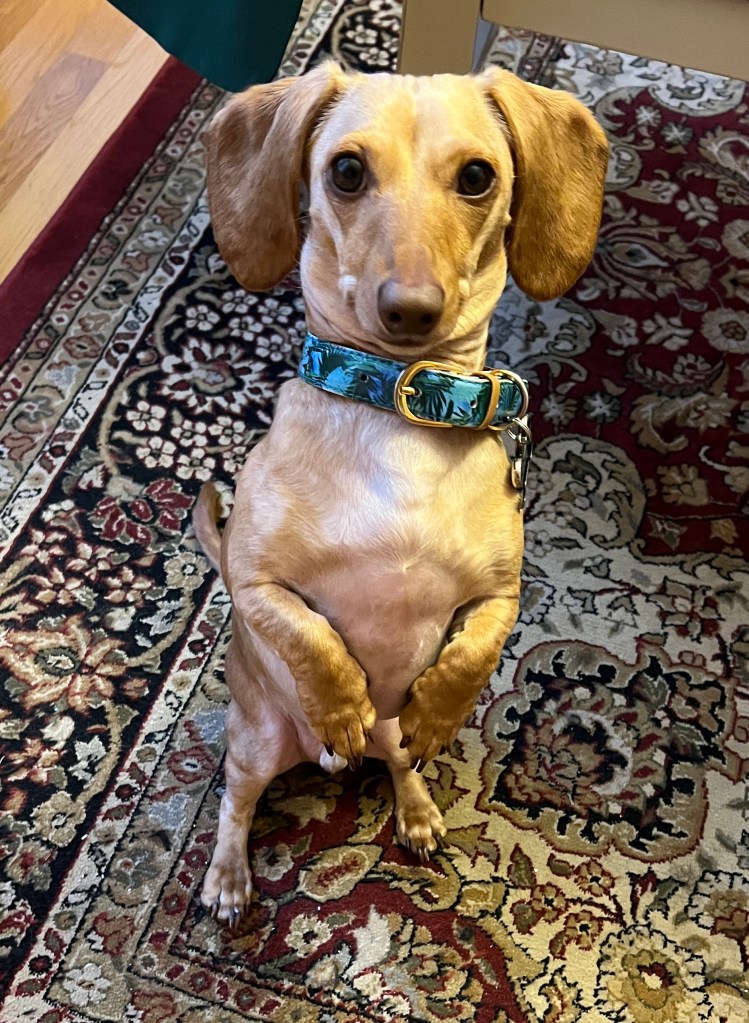
Dennis the dachshund’s advice for life:

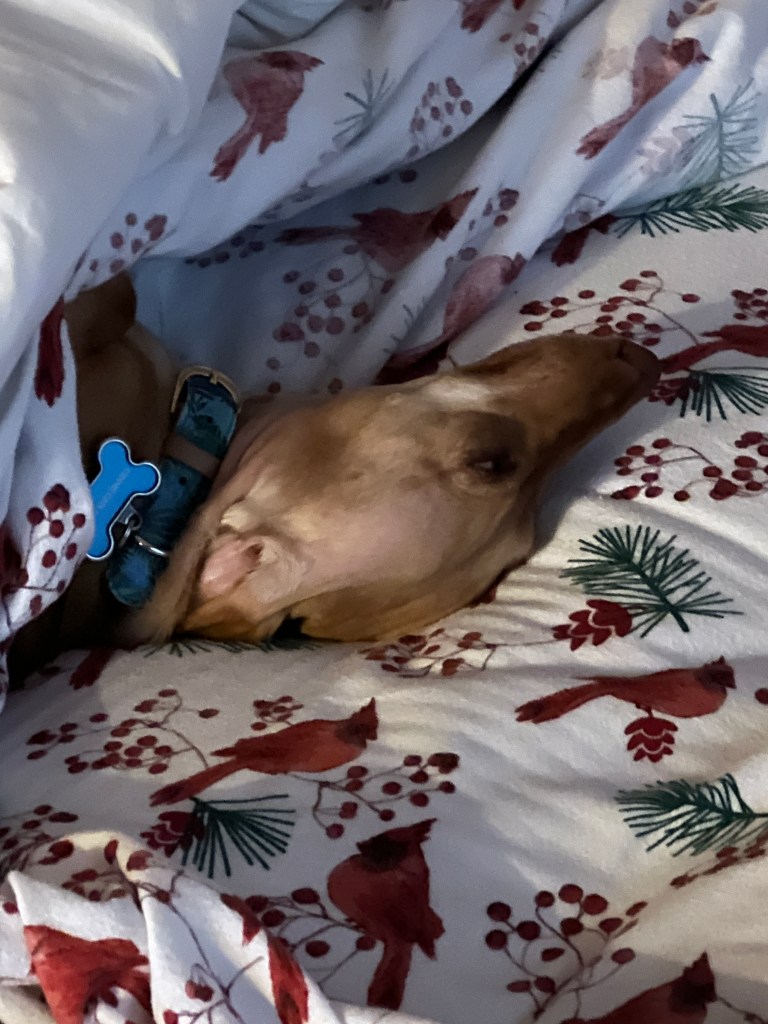
Sleep often and late. Use many blankets.

Comfort the sick. Be a constant presence.

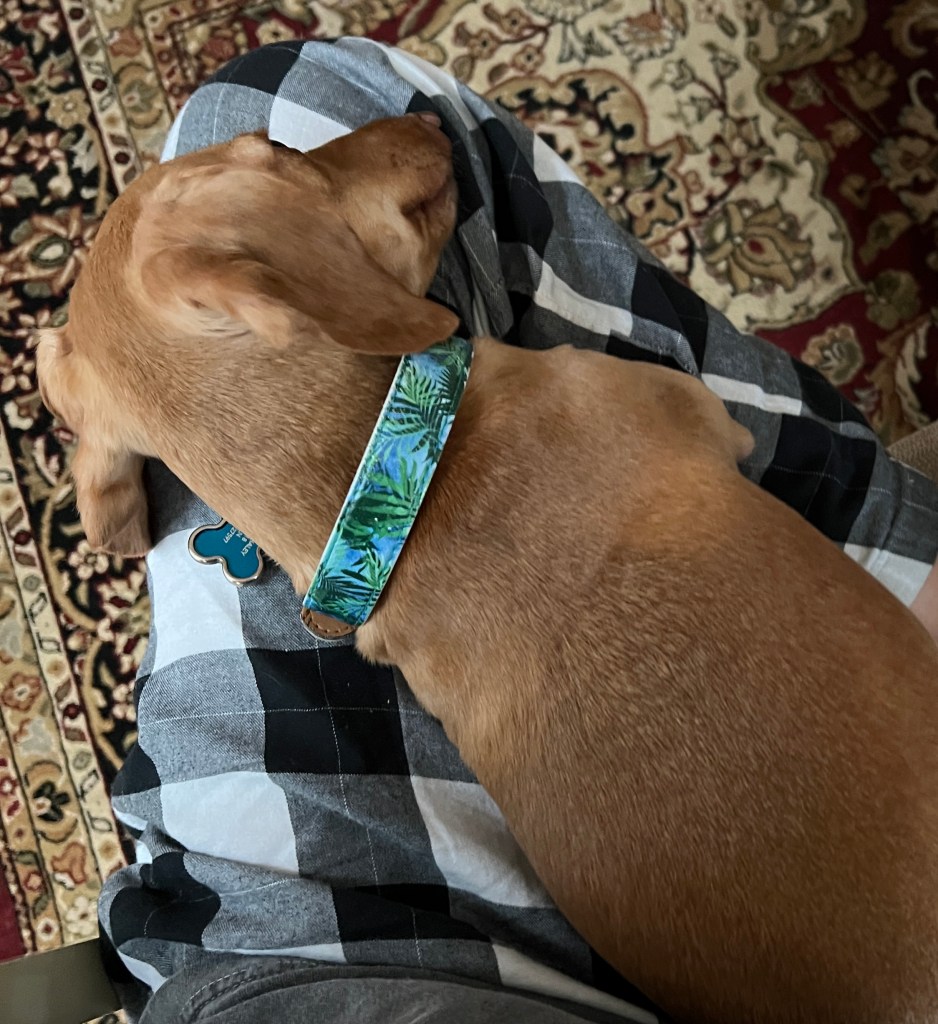
Every day is good for blue jeans (fresh from the dryer, preferably).

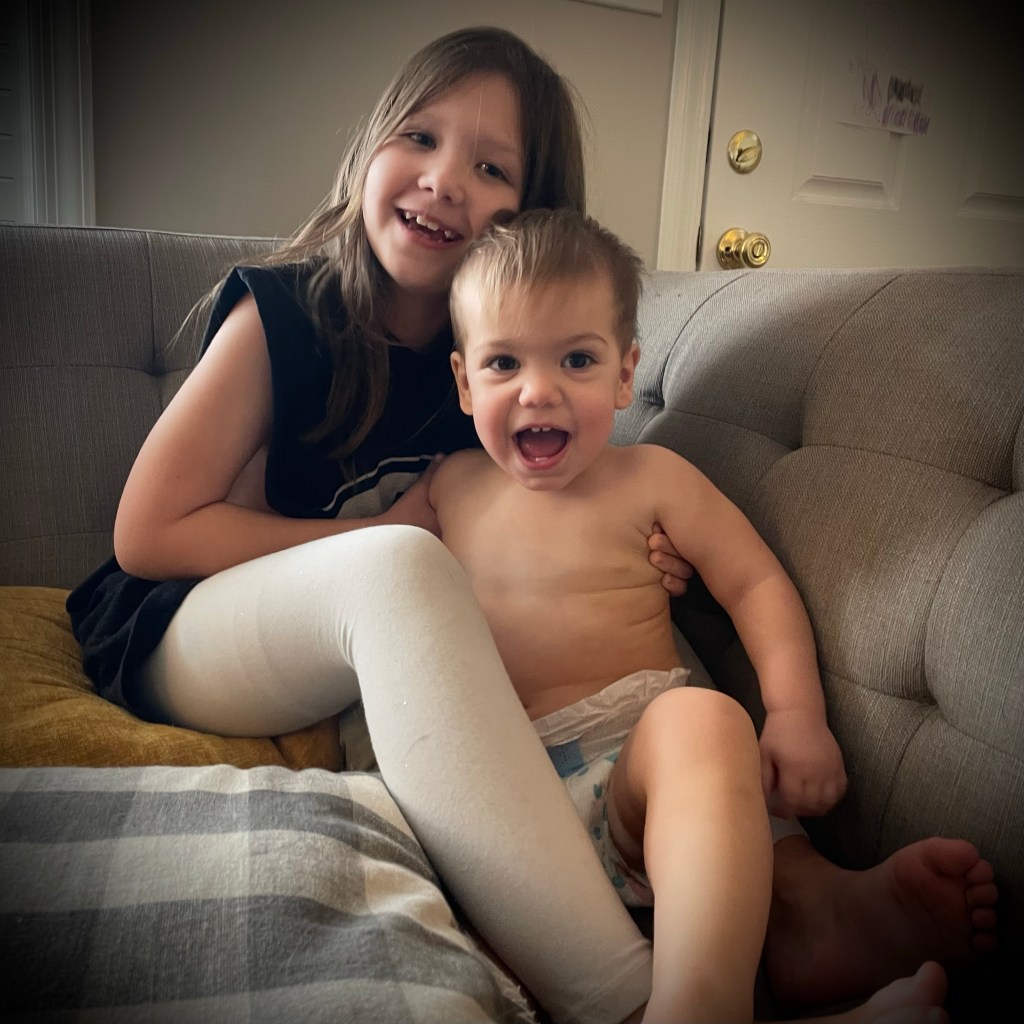
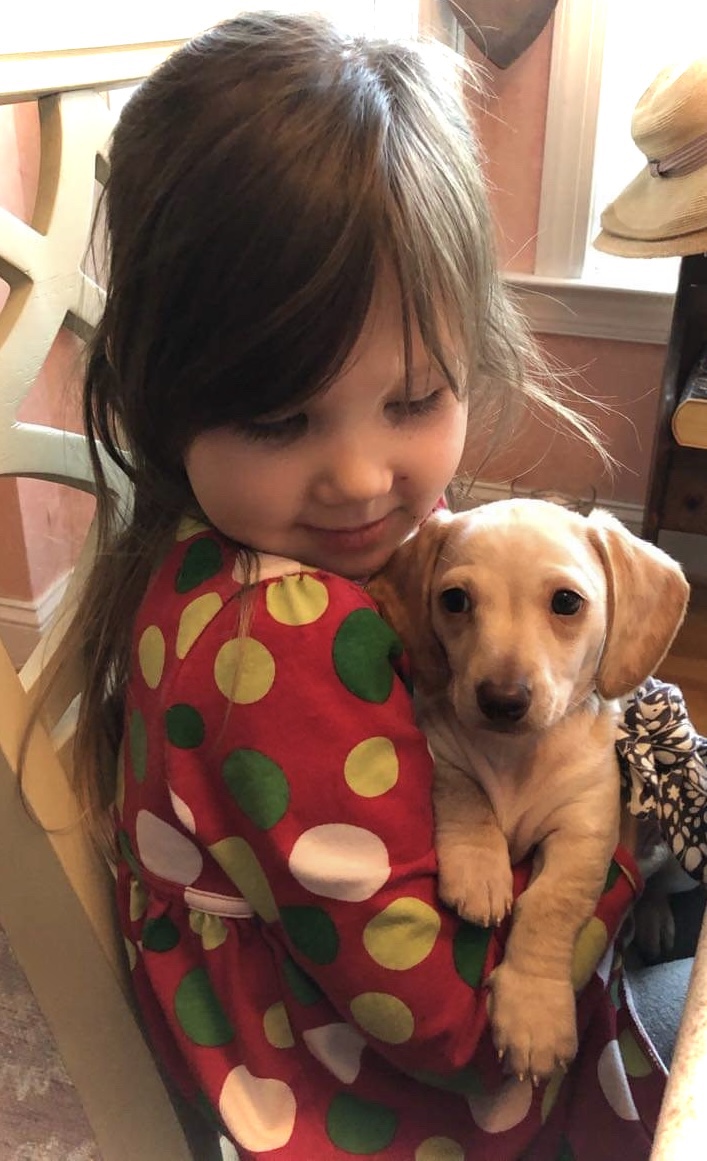
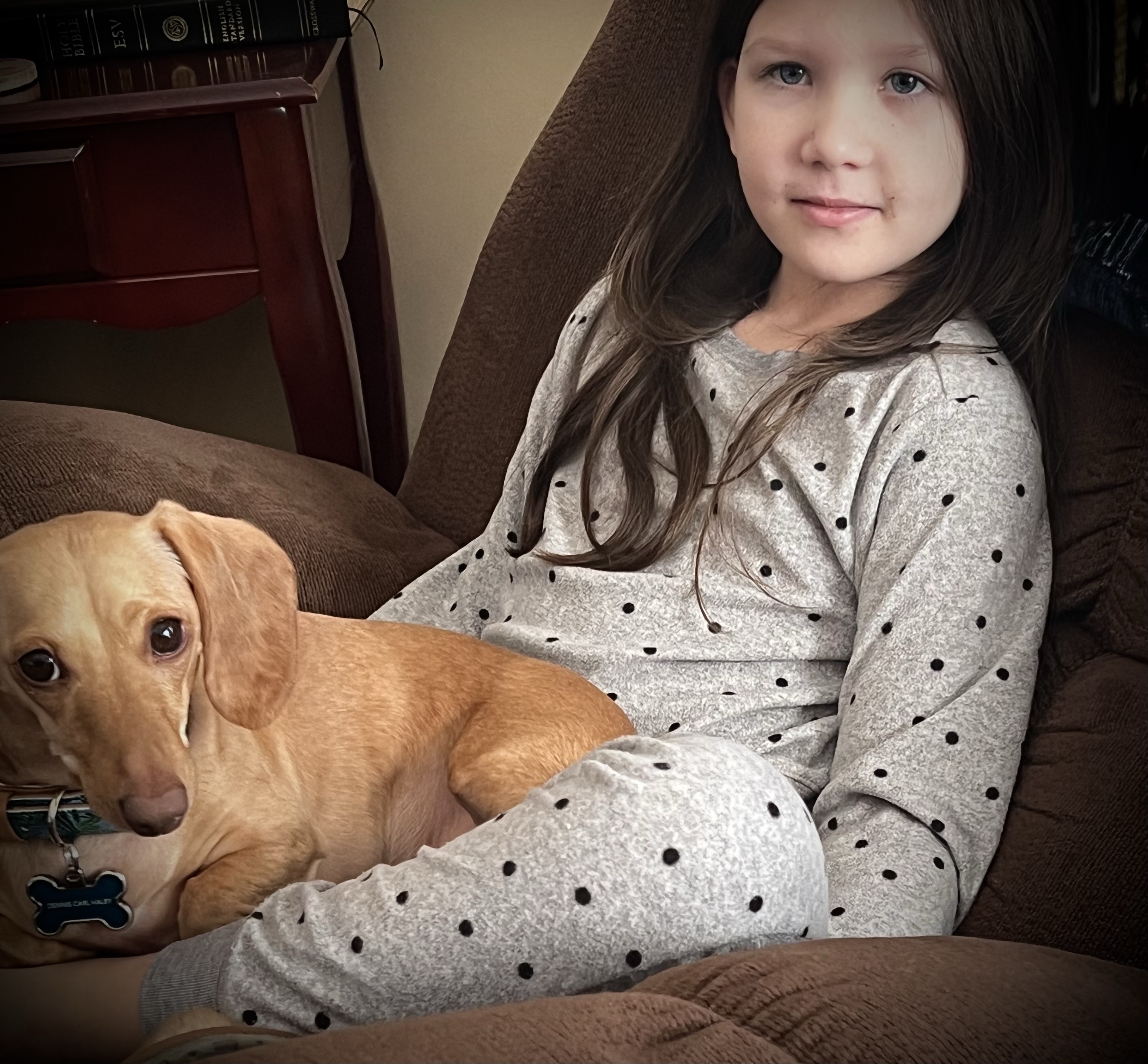
Play with children as often as possible.
(Left: Scout, age 4, Dennis, 7 weeks. Right: Dennis, age 3, Scout, age 7)

Whatever it is you want, give it your best shot. Never give up!

*******

dedicated with love to Joanne Emery, who’s been asking about Dennis

& with thanks to:

poet Mary Oliver, who loved dogs

Two Writing Teachers, for the monthlong Slice of Life Story Challenge

and Dennis, for brightening my every day with his wild and precious life

X-ray expert

Here’s a story about my oldest granddaughter, then age five, told to me by her parents (also known as my son and daughter-in-law).

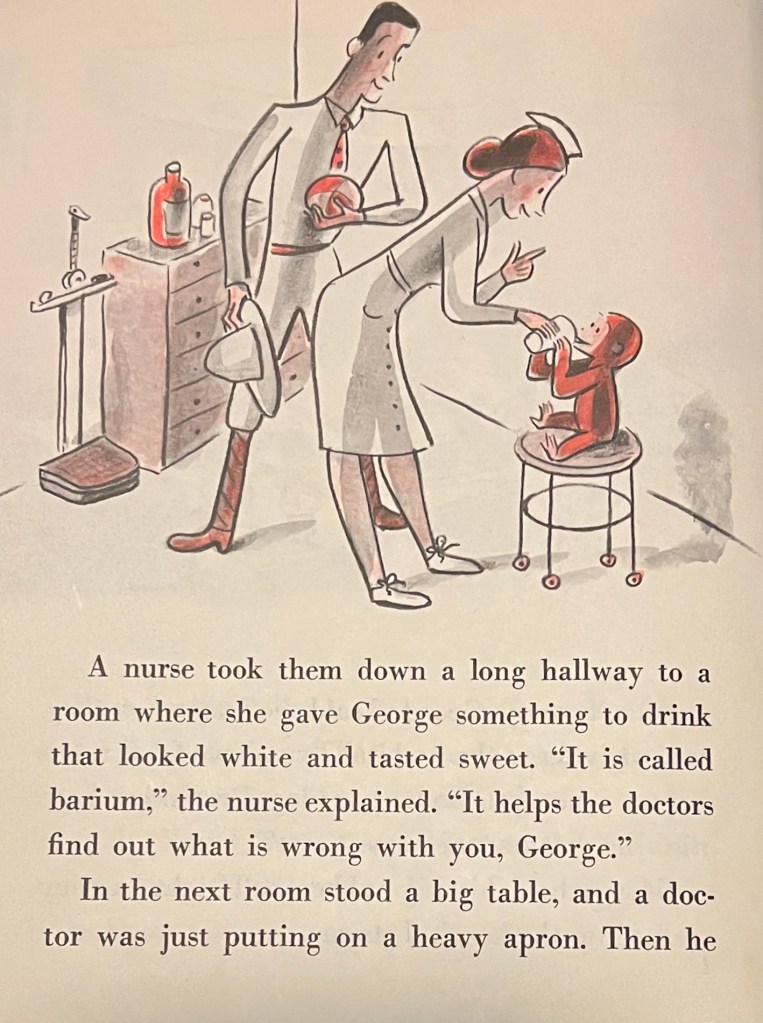
One night while watching the game show Jeopardy! an answer came up about a substance to be swallowed before a certain kind of X-ray.

Our then-kindergartener instantaneously responded: “What is barium?”

Which is correct.

“How do you know that?” asked the astonished parents.

“It’s in Franna’s Curious George book,” said my granddaughter.

And so it is. I’ve read it to her countless times.

George being prepped for an X-ray after swallowing a puzzle piece in Curious George Goes to the Hospital,
Margret and H.A. Rey, 1966.

She never tires of this book and asks me to read it to her even now when, at age seven, she can read anything she wants on her own. My son once found one of his theology books in her bed.

I recall that that one of the greatest Jeopardy! champs of all time, James Holzhauer, said that he prepared for the show by reading children’s books in the library: “I don’t know why more people don’t do it.”

My little X-ray expert’s future looks so promising.

Lord, let me be here to see it.

*******

with thanks to Two Writing Teachers for the monthlong Slice of Life Story Challenge

Wall on the writing: a scrambled idiom poem

On the last day of Ethical ELA’s Open Write, host Denise Hill offered this invitation:

“Take a metaphor or idiom and reverse it or twist it up in any which way you choose – mumbo jumbo jam it!

Then write from the ‘sense’ the new phrase makes. It may be total nonsense. That’s perfectly fine! It may provide a ‘feeling’ or strike a memory chord or a fantasy chord with you in some way that inspires your poem today. Just go with it!”

Here is what came of my scrambling the writing on the wall

The Wall on the Writing

In prehistory
cave-dwellers
dipped their fingers
into animal fat
charcoal
their own earwax

then dirt and ash

to paint their stories
on the walls
by flickering torchlight

over time
many caves
collapsed

to be reabsorbed
by the earth

In the course 
of human migration
the region of the caves
became a fortified city
with iron gates
and great stone walls

one of which
was constructed
over the buried caves

It is said that at this wall
the great orators
gave their mighty speeches
humble petitioners
made their prayers
poets composed their epics
chroniclers penned histories
and storytellers
found their words

I do not know
if the wall 
or the legends
are real

but I do know
that when I
hit a writing block
that I cannot
go over
around
or through
if I dig
deep
deeper
deeper still
within

I will find
the words

just human DNA
finding its way
with story
waiting 
deep
deeper
deeper still
beneath the wall
on the writing

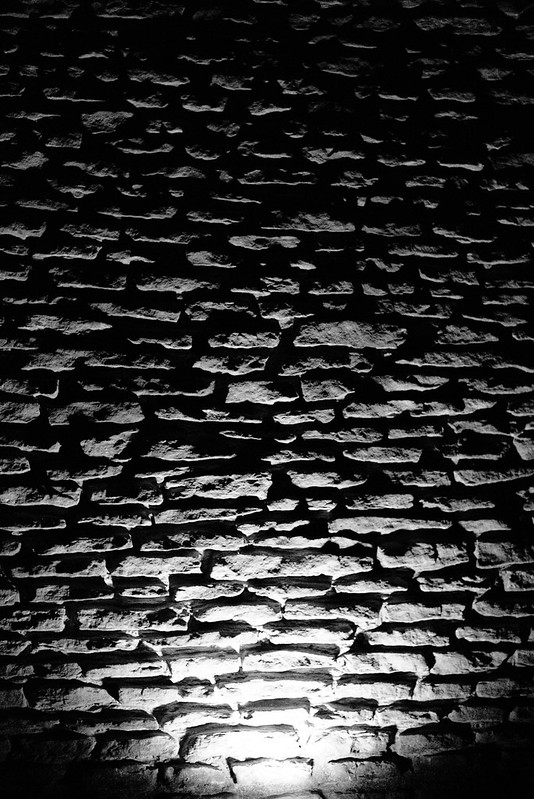
Stone Wall. jcubic. CC BY-SA 2.0.

with thanks to Denise Hill and the Ethical ELA Open Write community

and Two Writing Teachers for the monthlong Slice of Life Story Challenge

for story really is

in our DNA

Vagabond

a memoir poem

Driving along 
a deserted road
in a deluge
in the dark
my hands gripping 
the steering wheel
for dear life

I see him
in the headlights
there, ahead
on the right

standing, bent,
in the sheeting rain
thumb held out

—how can I
not stop?

Rain beats
the car roof
like a drum
as he flings open
the door and
slides into the
passenger seat.

“Thanks,” he says.

He’s wearing 
layers of clothes

a sodden cap
over straw-like hair

sporting
a scraggly beard.

“Sure,” I say.
“Where are you going?”

He looks at me
for a peculiar moment:
“The better question is
where are YOU going?”

His eyes
(maybe it’s just my 
overactive imagination)
are silvery
in the darkness.

“H-h-home,” I stammer.

“Then I’ll ride as far
as you’re able to
take me,”
says the stranger.
“How old are you,
anyway?”

What does it matter?
“Eighteen,” I say.

“You mean
that you have lived
to be eighteen
and no one
has told you
not to pick up
strangers?”

I blink.

“It’s raining…it’s
such a bad night…”
I start

but as I speak
I can hear
Grandma’s voice
reading a favorite 
book to me
when I was small
(Never Talk to Strangers!)
and what 
she always says
at our parting:
Take care of your
precious self…

he finishes:
“It could be
an even worse night.
You don’t know
what some people
might do.
There are a lot
mean people
in the world.
It isn’t safe
for you to
stop alone
like this.
If you let me off at
the next intersection,
it will be enough.”

I blink.

I drive on
to the next 
intersection,
a well-lit place
where he opens
the door:

“Thanks for
the ride.
But don’t 
pick up 
any more
strangers,”
he admonishes.

The lights change
a horn blares
I’m only dimly aware
for watching
open-mouthed
as the vagabond
absconds
into the
rain-cloaked
night.

I blink.

Now I see him
now I don’t

as I take
the last turn
for home.

Lonely Highway. Colby Stopa.  CC BY 2.0.

*******

with thanks to Katrina Morrison for the invitation to write a “Seeing the stranger” poem on Day Four of the Ethical ELA OpenWrite

and to Two Writing Teachers for the monthlong Slice of Life Story Challenge

and to the vagabond hitchhiker
whose advice I have heeded
ever since


Unfare

a slice of memoir

I am standing with Aggie Ray at the bus stop. I don’t know why we are here or where we are going. Aggie Ray, big as a mountain with black hair parted in the middle and a face like a storm cloud, has brought me here. We had to walk a ways and I’m tired but one thing I know: don’t whine to Aggie Ray. She’s my babysitter and, somehow, my relative, but I am not sure how. She is keeping me while my parents paint the house they just bought, near the school where I will go to kindergarten in September.

I do not know when is September. I know it is summer now. The sidewalk is hot and Aggie Ray’s face is red like a rose, and sweaty. Still. Storm cloud. Warning.

I am not the only kid she keeps. There are others but they’re all bigger and they run around and sometimes knock me over. I try not to cry any more because Aggie Ray just calls me a crybaby. She shames me in front of the others for not being able to tie my shoes. And for other things…

Daddy says she sometimes eats a stick of Blue Bonnet margarine for snack and I have tried to watch to see if that’s true but I haven’t seen it yet. I don’t want to get in more trouble.

But today it’s just Aggie Ray and me when the bus pulls up with its loud WHOOSH and nasty exhaust. I gag and cover my nose; I am funny about smells but I remember Aggie Ray and pull my hand down.

It’s a good thing, too, because just then she grabs hold of my hand, bends low, and looks at me with them dark eyes that feel like knives although they aren’t even touching me. She growls: “When we get on this bus, you tell them you’re four years old.”

She’s made a mistake. I had a birthday not too long ago.

“I’m not four. I’m five now,” I tell her, but she squeezes my hand, hard.

“I don’t care. You tell them you’re four, hear me?” she hisses, as the bus door folds open.

I can’t help it.

I start to cry.

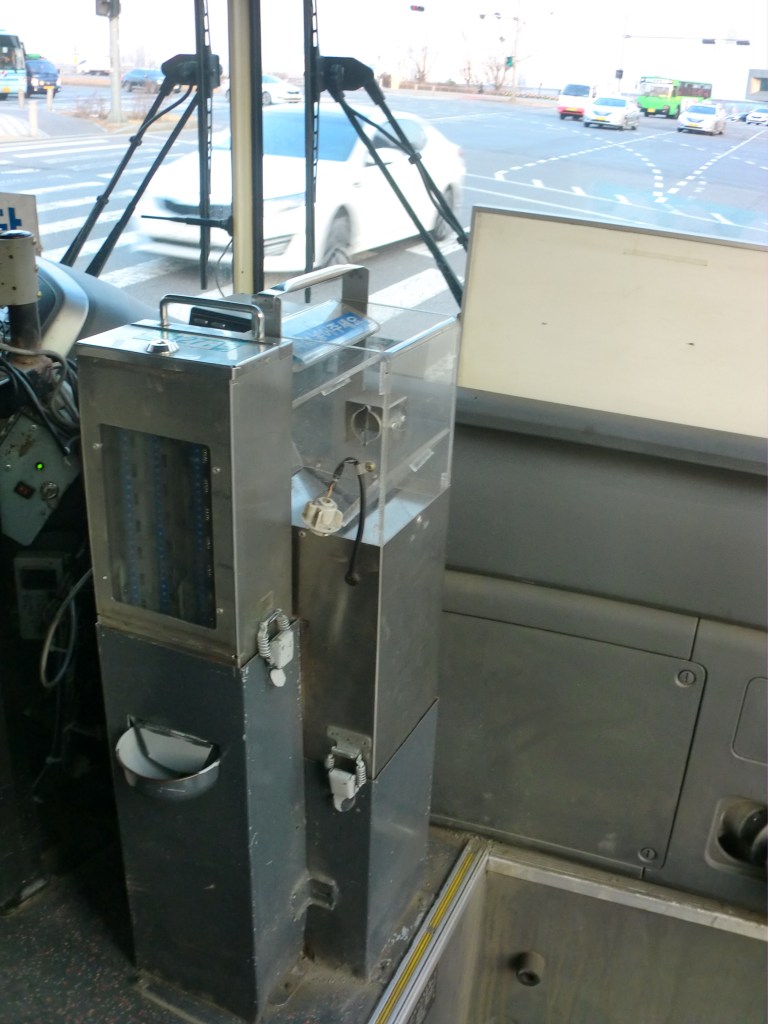
She hauls me up the steps and drops her fare in the box, as the bus driver says:”Well, now, what’s the matter with you, little girl?”

Oh, I can feel the steam coming from Aggie Ray’s big body and the power of her big, hard hand.

I am just so proud to be five. I don’t want to say I’m four.

It’s a lie.

And so I blurt it out to the friendly-faced driver…

“I AM FIVE.”

Gimpo bus fare box. Wikipedia Commons. CC BY SA 3.0

Suffice it to say I survived.

I realize now that Aggie Ray didn’t want to pay my fare; riding was free for four and under. And I wasn’t much past four.

I still don’t recall where we were going, or why, only that I was being told to lie. Usually kids have to be taught to tell the truth. I really was so proud to be five. To have to say I was four seemed more shameful than not being able to tie my shoes, or the other things…

I have no remembrance of a consequence. It is best. Aggie Ray is long gone now. She did have redeeming qualities, as well as a difficult life. Last time I saw her, she was ill and frail, but she came to hug me with a big smile.

Perhaps it’s unfair that this is my clearest childhood memory of her.

But it was unfair to me, and I knew it even then.

Perhaps I should say “unfare.”

Be that as it may… fare-thee-well, Aggie Ray, in your final destination.

I didn’t use your real name.

I didn’t think it was fair.

*******

with thanks to Two Writing Teachers for the monthlong Slice of Life Story Challenge

Taking stock: my pile of good things

*******

With thanks to Stef Boutelier for the “pile-poem” form and Canva template on Day Two of Ethical ELA’s Open Write.

Thanks also to Two Writing Teachers for the monthlong Slice of Life Story Challenge.

Life IS a challenge. The greatest. For writing inspiration, Stef quotes author Rainbow Rowell:

So, what if, instead of thinking about solving our whole life, you just think about adding additional good things. One at a time. Just let your pile of good things grow. 

What might your “pile of good things” be?

Sleep experiment poem

This is not what you think.

The poem you’re about to read is not about a sleep experiment.

It is an experiment in writing a poem about sleep, using Artificial Intelligence (AI).

On Day One of Ethical ELA’s OpenWrite, host Stef Boutelier invited participants to try AI for creating or modifying a poem, stating that “AI is here to stay. We might as well learn alongside and make sure our humanity isn’t disposed of too quickly.”

She shared these sites with the directive to “explore ways you might use, learn, or negate AI within the lens of poetry”:

So, as a test of AI vs. human creativity, I used the poem generator to write a villanelle.

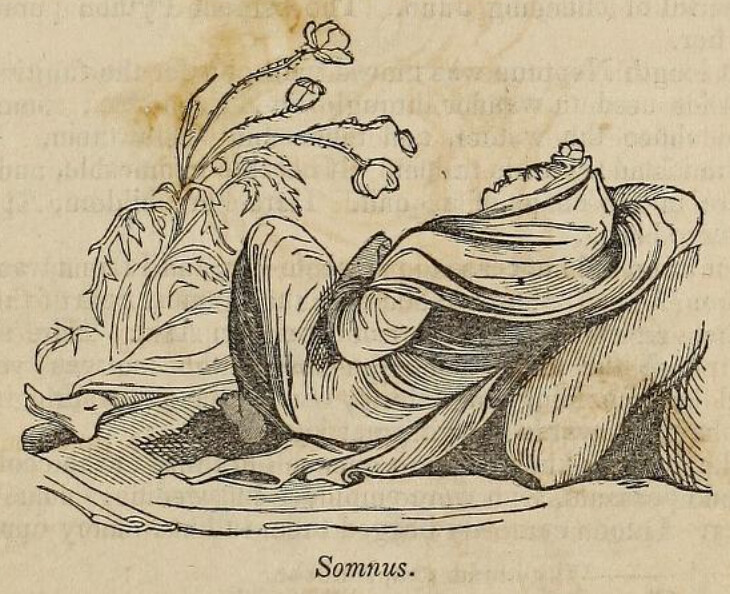
My topic was sleep (I am coveting it in the throes of getting over a lengthy cold, going into week three) and as I was prompted to choose two characters, who better than Somnus and his son Morpheus, gods of sleep?

Confession: I did alter a few of the rhyming words but that is all…

Without further ado, the experiment results:

Somnus’s Torment: The Villanelle of the Sleep

Somnus couldn’t stop thinking about the sleep
It was just so elusive and desired
But he could never forget the sheep

That morning, Somnus was shocked by the upkeep
He found himself feeling rather wired
Somnus couldn’t stop thinking about the sleep

Later, he realized that the sleep was deep
He thought the situation had become rather uninspired
But he could never forget the sheep

Morpheus tried to distract him with a leap.
Said his mind had become too misfired
Somnus couldn’t stop thinking about the sleep

Somnus took action like a veep
The sleep was becoming required
But he could never forget the sheep

Somnus’s demise was cheap
His mind became dangerously tired
Somnus couldn’t stop thinking about the sleep
But he could never forget the sheep

And there you have it.

Give me “Do not go gentle into that good night” any day.

This is not to say that AI can’t inspire or help with learning form and composition. In fact, its greatest offering might be a lesson in the power of revision.

And while it can actually generate some alarmingly wonderful things, I don’t think AI can ever out-poet the human mind.

I shall have to write my own villanelle now…but I won’t be using AI.

Has it ever seen or heard the birds? Has it ever smelled cut grass or felt the heartbeat of a living creature? Can it experience anything?

No.

Here’s to using the senses and the soul to capture the experience of being alive. Is this not the whole purpose of writing?

Meanwhile, sleep is still calling me…

*******

with thanks to Stef Boutelier on Ethical ELA
and to Two Writing Teachers for the monthlong Slice of Life Story Challenge

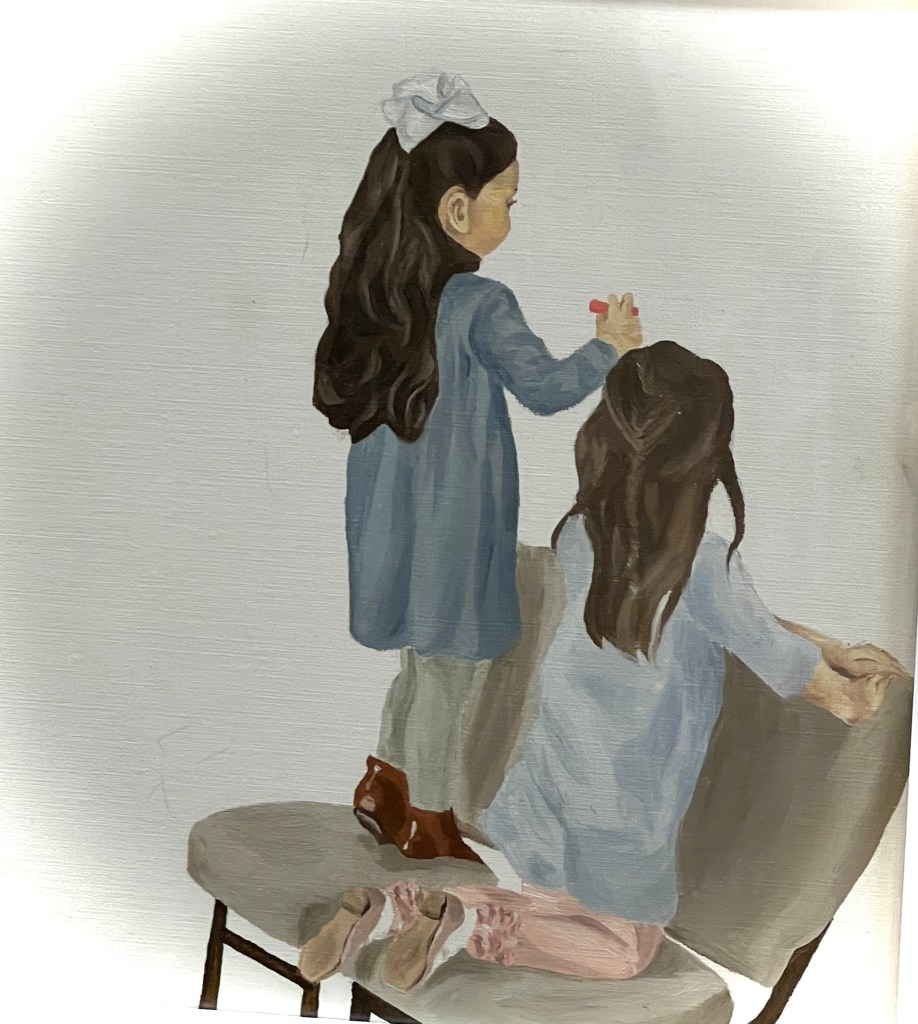
Remember these days

Remember these days
write them on your hearts always
little beloveds

Sunday Friends, painted by my daughter-in-law, on display at the local art gallery.
My husband purchased it for his study at church.
Our granddaughter is on the right.

******

with thanks to Two Writing Teachers for the monthlong Slice of Life Writing Challenge

Quotable Patrick

And so this festive feast day rolls ’round again, leaving me pondering my (supposed) green roots.

I grew up wearing green on this day just so I wouldn’t get pinched at school.

We weren’t Catholic, so for a long time I didn’t understand the history of saints and feasts.

I did understand leprechauns, however, because I loved books of legends, lore, and mysterious creatures.

The generations before me were Protestants hailing from rural eastern North Carolina, and despite my ancestry of Rileys on one side and Mayos on the other, our Irishness wasn’t discussed.

Except.

I write about this every year: My Granddaddy’s middle name was St. Patrick.

For real.

He didn’t love it at all (being a Methodist, or… because that’s really odd?) He had it legally changed to the initial S. in my lifetime.

But my aunt Pat was already named for him.

When I was a young adult, my dad tried to trace the Irish family line, maybe in search of a reason for this peculiar name choice borne by his father (whose brothers mostly had Biblical names like James, Hosea, Job Enoch, Asa…). And Granddaddy’s rustic accent bore traces of Elizabethan English: His brothers Hosea and Asa were Hosey and Acey; a neighbor, Etta, was Etter. Listen to Brits pronouncing Diana today and you may catch it: Dianer.

In short: All I can recall from my dad’s research is a convoluted story without a clear end.

But.

I did hear Granddaddy mention his grandfather speaking of Dublin. Just once, long, long ago.

Nowadays, with all of them gone, I am left to wonder, except that my DNA report says my ancestry is 92% British and Irish. As for strongest Irish evidence, County Dublin is listed second; County Mayo, fourth.

I do know that Saint Patrick’s Day wasn’t an official public holiday in Ireland until 1903…Granddaddy was born in 1906, so…hmmm…

All in all, despite the mysteries, I feel an affinity for the ancient Apostle of Ireland and his Christian ministry. My grandparents were devout salt-of-the-earth people. I am who I am largely because of their faith, their prayers. My husband and oldest son—with a surname tied to an ancient Irish family seat—are ministers.

That’s enough green threads for me to honor the day with a few favorite quotes attributed to the saint. There are prayers that I find profoundly beautiful and worth meditating upon, every day.

But I’ll leave you with these little pearls that make me smile:

Never trust a dog to watch your food.

May the light always find you on a dreary day.

We cannot share this sorrow if we haven’t grieved a while. Nor can we feel another’s joy until we’ve learned to smile (#WhyIWrite).

And from one of my life’s verses, Psalm 46:10:

Be still and know that I am God. Be still and know that I am. Be still and know. Be still. Be.

I shall, Saint Patrick.

I shall.

Honestly, Granddaddy did resemble this a bit, sans beard.

*******

with thanks to Two Writing Teachers for the monthlong Slice of Life Story Challenge

Pursuing knowledge

During the sermon she bends over her notepad, writing down unfamiliar words so she can look up their meanings later:

These are my oldest granddaughter’s notes while listening to my son preaching.

She is seven years old.

In a word: awe.

*******

with thanks to Two Writing Teachers for the monthlong Slice of Life Story Challenge

and to my daughter-in-law
for sharing the photo and the story behind it