On letting things go

At Sharing Our Stories: Magic in a Blog, Ruth Ayres shares this quote:

I realize there’s something incredibly honest about trees in the winter, how they’re experts at letting things go. —Jeffrey McDaniel

She goes on to offer this reflection and invitation:

I like the thought of honesty in letting things go. 

Do you believe this is true? If so, how will you live today?

As I contemplate these questions, my mortuary-apprentice son is counting the number of death calls, services, and cremations he’s attended to this year.

Sooner or later comes a time of having to let things go.

Seems if we are wise, we choose before that time. A shedding, of sorts.

For in daily living there are worlds of difference between minutiae, minutes, and moments.

As much as I can, I choose moments.

As in the final words of Shakespeare’s Sonnet 73: To love that well which thou must leave ere long.

In the treetops

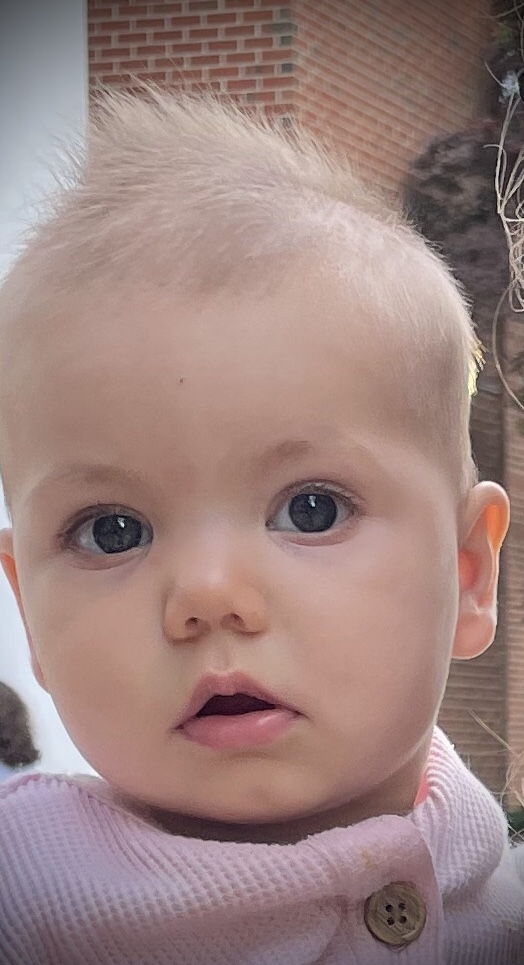
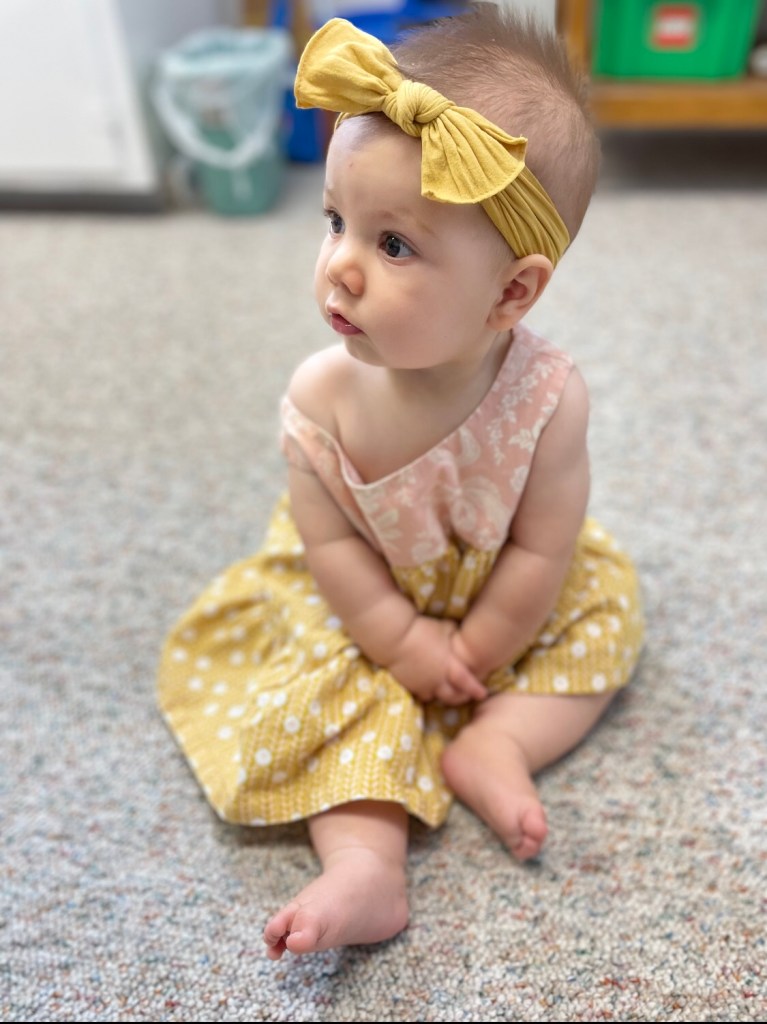
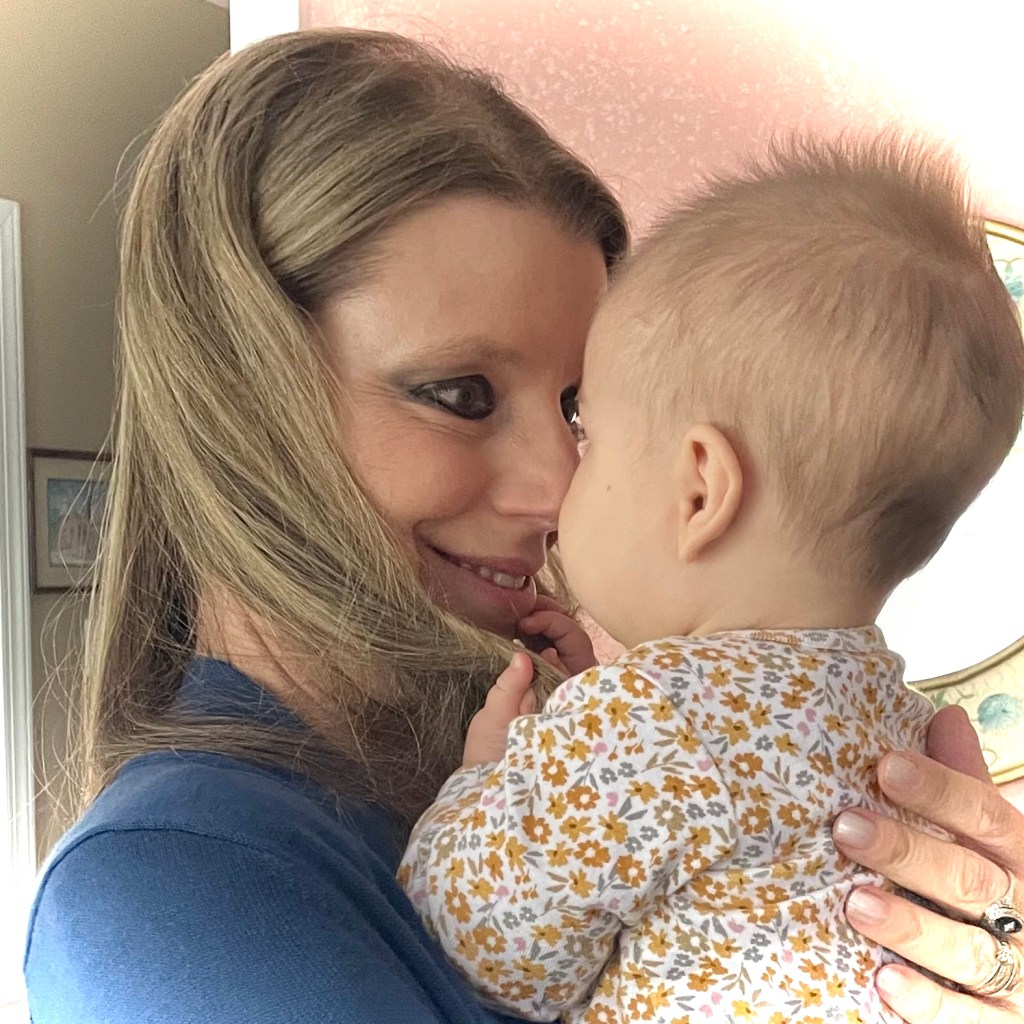
Today I kept you
and you cried because it’s new
so we went outside

to see all the trees
you touched the green leaves sweetly
with your baby hand

and you looked up high
at the pines rattling with song
cicadas, at last

first time this season
oh how I love their comfort
oh how I love you


Spiritual journey: Celebrating small things

Today’s spiritual journey theme is celebrating small things (thank you, Ramona, for hosting our group).

What’s been on my mind all week, however, is the brokenness of things.

I wrote a series of poem-posts on it.

In those posts on the brokenness of things I could have mentioned that the incalculable horror, loss, and grief in Uvalde still weigh heavy on my heart each day, that I mourn the state of humanity and the inability to spare children. I could have mentioned that this school year, another chapter in the continuing saga of COVID, has been the hardest yet on staff, students, and families. I could have mentioned my despair over diametrically opposed viewpoints about what’s best for students and how some educators cannot get beyond deficit thinking to see the wealth of creative and artistic gifts in the youngest among us…

I wrote instead about being a child. About breaking my arm on the school playground when I was nine. About fearing my father’s anger and being surprised by his gentleness. In an effort to comfort me he brought one of my dolls along to the orthopedic office. It embarrassed me. I felt too old for the doll. Maybe it was more a matter of not want anyone else to think I still played with dolls. Yet the gesture touched me, even then. To this day the memory of my father holding that doll, shouting at the orthopedist to stop when I screamed during the bone-setting, is one of the most indelible images of my life. There my father stood, unable to spare me more than a moment of the suffering I had to endure. I could see the intensity of his own suffering. It was written all over his pale, fierce-eyed face. His presence and the knowledge of his pain on my behalf somehow breathed a waft of courage into my terrified heart. This little stirring of courage would sustain me through a subsequent hospital stay when the bones in my arm slipped and had to be reset. It would prepare me to visit a five-year-old boy with a crushed foot across the hall as he screamed in pain and terror. It would beget empathy: me there in my wheelchair with a cast halfway to my shoulder and him in a hospital bed with crib rails, his poor damaged foot heavily bandaged and raised on a suspended sling. United in common suffering, we would find a glimmer of overcoming, in the very midst of our brokenness.

That is the thing about children. Before there are even words to express, there are keen understandings. Children are natural ambassadors of healing. They instinctively seek to comfort. Their native language is love.

I realize, now, what I was longing for when I went back to those childhood moments.

The spiritual journey is littered with broken things, broken people, broken self. I remember wondering how that little boy’s crushed foot would ever heal. At nine I imagined the bones in countless pieces and couldn’t conceive of how doctors could repair that much disconnectedness. I wondered if his foot would ever be okay…but I knew, somehow, he would be.

Which leads me, at last, to the Great Physician. Who, like my father, intervened on my behalf to alleviate my suffering, and who, unlike my father, is able to provide more than momentary relief.

I’m not sure yet if I’m done writing about the brokenness of things but here’s where I finally pick up the path of celebration. I celebrate the sustaining gift of faith. I celebrate the memory of my father, gone for twenty years now but so alive and active in my memory. I celebrate that the school year is now ending, that a desperately-awaited respite has arrived. I celebrate children.

It occurs to me that none of these are “small things.”

So, here is one: I celebrate the musicality of children.

For on the most hellish of days, when I hear them singing, I remember heaven.

For the kingdom of God belongs to such as these… Luke 18:16.

Salvador Dalí – Los niños cantores (Children singing) 1968. Cea. CC BY 2.0
The brokenness of things: 2

part of a story-poem memoir, when I was nine

I never heard
of an orthopedist
until my father
takes me
after the fall
on the playground

and why has he brought
my Baby Ann doll

her plastic fingers
and face
look more smudged
than ever
in the glaring fluorescent light
of the exam room
where I sit
too embarrassed
and in too much pain
to say
I am not eight anymore
I am too old
for dolls now

the orthopedist
looks grim
while surveying
X-rays
of my poor left arm
against the light

not broken
in the typical place

an injection
for what’s about to come

it does no good, really

the orthopedist
braces himself
against the table
grips my damaged arm
with both of his hands

and pulls
and pulls
and pulls

my feral scream
comes of its own accord

that’s when Daddy
cries out

STOP. STOP.

— the orthopedist stops
he wipes his forehead

Daddy is pale
so pale
his blue eyes
animal bright

(in later years
he will say
I couldn’t stand
that man

but I knew
in the moment
he could not stand
my pain)

he stands there
clutching Baby Ann

who smiles at me
in her plastic way

she cannot help me now
but maybe
she’ll get Daddy through

doll hand. David Lee King. CC BY-NC-SA 2.0

Memento mom-ri

There are
certain advantages
to having
a young son
in the mortuary business

such as when
he tells you
that you really
ought to set up
a “pre-need”
and pay for
your funeral
in advance

or
when he texts you
a picture
of a rose-gold casket
because he thinks
you will love it
(okay, it IS beautiful
—still…)

but most of all
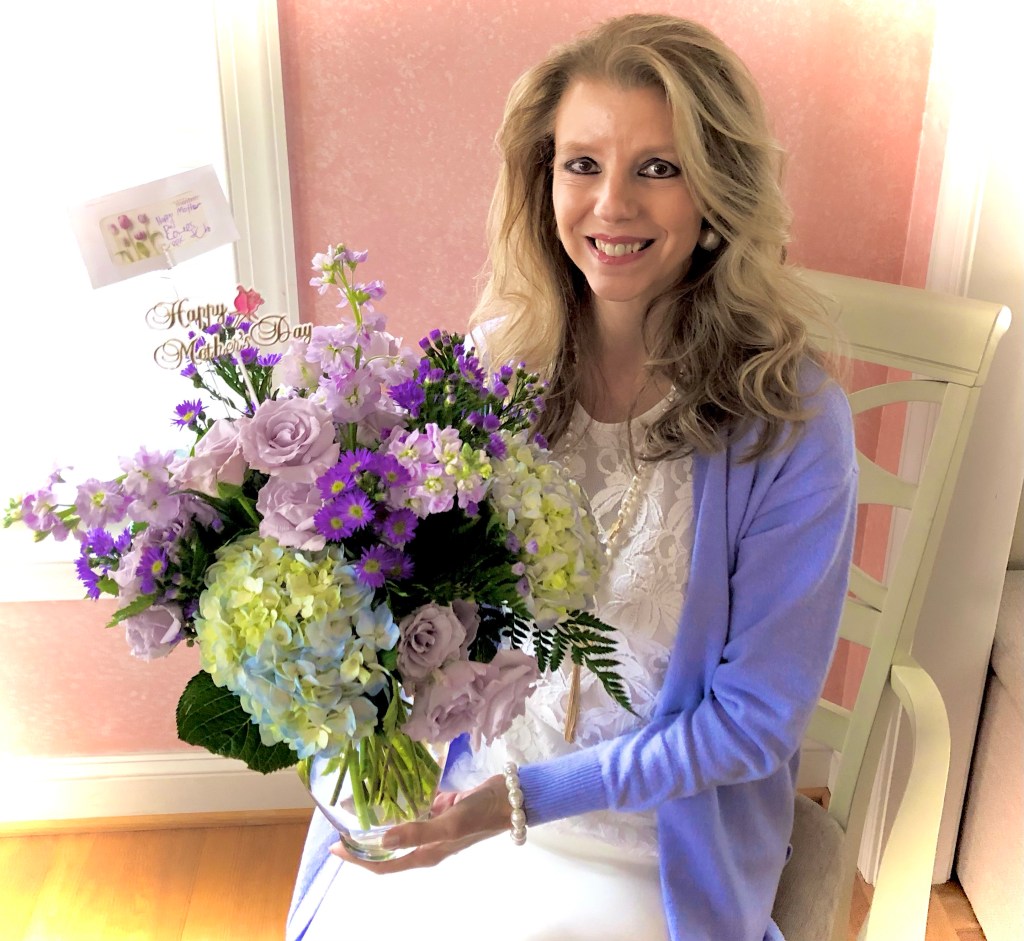
when he brings you flowers
while you’re living

because he
remembers Mother’s Day
and he works
right next door
to a killer florist.

*******


with thanks to Two Writing Teachers community for Tuesday Slice of Life sharing

Walking poem

Today on Ethical ELA Leilya Pitre invites teacher poets to “walk to your place of comfort.” The idea is to take a break, rest, relax, maybe noting things that capture your attention when you’re on a walk, or maybe walking back in time, through memories, or recalling a personal revelation that occurred on a walk. Just walk, poetically.

I love walks and have written of many… today, I meander back through memory to a place of comfort.

Walking with Granddaddy

Sunday afternoon
sidewalks aren’t crowded
no rush hour traffic
clogs the street
just a few cars
stopped at the intersection

can’t walk over to Rose’s
at the corner today
to buy a toy 
like my Slinky
or click-clacks, 
glass amber spheres
suspended on a string
to pull back and hear
that loud CLACK CLACK,
or a powder-blue
sachet ball made of satin
decorated like a lion’s head
with blue googly eyes
and an aqua feather-tuft mane

no, Rose’s is closed today

so is the drugstore
at the end of our row
no chocolate-covered cherries
or Peppermint Patties
or those caramel creams
that you love so

no, today we walk
hand-in-hand
across the street
while cars wait
at the lights

past the fire station
round back of the 
Baptist church

to the playground

you let me climb
the big sliding board
not letting go
of my hand
until I am sitting at the top

you are there
at the bottom
when the sliding stops

you push me in the swing
until my feet touch the sky
I am a bird 
flying so high

until the shadow
of the steeple-cross
grows long on the grass

hand-in-hand again
I watch our feet pass

back over the pavement
crossing the street
each step measured in time
of heart-to-heart beats

—oh, how yours to mine
still talks
so long after
our Sunday walks 

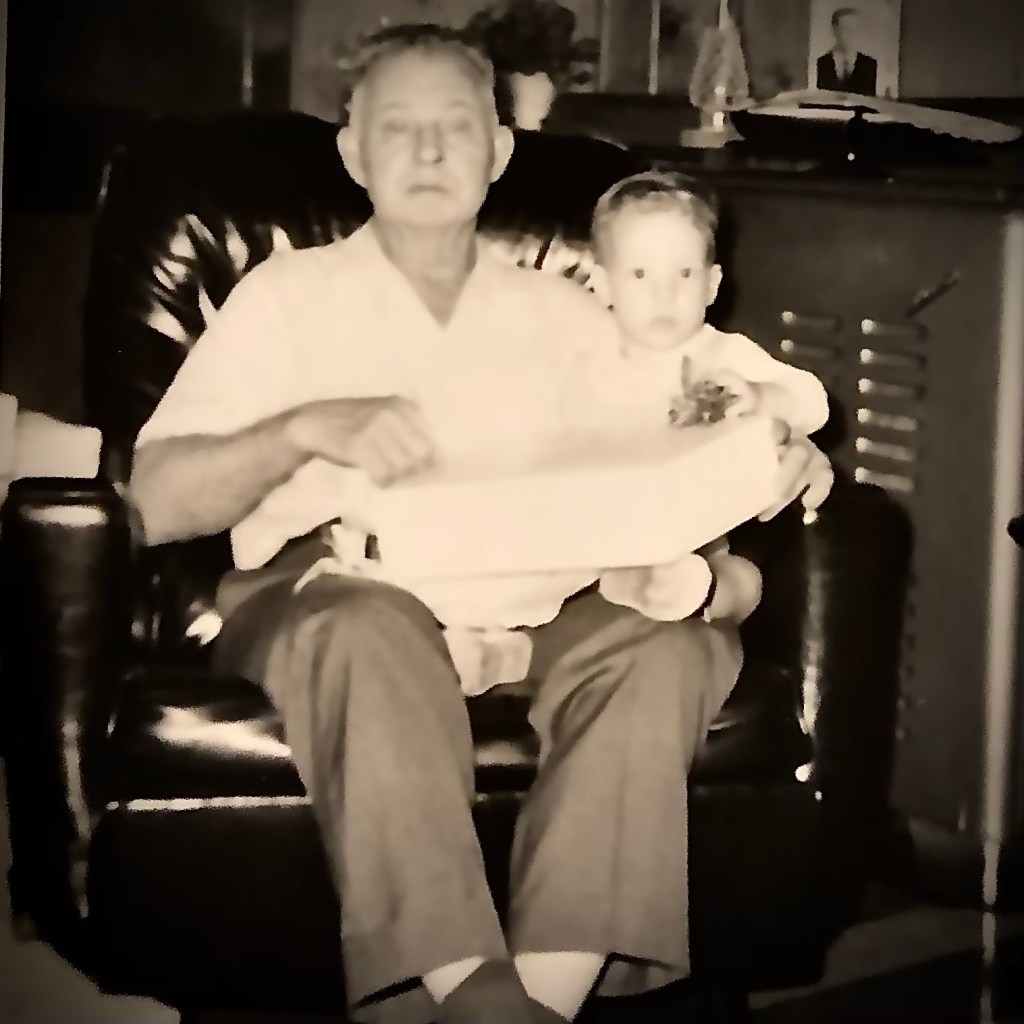
Granddaddy and me on his 61st birthday.
I am two and a half.

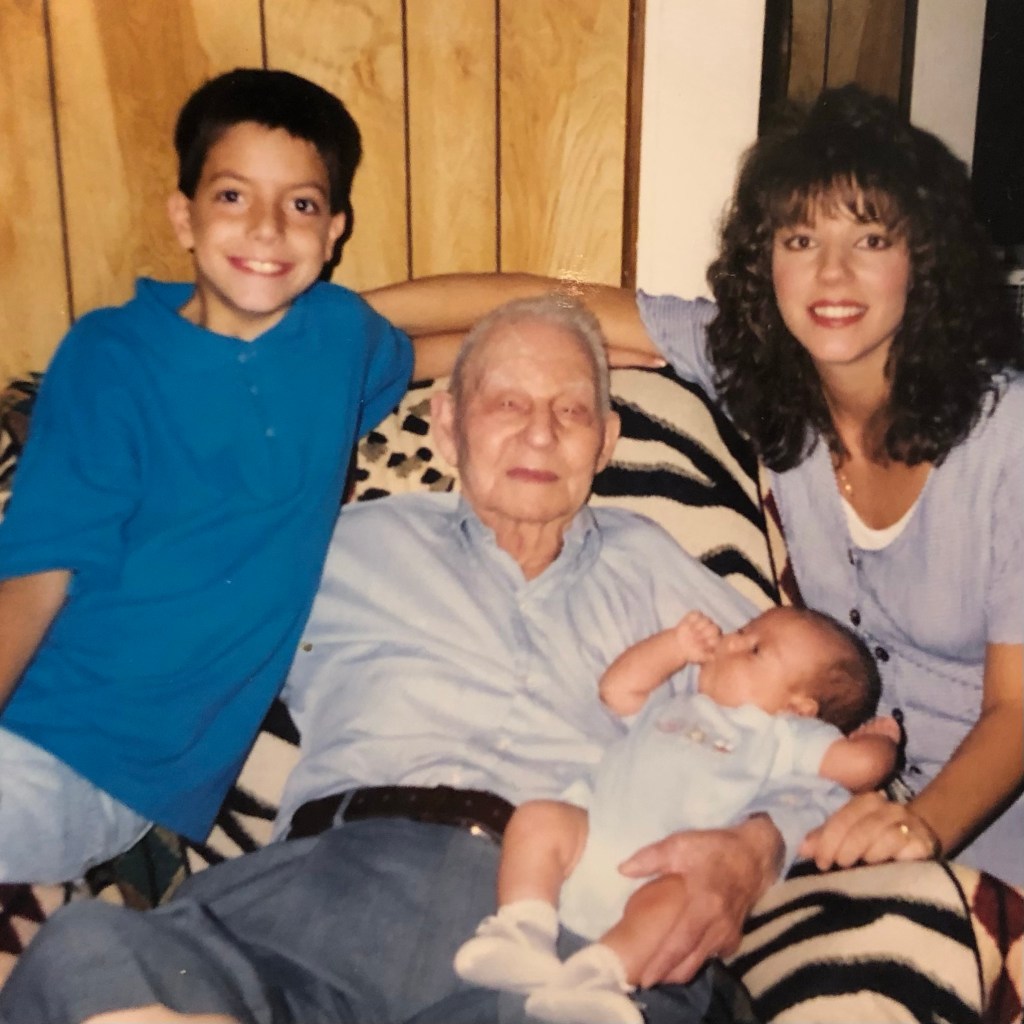
Thirty years later:
Granddaddy with my boys and me, on his 91st birthday,
a year and a half before he died.

He is gone, but never far away.

‘Succinct truth’ poem

Today on Ethical ELA, Maureen Young Ingram invites teacher-poets to compose “succinct truth” poems for VerseLove. The idea is to write about a difficult subject with a message of hope in 10-20 short lines, playing with lack of punctuation and capitals.

Mine’s twenty-two lines but I’m letting it be.

Dichotomies

humans
are a dichotomous race
desperately desiring
dutifully demanding
historically unable
to extend grace
at least
each other-ward

the tome of our existence
a work in progress
pages of pain
penned in blood

some say that babies are a sign
that the world should go on

forgetting that worlds go on
without humans at all

although my dog doesn’t think so

there’s hope
isn’t there
as long as dogs
haven’t given up
on us

My son with his dog, Henry, who surely has a soul
and who loves with his whole dog heart