Memory is…is not

with thanks to Susan Ahlbrand for the invitation to write a “this but not that” poem based on an abstract noun over at Ethical ELA’s Open Write today

Memory is a blanket
of new-falling snow
over barren ground
where nothing would grow

Memory is not static
it is ever-changing
reinventing itself day by day
ever so slightly
around the edges

Memory is sparks
crackling and popping
from the inner fire
in the grate

Memory is not reliable—
it goes its own way,
its own consummation
and consumption,
ashes stirred to life
rolling in the breeze

Memory is a river
life-giving, sustaining, sacred
flowing free until obstructed
necessary and nourishing
yet potential danger for drowning
—you cannot live there, submerged

Memory is not tomorrow
or yesterday

Memory is now

Memory is not a book,
a record carefully preserved

Memory is written in disappearing ink
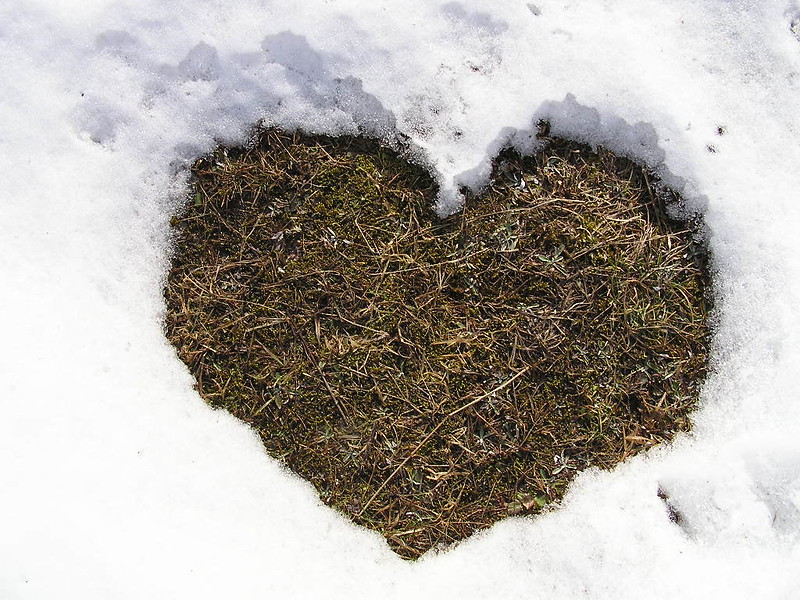
happy snow. tamaki. CC BY-NC-ND 2.0.

Starting a semi-sestina poem

with thanks to Wendy Everard for the Open Write invitation today on Ethical ELA. A traditional sestina has six stanzas and a three-line envoi; the initial six ending words rotate through remaining stanzas in a prescribed order. Today’s process begins with brainstorming six words. For a semi-sestina, one can alter stanzas and lines, exercising creative freedom…

Here are my six words and opening stanza at present. It will take some time to see where they lead…

fabric
scissors
fall
damage
pieces

pattern

Childhood Memory

She spreads the pattern across the fabric
placing the pins. Wielding her sharpest scissors,
she cuts along the grain. The scraps fall
to the floor, haphazard collateral damage.
She will not save the pieces
or remember their wholeness, before her pattern.

Cobbler cutting fabric with scissors. Ivan Radic. CC BY 2.0.

In the place of the sweet trees

with thanks to Denise Krebs for encouraging “multiple languaged” poems for today’s Ethical ELA Open Write and NCpedia for shedding a little more light on name origins…

In the Place of the Sweet Trees

Long ago, the first People knew the river.

They named it for the trees growing there
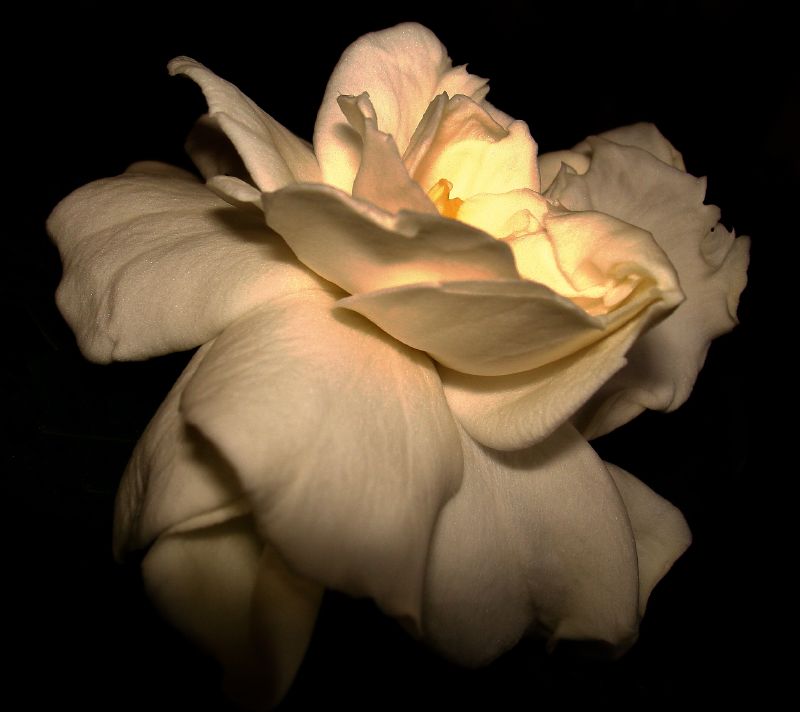
where spice-bark and great white flowers
perfume the air. 

In this place of the sweet trees
along the riverbank
a vine began to grow. 

It bore fruit in the shape
of spheres
of the Earth itself
as yet unknown.

Thick-hulled green-gold
pearls of the vine
that the People named
for the blackwater river
in the place of the askupo,
those heavy, fragrant trees
rooted in swampy soil.

The People, standing in the cool shadows
of the sweet trees by the river,
tasted the askuponong,
the scuppernong,
and understood
the Divine.

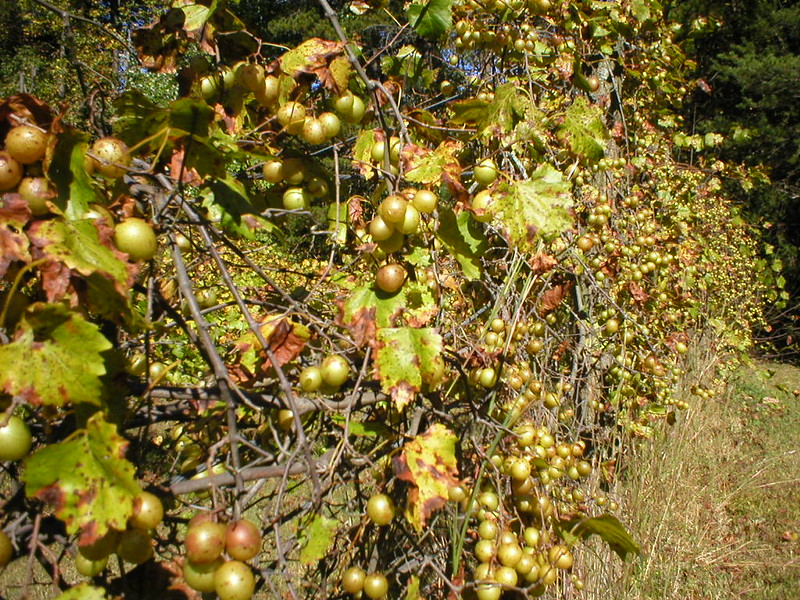
Scuppernongs getting ripe. -Mandie-CC BY-NC-ND 2.0.

Play-Doh poem

If you didn’t know, yesterday was National Play-Doh Day. Thanks to Denise Krebs for mentioning this when she encouraged Open Write participants to pen an ode to a childhood on Ethical ELA…

It smelled so good
so clean
it tasted so terrible
saltier than seawater
it only came in four colors
back in the day:
blue
white
yellow
red
which wasn’t really red
but more of a hot pink
that made a lovely shade
of orange when I mixed it
with yellow
to make a beak
to fit my bright bluebird
with the little yellow nest
full of tiny white eggs
all of which I placed
on the air vent to dry
in the effort to keep them
and love them
forever

KENNER :’I can make anything with Play-Doh.’ (1974 )tOkKa. CC BY-NC-SA 2.0.

September = scuppernongs

I write about them every September: scuppernong grapes.

A dear lady in my church picks them from an old, old vine that belonged to her mother-in-law. She brings the grapes to me, knowing how I love them.

It’s not just the divine sweetness. That’s only part.

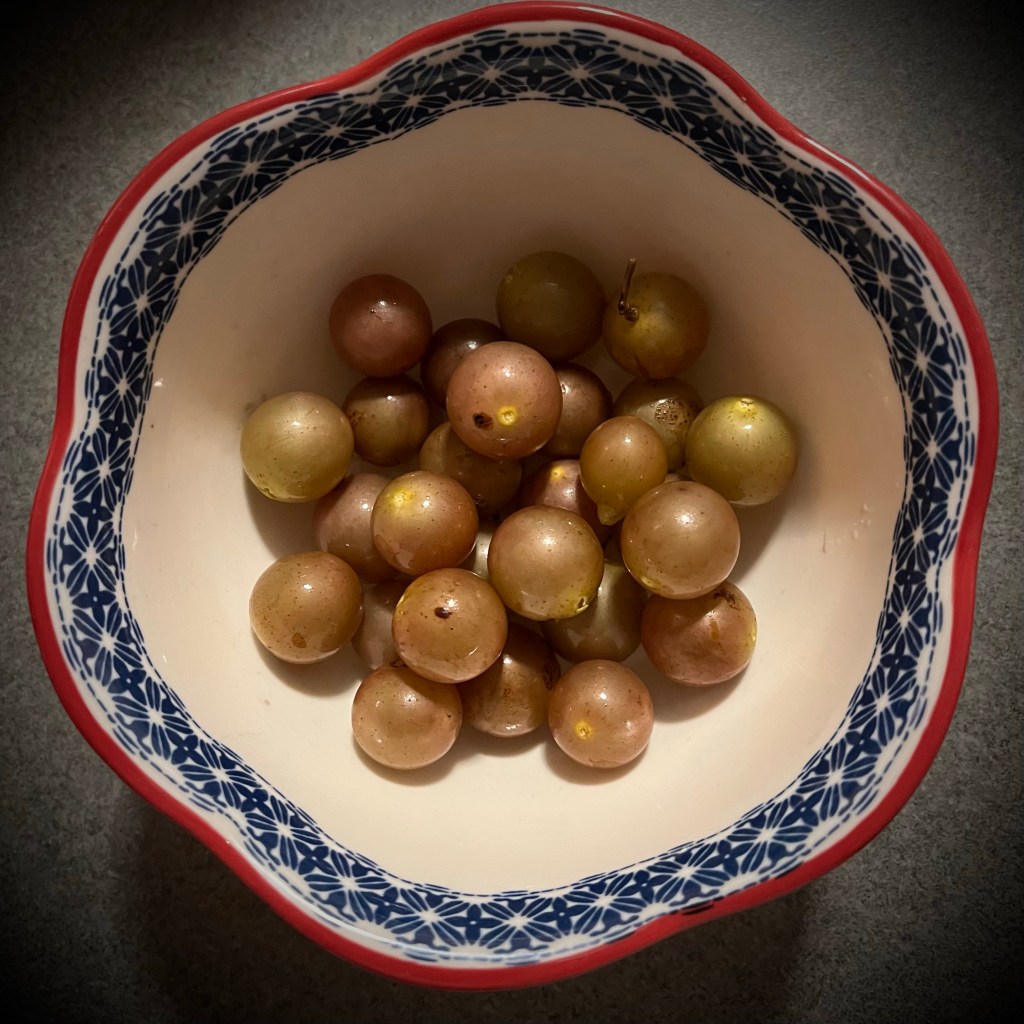
In these thick, green-gold husks are memories as rich and sweet as the fruit itself.

I pop a scuppernong in my mouth, whole, splitting the thick skin against my teeth. Inside the hull lies a cool primordial pulp, a velvety experience…

It is the taste of my childhood, of my grandfather, whose vines grew lush and thick by the ditch bank of his country home. It is the taste of belonging, love, sacrifice, survival. Of wars won, losses mourned, marriages that endured. It is the taste of reward. Of dirt roads, tin roofs, earth as black as night, crops in the fields, glittering with morning dew. Of dense forests, timbered yet returning denser, again and again, still retaining their secrets, bearing silent witness to generations rising and falling. It is the taste of seasons, centuries, epochs in their turning.

I grow older, savoring my children’s children, the sweetest thing I have ever known.

September. The month of my grandfather’s birth and my father’s death. The month of scuppernongs, ever a reminder of my Carolina roots and my heavenly home.

Crows on the cross

Crows, historically associated with death, are highly intelligent birds with powerful memory. In folklore they convene to determine capital punishment for wrongdoers—a murder of crows, apropos. Yet they mourn their dead and will even place small sticks or other objects around a deceased fellow crow, in a sort of funeral rite.

On Sunday morning, crows perched atop the steeple cross at church as congregants arrived. Harbingers of death? Casters of judgment? Consider the cross, an instrument of capital punishment, particularly of someone “who knew no sin” offering himself as a sacrifice for all the wrongdoing of humankind…For God did not send His Son into the world to condemn the world, but that the world through Him might be saved (John 3:17 NKJV); For our sake he made him to be sin who knew no sin, so that in him we might become the righteousness of God (2 Corinthians 5:21 ESV).

So sit the crows
on the steeple cross
a judgment passed
a death sentence cast

yet overturned and overcome
so long ago
—one wonders what the crows know.

Dinnertime guest

He comes to dine each evening
between four and five o’clock
resplendent in his crimson cravat
in an emerald flash, he’s gone
breathless, I await his return

A female ruby-throated hummingbird giving the feeder over to a male: If you look closely, you can see his tongue lapping up the sugar water. A hummingbird’s tongue is forked, like a snake’s, with edges that trap nectar. During my impromptu summer study I’ve learned that males are the minority. They are fewer and never linger as long as females. So many days have gone by without sighting a male that I wondered if they’d all migrated; they are the first to go. Then this fellow began arriving every evening for dinner. He’s quite punctual. I’ve been reading that hummingbirds may not leave my central North Carolina neck of the woods until winter. We shall see… in the meantime, I watch and marvel over nature, its rhythms, its endless curiosities.