Starting a semi-sestina poem

with thanks to Wendy Everard for the Open Write invitation today on Ethical ELA. A traditional sestina has six stanzas and a three-line envoi; the initial six ending words rotate through remaining stanzas in a prescribed order. Today’s process begins with brainstorming six words. For a semi-sestina, one can alter stanzas and lines, exercising creative freedom…

Here are my six words and opening stanza at present. It will take some time to see where they lead…

fabric
scissors
fall
damage
pieces

pattern

Childhood Memory

She spreads the pattern across the fabric
placing the pins. Wielding her sharpest scissors,
she cuts along the grain. The scraps fall
to the floor, haphazard collateral damage.
She will not save the pieces
or remember their wholeness, before her pattern.

Cobbler cutting fabric with scissors. Ivan Radic. CC BY 2.0.
Endurance

inspired by Bible study of James 1:1-12

Crucible:
an earthen container
able to withstand
intense heat until
the precious metal
within is purified,
its imperfect portions
sparking off in the air

comes from medieval Latin
crucibulum
meaning ‘night lamp’
possibly one which hung
in front of
a crucifix

perhaps in
cavernous darkness
on crumbling stone walls
a feeble lantern
reflecting on the last
tangible hope
that weeping endures for
a night
but joy comes
in the morning
whether the current battle
is won
or lost

a flickering halo
in the shadows
where faith responds
while carrying
staggering loss
crushing burdens
utter depletion
still believing
still living by
the stillness in
the soul
still trusting in God
despite all

endurance

there’s holiness
in it

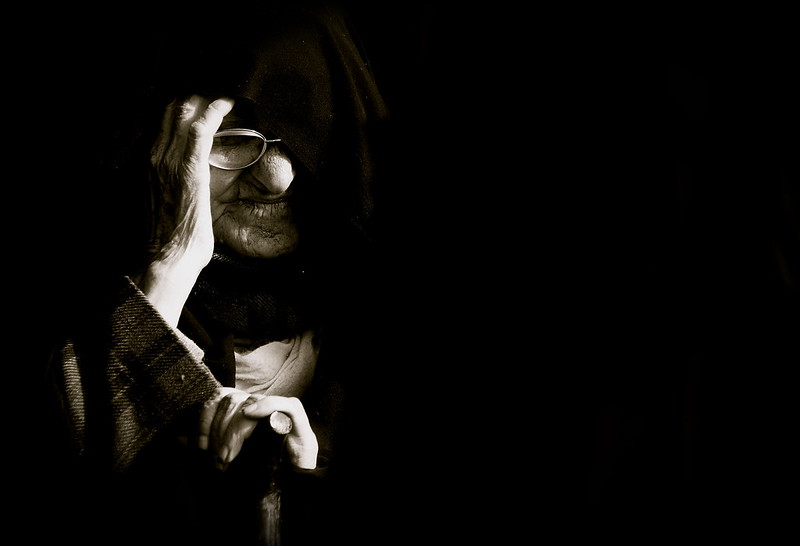
Endurance. Mohammadali. CC BY-NC-SA 2.0.

New Oxford American Dictionary

The way of it

On the first required workday
before school begins
I drive the familiar backroads
once again

dew-drenched pastures
and old weatherboard barns
defy time
they are
their own world

then to my delight
a patch of tangled sunflowers
on the right
must have been growing here
all summer
I didn’t know
I think of Van Gogh
walking the rustic village
of Arles

up ahead, the pond
I scan it quickly
for the great blue heron
and there it is
at water’s edge
nearest the road
big and gray-blue
like a watercolor rendition
so perfect a pose

I feel light
like these are signs
that all will go well
with the work
lying before me

peace becomes strength
in my spirit
in my bones

on the second workday
I see it all again
even the heron

I can always face
the day ahead
whenever I see
the heron

I am so light
I could soar

then on the third day
without warning
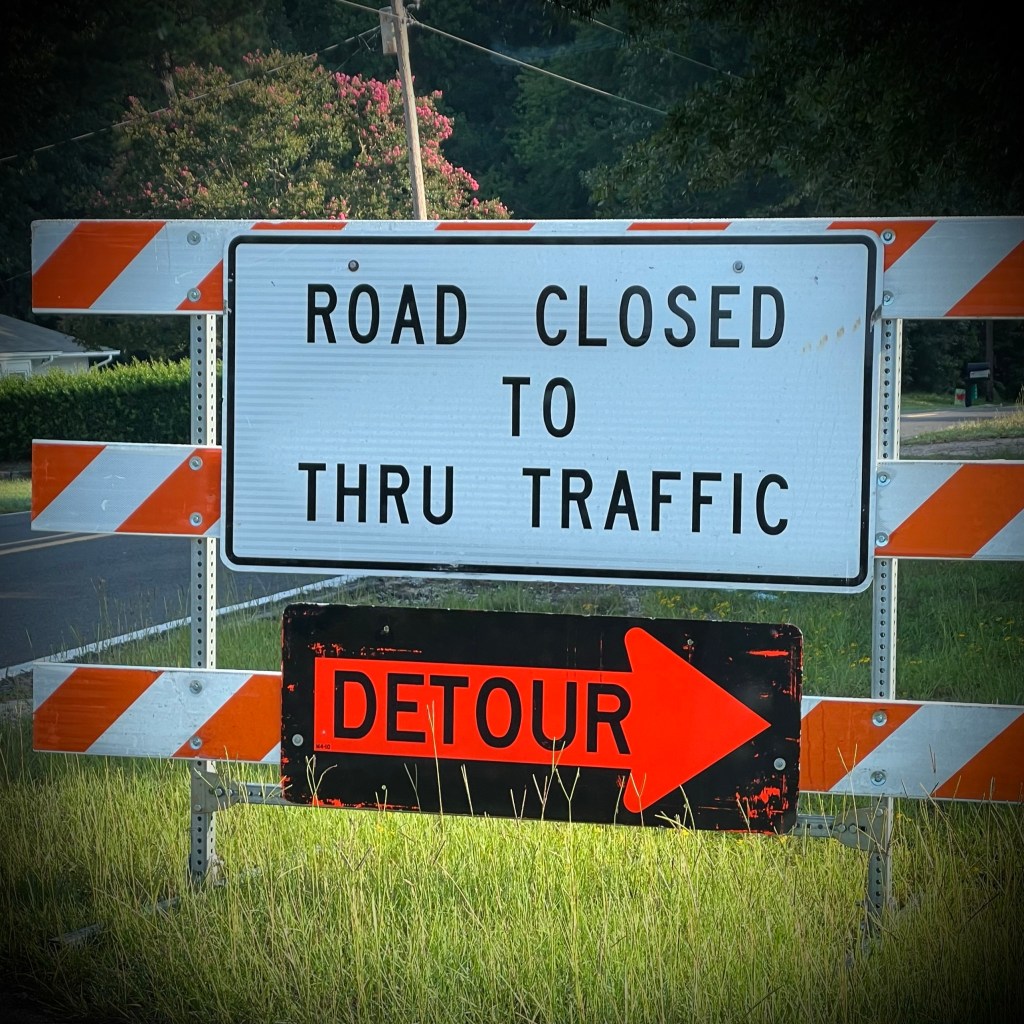
orange signs on white gates
say the road is closed

I must detour

no passing the pond
no seeing heron
standing with elegiac grace
in the still water

although I know
it’s there

so on I fly
day after day
going out of my way
to get to where
I need to be

for now at least
I have the sunflowers

Vincent would say
it’s enough

keep painting the day
and the required work
beautiful
around the barriers
until they are gone

that is
the way of it

Coming home; the pond is just ahead but I can’t see it

Charged

The first gathering
before regular workdays
even begin
is a Leadership meeting
called by new admin
to set the vision
for the year ahead
where lingering clouds
so widespread
start dissipating.
The atmosphere is changed
from June, when we left
depleted and drained:
All my colleagues’ faces,
all their voices and words,
shaking off residual traces
of drenching despair
in this positive charge
electrifying the air.

It can be done.
We have begun.

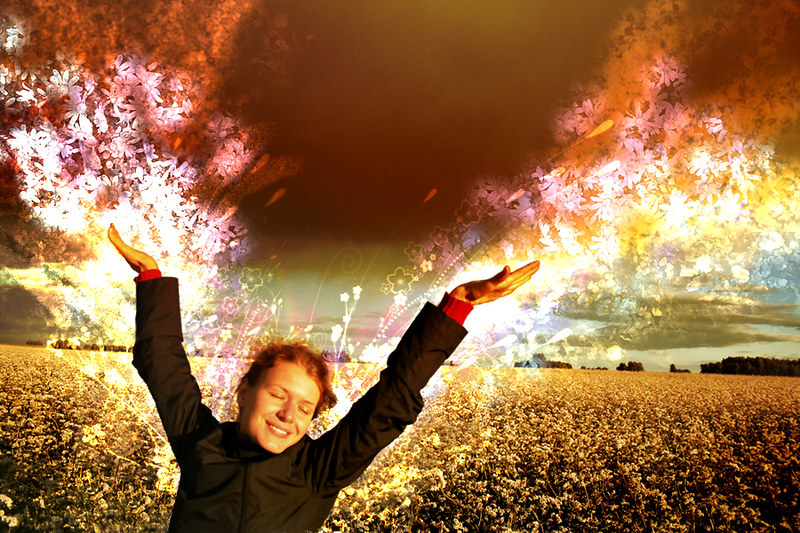
Explosion of positive energy. Łukasz StrachanowskiCC BY-NC 2.0.

Tinkering with modern haiku

with thanks to Mo Daley for the Open Write invitation on Ethical ELA today: “Forget counting syllables for this writing exercise! The modern haiku does not trouble itself with syllable and line counts. Rather, write a short (usually 1-4 lines), unrhymed poem that juxtaposes two images to capture an insight about the world or oneself.”

This seems so simple…

The first things that comes to mind is the the gutter work we had done here yesterdaywhat to make of this?

Leaking gutters
purged of sludge, with new downspouts
stormwater conduits now capable
of saving my foundation.

A bit of satisfying metaphor, but not exactly juxtaposition.

Something of a challenge, this. I don’t know why I am clinging to the image of a gutter, other than it’s now stuck in my head. It’s one of those simple, unremarkable things (unless, of course, it has a gargoyle waterspout) with vital importance. Maybe a good metaphor for writer’s block.

Hmm. I will try again:

Life-giving rain and sheltering tree are in conspiracy
nonchalantly sneaking, bit by bit, into the gutter
for the ruination of my house
— rather a long-range plan, but still.

Maybe.

I was going to try another haiku with a father telling his sons to “keep their noses clean” when everything really depends on the gutters, or maybe one playing off Oscar Wilde’s quote: “We are all in the gutter, but some of us are looking at the stars,” but now I am weary of wrestling with modern haiku about gutters.

Guttered out, like a candle.

A poem meets its opposite

with thanks to Jennifer Guyor Jowett for the Open Write invitation on Ethical ELA today. Jennifer writes of discovering the contrary form and its antonymic translation. She invited poets to take a poem we’ve written, or another we found, and use antonyms for various words within the poem to change the meaning.

Some time ago I wrote a pantoum. Today I tried its antonymic translation.

Here’s the pair of them:

You Are the Better One

You are the better one
you chose to stay
I walked away
so much for responsibility

you chose to stay
you, the free spirit
so much for responsibility
I chose my life

you, the free spirit
but I know freedom isn’t free
I chose my life
when I ran from that hall of mirrors

but I know freedom isn’t free
after the shattering
when I ran from that hall of mirrors
leaving the brokenness behind

after the shattering
I walked away
leaving the brokenness behind. 
You are the better one.

Smoke and Mirrors

You are not the better one
because you chose to stay.
I didn’t walk away
from responsibility.

Because you chose to stay
—you, the free spirit
from responsibility—
it wasn’t a choice for me.

You, the free spirit,
never learning freedom isn’t free.
It wasn’t a choice for me
when I ran from that hall of mirrors

never learning freedom isn’t free
before the shattering.
When I ran from that hall of mirrors
I broke only the brokenness.

Before the shattering
I didn’t walk away.
I broke only the brokenness.
You are not the better one.

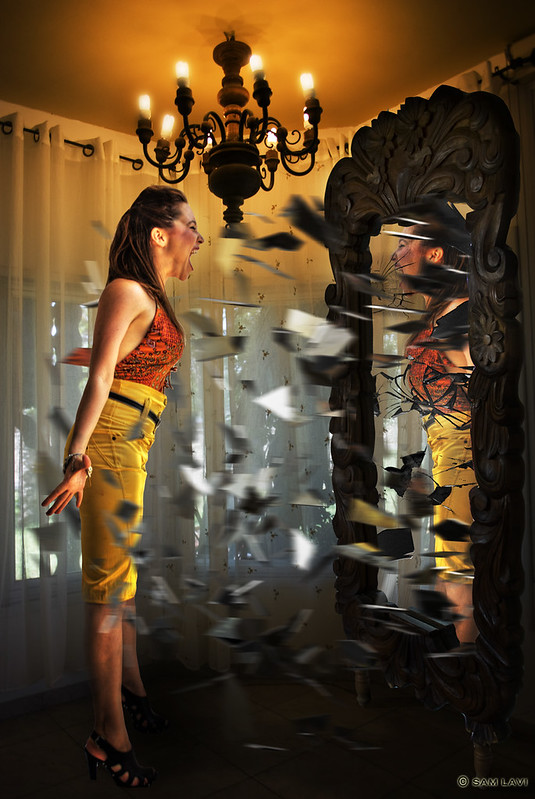
Sonic Super Villain. SuperSamPhotography. CC BY-SA 2.0.

Freedom

Freedom is
a curious thing

trailing feathers
of eagles’ wings

mightier than
any earthly king

who may forget
she stands to bring

from her holy nature
a healing wellspring

to human hearts
if only they cling

to wisdom, to peace
—of these, let us sing

in a state of unity
let Freedom ring.

*******

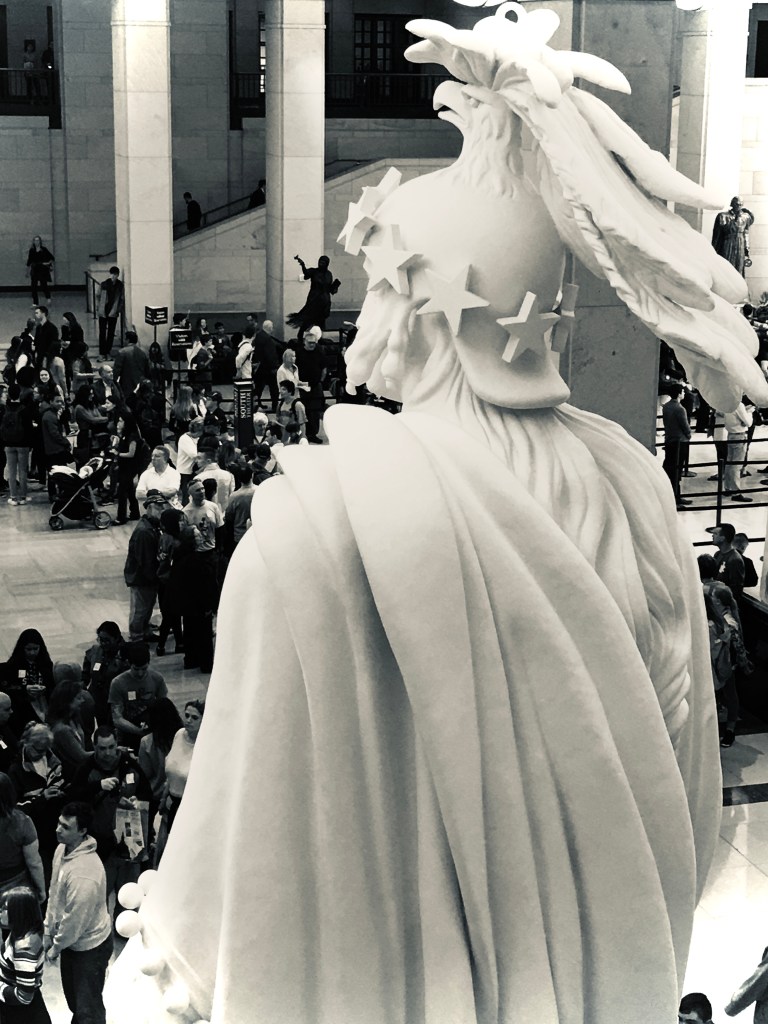
I photographed the Statue of Freedom in March 2018. She stands in the Capitol Visitor Center’s Emancipation Hall. This plaster version was the model for the bronze one atop the Capitol dome. Like a mythological warrior queen, she wears a helmet, bearing stars and the head of an eagle. While the eagle’s power and fierce majesty have led governments, empires, and regimes throughout history to adopt it as a symbol, it’s those long eagle feathers that captivate me. To Native Americans, they represent sacredness and healing. Think on that symbolism awhile.

As an American on this Independence Day, freedom to heal, not harm, is my prayer.