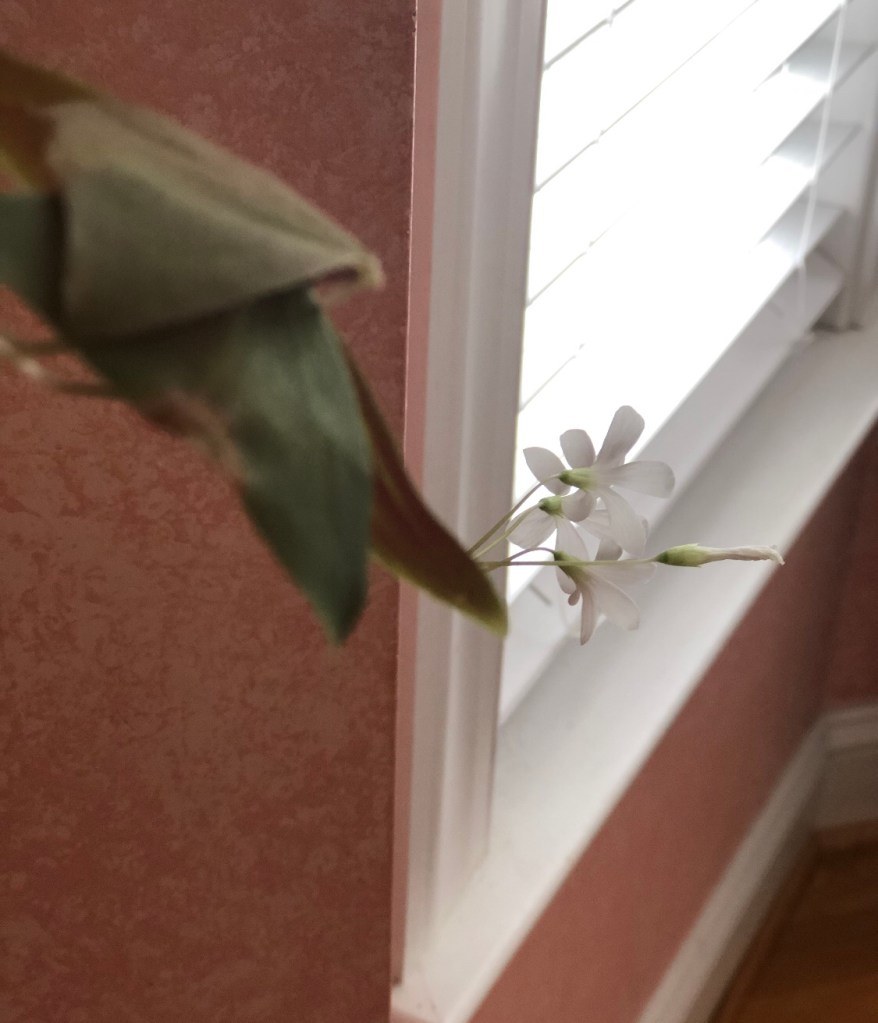
Shamrock haiku

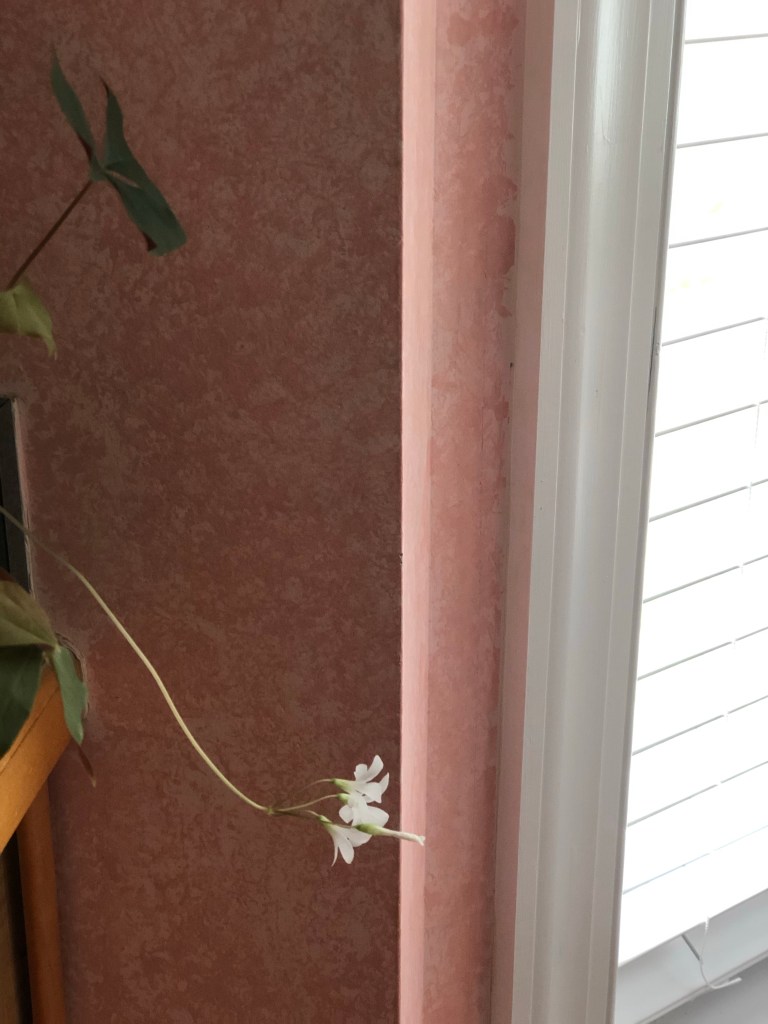
solitary sprig
determined to survive, blooms
reaching for the light

without eyes to see
knowing without sapience
light is existence

reach, little shamrock
through darkest of days, sparking
my own hope-flower

I, too, keep reaching
for the light I know is there
even when unseen

On the finches not returning

Today I lift a line from Emily Dickinson.

“Hope” is the thing with feathers—
My finches, every spring—
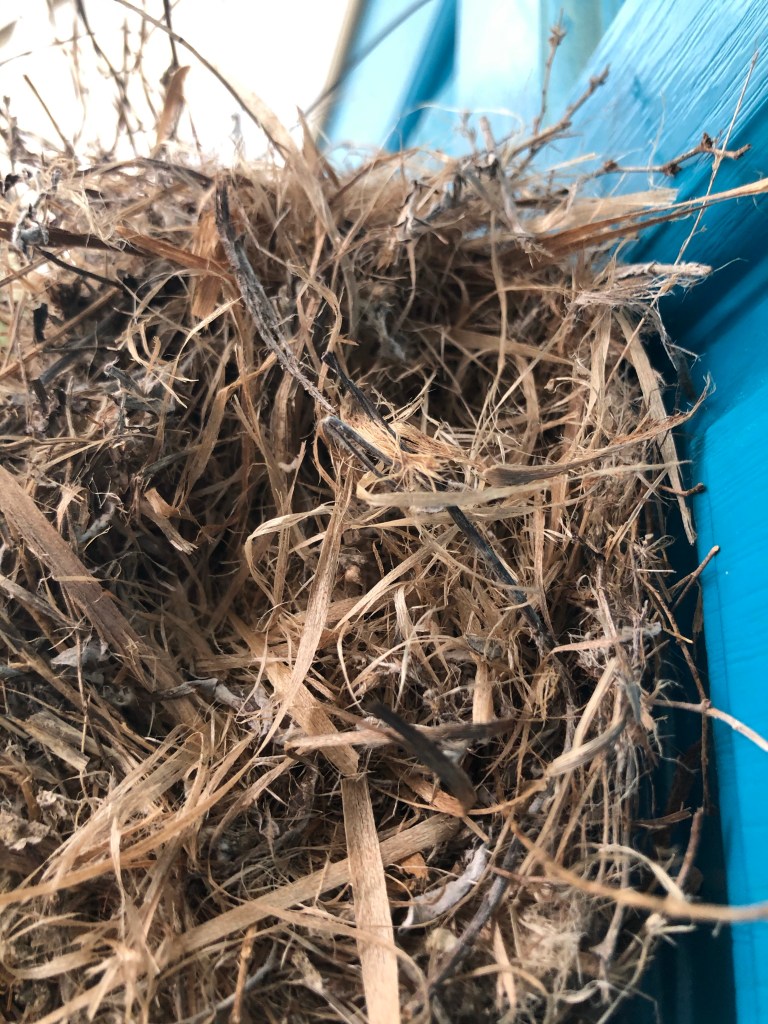
On my wreath their nest awaits
New life they always bring—

This year —more than ever—
I watch for their return—
Yet the nest is empty
Of that for which I yearn—

I wonder what is keeping them
And if my charm is gone—
Do the finches know somehow
Life must keep moving on—

Come home, little finches—
Come home— if you will—
Hope is the thing with feathers
Where I’m abiding—still.

Note: “Charm” is the group name for finches.

For the love of reading

When our second grade team had quarterly planning, one of the subs didn’t show and I was summoned to cover the class for a while. I knew there would be sub plans.

But I brought three books with me anyway.

I gave a quick book talk and let the class choose which one to hear. The high vote-getter was A Deal’s a Deal, the story of two little rabbits swindling each other while trading toy cars. There’s a (delightfully disgusting) surprise ending, which is why I brought this book; it never fails to elicit big belly laughs and loud cries of EEEWWWWWW!

I wanted, in my few moments with these kids, for them to experience the joy of reading. I love to watch children’s faces while I read aloud; it is my favorite thing to do, next to writing with them.

A read-aloud, done well, is a theatrical performance. The kids hung on every word, they could feel the action building, they covered their faces, they howled and hollered EEEWWWWWWW!

—Perfect.

Then they went to work on the activities left for them.

I walked the room, well-aware that teachers are trying their best to adhere to a new curriculum that offer less individual reading and writing choices. I watched the children at their tasks. I watched the clock … and decided to set my timer.

“All right, you have a few minutes left to finish this work before my time with you is up. Let’s get it done, and I will read you the book that got the second-highest vote.”

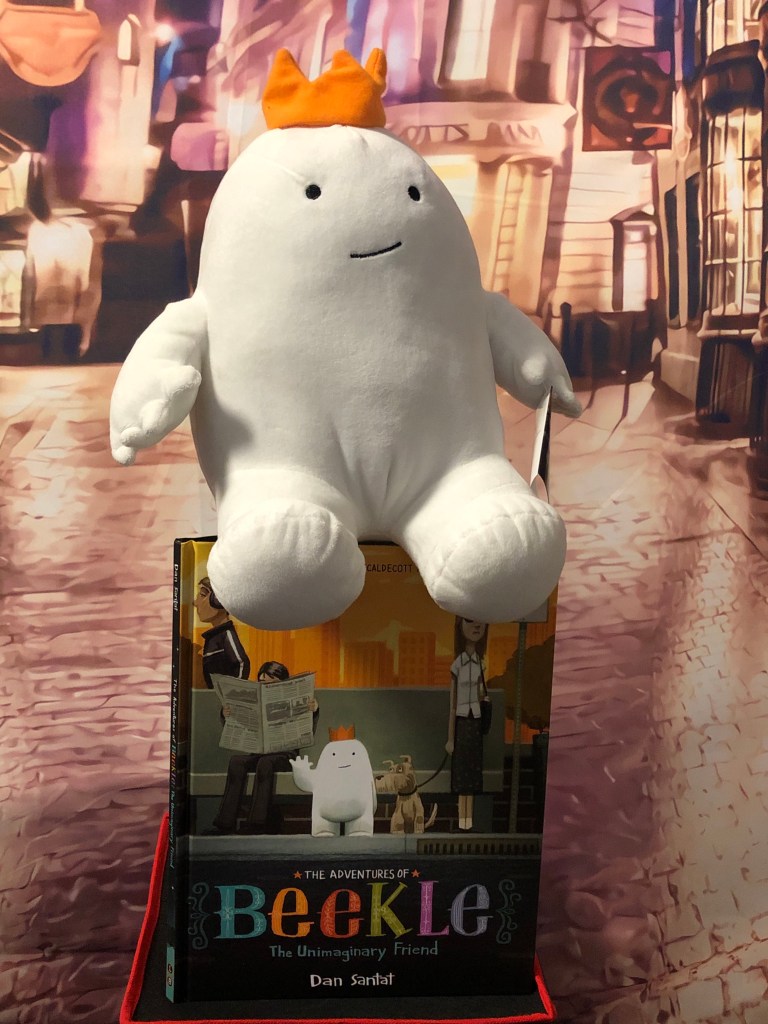
In short order, the work was done, desks cleared, random things on the floor picked up. They gathered at my feet to hear The Adventures of Beekle, the Unimaginary Friend.

I first encountered this book in a summer writing institute for teachers. Our guest author, Matt de la Peña, used it as an example of perspective, asking what’s the story really about, who’s it really about. There was a good bit of debate, as I recall …

But I didn’t set it up this way with the kids.

I just read, letting the words and the illustrations work their magic.

Turned a page, heard the collective Oooohhhh.

Saw light playing on their faces, wonder in their eyes.

I savored them as they savored this book on friendship and imagination.

Whispering in my mind: You were my first friend, too. My oldest and my dearest, even now.

All too soon we reached the end of the book, if not the end of Beekle’s and his friend’s adventures. And here’s the interesting thing: the kids knew who the story was really about, what it was really about, something I’d watched grown-ups—teachers—struggle with.

As I prepared to leave, the children gravitated to the stuffed Beekle who’d been sitting off to the side by himself. He usually sits on my bookcase in my room, an outlier amid all my Harry Potter memorabilia. At the last minute I’d grabbed him and brought him along.

Seems he was here by design, waiting for every child in turn to embrace him, in the way that only children can.

Equinox

Today’s post serves a dual purpose: My daily Slice of Life Story Challenge and Spiritual Journey Thursday, organized by my friend Margaret Simon on the first Thursday of the month. Thank you, Margaret, for the invitation to host.

I chose to write around the theme of “balance.”

Not necessarily what you may think…

*******

It’s almost here.

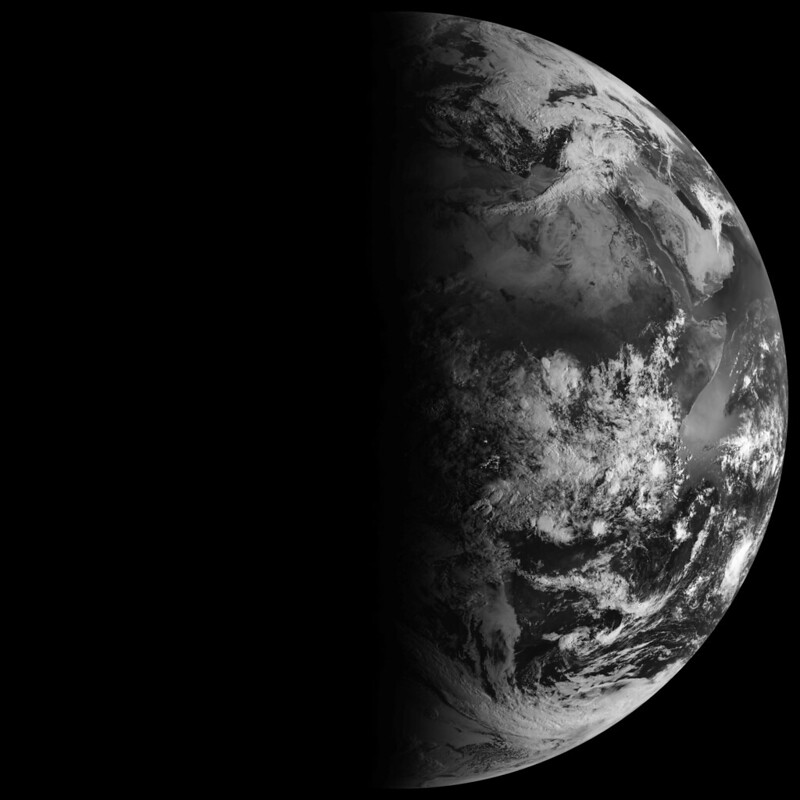
Spring. The equinox.

A balance of light and dark in the world, or “equal night.”

My thinking radiates in a number of metaphorical directions here but I’ll begin with the moment I was at school grappling with a new data reporting system that I have to teach to colleagues. I logged in and discovered this message: Alternate Data Entry for Dark Period.

Dark Period?

It has the sound of a span in history, like it belongs in the Holocene Epoch of the Quaternary Period, the current one in which we live, geologically speaking (“current” meaning over 11, 000 years old, for the record). As if it can be marked in time like the Ice Age or at least the Dark Ages.

Dark Period.

All it means, apparently, is the time when the data reporting system is shut down to be updated. It’s tech housecleaning. During the Dark Period, no additional data entry can occur, until everything is verified and balanced.

The words stuck with me, though.

Many would say we are living in a Dark Period now. It’s an era of strife, vitriol, backlash. An age of ever-increasing concerns over mental health. Over health in general—the coronavirus.

And at the heart of the darkness is fear.

A. Roger Ekirch writes in At Day’s Close: Night in Times Past: “Night was man’s first necessary evil, our oldest and most haunting terror. Amid the gathering darkness and cold, our prehistoric forebears must have felt profound fear … that one morning the sun might fail to return.” He goes on to say that many psychologists believe that our early ancestors feared not the dark itself but harm befalling them in the dark (for it was an unlit world at night) and over time night became synonymous with danger.

Fear leads to anger and anxiety. In the dark, things don’t look as they should; they’re distorted.

What’s the balance?

Now we’re back to the equinox, metaphorically.

Light. Day. The assurance that there’s still good working in the world, undoing harm. Think of the destruction of Australia and the human involvement in deliberately setting bushfires. Then think of soldiers in the Australian army, lined up in rows, cuddling and nursing koalas when off duty. Then apply it to people suffering around our globe …

We are our own greatest enemy and helpmeet. We all hang in the balance of these: despair and hope, destruction and edification, hurt and healing.

In The Forgotten Beasts of Eld, Patricia A. McKillip describes a monstrous creature like “a dark mist” who embodies “the fear men die of.” The novel is about learning how to live and love in a different world.

That would mean overcoming the dark, the fear.

Incidentally, in a strange balance, the current virus causing so much alarm shares its name with the crown of the sun.

And, speaking of the sun, here’s the secret of the equinox, why it’s not really equal: There’s actually more day than night.

More light. Literally.

And figuratively, it has nothing to do with moving around the sun and everything to do with moving the human heart.

Photo: NASA Goddard Space Flight Center. CC BY

*******

Dear fellow Spiritual Journey Thursday sojourners: Please click the link to add your post to the “party”:

https://fresh.inlinkz.com/party/f941589ea3ed4e83be8dd519044d3bfd

Holidays, holy days

Holidays.

Holy days.

The words roll round my mind as I drive to work, noting how the rising sun gilds the trees in all their fall colors against a deep charcoal sky. The sharp glory of it is beyond my power to describe. It’s beautiful. Haunting. Fierce. How can there be such detailed color and brilliance when the sky is so strangely dark? If a storm is brewing, why is the light so golden-bright? And where exactly is it coming from? The sun itself is hidden.

I cannot quite capture how I feel. It’s more than one thing. Awe. Reverence. Curiosity. A bit of foreboding.

Mostly gratitude for having been here to see it.

Holy day.

Holiday.

I am thinking a lot about the interplay of light and dark this holiday week.

And the fierce beauty of life.

My husband is here after a massive heart attack this summer. His surgeon said that his blockages were such that when the last artery went down that day, he had no reserve; he made a “medically inexplicable recovery.” This coming only three years after my husband lost an eye to ocular melanoma.

Light and dark, dark and light.

He lives to see our son get married the day after Thanksgiving. Not just to see it, but to officiate. After all the years of praying for the boy to go into the ministry and the boy saying, no, Dad, that’s not for me.

He ordained our son into the ministry three weeks ago.

Never say never.

Today the boy took the last of his things out of our house to finish setting up his new home. He’s gone, but not too far away.

He took his dog.

Henry.

The last dog.

In two years, we’ve lost three: Nikolaus the dachshund to old age. Banjo the yellow Lab that I raised from age seven weeks to a new home because my husband can no longer manage a 90-pound dog after bypass surgery. And now Henry, the best of the best, the rescue dog whose sole mission in life is to extract and exude as much love as possible.

I am now dogless for the first time in almost two decades. On every one of those days I could always count on a happy greeting, an ever-faithful warmth, some commiseration or comic relief. No tail thumping tonight, no snuffling, whiskered nose in my hand, no nails scrambling on the floor in exuberance for a pat, a treat.

How strange is it that my son moves out and I write about missing the dog.

And another thing: I recently wrote about the two old mules around the corner, how one of them was sick. I often saw it lying on its side in the pasture as the other mule grazed nearby. The farmer didn’t want to put his ailing mule down, knowing that the other mule would grieve, as they had never been apart. He finally had to. When I rode by the following week, I saw the remaining mule standing bereft in the pasture. My friend who lives on an adjoining farm said the mule hadn’t eaten since its sister died. I dared not drive that way for a few days afterward, fearing what I’d see, or not see. But this week I braved it. I drove past the pasture. There was the mule, grazing, which made me happy. As I watched, a big orange tabby cat came strolling across the pasture to sit by the mule. It looked right in my direction, swishing its tail.

A once-in-a-lifetime photo shoot that I couldn’t stop and capture.

And then today as I went by . . . the cat was still there. In all these years of loving those old mules from afar, I have never seen any other creature in the pasture. That cat is there keeping that mule company. It was sent. I am sure of it.

What is life but a bizarre balancing act, a series of give and take, comings and goings, losses and comforts, laced with love, fierce in itself. A mosaic of light and color, a stark silhouette against a backdrop of darkest gray.

Holy days.

Holidays.

Every day is one to be celebrated.

Tonight I go to sleep in my dogless house, beside my husband who’s still here. We have one more son sleeping upstairs. Although there’s an ache, there’s not emptiness. I am grateful for that big orange cat who’s out in the pasture with the old mule left behind. I am grateful to see the glory and drama of autumn with the promise of celebrations to come. I am deeply grateful my oldest has found his calling at the same time great love has entered his life; on the day after Thanksgiving, he becomes a husband and a father all at once. It just so happens that his wedding day is the second anniversary of his grandmother’s passing; how she’d rejoice for him.

Light and dark, dark and light.

Oh, and on the wedding night, I get to bring home a little girl, officially my granddaughter; she and I will have our own celebration with Bride’s Cake ice cream and peppermint bark Oreos and probably the movie Frozen.

I put the Christmas tree up early, just for her.

Holidays.

Holy days.

How can there be so much light.

********

Note: After publishing this post, I learned that the big orange cat has a name: Sunshine.

The course

Curriculum.

A Latin word that sort of rolls around the throat and off the tongue.

As well it should roll, since it literally means course, derived from curricle, a horse-drawn chariot for racing, and currere, to run.

So, perhaps that’s why there are pacing guides . . .

Moving on . . .

Suffice it to say that I’ve spent a good deal deal of time lately thinking about and discussing curriculum with teachers. At this point, I could launch into an exhaustive albeit incomplete analysis of types of curriculum (new facets develop almost daily), but it’s that’s not my purpose here. Having spent all of last Friday co-facilitating professional development for my colleagues on core instruction, I will reference my state’s definition of curriculum:

“The materials, instructional programs, texts, lessons and mapping (for academics and behavior/social-emotional functioning) delivered to all students. These should be evidence-based, aligned with student needs, provide clear mapping towards meeting standards, take into account student skill deficits, and align with school resources. The chosen curriculum should be evaluated often for effectiveness but with a keen eye first on implementation fidelity. In other words, before abandoning a program, the team should ensure it was implemented as it was designed because this is a common cause of poor outcomes” (NC MTSS Implementation Guide, “Defining Core”).

—There you have it, friends. That’s the course.

The running of this course is what concerns me.

Consider those phrases: aligned with student needs and taking into account student skill deficits. A course of study, a prescribed curriculum, doesn’t always, and isn’t able, of itself, to take into account student needs and deficits. The curriculum is a thing. A long and winding road that’s sometimes treacherous to navigate, for the thoughts, ideas, ideologies, theories, experience, assumptions, and intents of curriculum designers (and adopters) are not always clear or evident to the minds of those who are trying to discern them while simultaneously attempting to plot the course for a class of diverse learners. We see the what for the arduous path it is. We can sometimes see, even appreciate, the why. We struggle most with the how. The how too easily becomes an effort to run this course at all costs, to finish well, to plow on full-strength to the best of one’s ability in order to cover the necessary ground, i.e., all the standards and objectives as laid out. And the greatest how of all: How to run this race well when so many students are nowhere near the starting gate in regard to meeting standards, or proficiency?

Years ago a mentor told me we must stop thinking via the deficit model. We must see the whole child, meaning that we must acknowledge students’ strengths and focus on what they can do vs. what they can’t. I believe in the truth of this; I just know that it’s hard to hang onto in the throes of the daily race while rattling bumpity-bump down a formidable and rigorous course. Last Friday my teaching colleagues spent a lot of time thinking about children who aren’t “making it” in core instruction. Teachers considered why, then why again, then why again . . . coming to the conclusion that while there are curriculum tights to adhere to, for all kids to have the chance to be successful, there must also be curriculum tweaks. Collective decisions made with professional judgment. A concentrated meeting of the minds, a gleaning and sharing of experience and expertise, not for any other children but the very ones in front of us . . . .

That brings us to instruction, the real how. That’s why we HAVE professional development, to continue reaching for strategies, better ways of supporting students in getting from where they are to where they need to be. It doesn’t come prepackaged. It comes by knowing the children. In growing pedagogical know-how. In creativity. In thinking a great deal more out of the box when the box clearly doesn’t fit. In collaboration, through collective decisions made with professional judgment, with respect to the professionals that teachers are. The true art of teaching means tapping into the very core of humanity, in fostering atmospheres and experiences in which all learners will grow. . . and that undoes our analogy, doesn’t it? For if curriculum is the running of the race, who, then, is the charioteer? Who are the horses, running for all they’re worth? What, pray tell, is the chariot? Is education itself merely a marathon, a twisting and turning through obstacle courses laden with increasingly higher hurdles to clear, a jumping through hoops that progressively constrict?

When I was completing my teaching degree I lamented the high volume of work for little meaningful benefit or lasting takeaways. My advisor sighed: “I might as well tell you that education courses are basically tests of endurance.”

That is not what education should be. For students, for teachers, for anyone.

I’d rather think of the course as Life. The student as the charioteer. The student’s teachers over the years as the chariot engineers and artisans, continually building, tightening, tweaking, balancing, and adding their own unique embellishments to the vehicle that will carry that student forward through the future. The horses are named Knowledge, Wisdom, and Preparation; they are always hungry, always wanting to be fed so that they can keep driving on. The horse leading them all is called Inspiration . . .

But of course education, nor curriculum, is really about racing. Right?

“Thank you for pointing out the importance of professional wisdom,” said one of the teachers leaving the core instruction session last week, “and for honoring all the things we’re already doing. It was so uplifting.”

We’ve been off and running so hard for so long but now, oh yes, maybe now, we are getting somewhere.

Photo: Chariot (The Brandenburg Gate in Berlin, Germany). Shawn Allen. CC BY

The bullet


Bullet

“Dodged” a bullet. John Spade

I don’t often get reader requests for posts here on my blog, but after sharing an exercise on writing about your past —”When you look back at your life, what do you see?”— a phrase about my childhood home stirred some curiosity and I promised to tell the story behind it.

So if you read Dust motes and asked about “Bullet in the living room rug, in the floor, if you know where to look,” today’s post is officially dedicated to you.

To recollect these details, I had to submerge a good while in Long Ago. When this event occurred I was around eight years old. That part’s blurry.

The rest, however, is all too vivid . . .

Mom lifts the curtain again but there’s only blackness beyond the picture window. I know by her sigh that the street is empty. No sign of Deb. She has never been this late before. She’s usually here before supper but tonight we had to go ahead and eat, hours ago. Baby Aimee—Deb’s baby—is fussy because she’s ready to go to bed and can’t settle. Mom holds her on one hip, says “Shhh, shhh, you’ll be going home to sleep soon.” Something icy glitters in my mother’s black eyes as she looks out of the window into the night.

Aimee’s eyes are almost as black as my mother’s. Big and round. They make me think of Looney Tunes characters when they’re sad, how their eyes go all huge and dark. Baby Aimee’s eyes always look like this, huge and dark, even when she’s standing in the playpen staring up at me in the daytime when I get home from school. She can stand without holding on now but isn’t really walking yet because she’s only one year old. She hangs onto my mother, her cheeks pink and watery, her big eyes shiny.

Mama,” she cries over and over. “Mama.” And she buries her face in my mother’s shoulder.

I am sorry for Aimee because she’s little and doesn’t understand things yet. I am starting to feel sorry for Mom because it’s not easy to take care of someone else’s baby while they work all day and then don’t show up and you don’t know why . . . 

“Mom! What if something has happened to  . . . “

She turns on me, her mouth a tight line under those icy-hot eyes. “Shh!” she nearly spits.

And I know, I know why.

Mom’s afraid.

Just then headlights shine through the window. Mom snatches back the curtain. Her body softens like a flower in a glass of water. 

“Thank God.” 

She squeezes past the playpen—it takes up the most of our living room floor spaceand goes to open the front door.

I hear Deb’s laughter before I see her.

Someone is with her.

They come in.

Deb is short with shoulder-length reddish hair and glasses. She dresses in what teachers at my school call “mod.” Sometimes short skirts and boots or chunky shoes, sometimes vests and bell-bottoms. Deb smiles a lot but tonight she can’t stop laughing about something. Even when she says to Mom, “I am sorry it’s so late, had some car trouble…this is Ab. My boyfriend.”

Ab, standing partly behind  Deb, is very tall. His face is thin and white, his hair black, curly, reaching past his shoulders. He’s wearing a long fur coat. I’ve never seen a man in a fur coat before. He nods to my mother when Deb introduces them but he says nothing. 

Mom looks at me, hard. “Go to bed now.”

I know this really means “I’ve got things to say that you don’t need to hear” and so I head down the hall without a word—

—BANG—

—a flash of light, the loudest sound, thunder in the house, like a car hitting it, shaking it, rattling the windows—

a scream, not sure whose, my mother’s or Deb’s—

baby screams—

I run the few steps back to the living room.

There’s a funny smell, something smoky.

Pieces of brown fur, hundreds of pieces, floating through the air. 

Deb’s crying now, her screaming baby in her arms. Ab’s face is whiter than before. I stand, frozen, as my mother demands the gun he has in his pocket, or the pocket he had a minute ago, before he blew it to smithereens.

HOW DARE YOU bring a gun into this house, around other people, around children! To stand here with your finger on the trigger…Give. It. To. Me. NOW.”

And Ab places the handgun in my mother’s open palm.

As her hand closes around it he hurries out of the door, away from her, back into the night.

*******

After Deb and Ab were gone—and after she vacuumed up all the fur—Mom ran her fingers over the rug. She found the hole and the bullet lodged in the hardwood floor beneath. For as long as we lived in that house, I could find the bullet, too.

The house still stands, so as far as I know, the bullet remains there to this day.

I can’t recall what became of Deb and her beautiful baby, Aimee, or how quickly after the bullet they quit coming to our house. I changed their names in case they’re still alive out there, somewhere. I wonder if they are. And what their stories are. And if I could stand knowing.

I really wonder about Ab.

All I know is that my mother kept his gun a long time. I’m not sure she ever gave it back. Or where in the house she hid it. Somewhere far away from children…

I think a lot about the darkness of that night, of a baby’s big, frightened eyes, of being completely at the mercy of others and their choices, not just sweet baby Aimee, long, long ago when I was still a child…but my mother, who didn’t drive, who babysat for many years to make ends meet, who accommodated other people’s schedules and whims, who was dependent on others to go anywhere or get anything she needed. Some might say powerless.

But they didn’t see her take a gun away from a strange man who towered over her, a man who, as far as I know, never darkened our door again.

I did.

The moment reverberates in my mind still. Lodged deep, so deep in my memory, lying there all this time, covered by layers and layers of stuff …

The power remains, if you know where to look.
 

Dust motes

Dust motes

Dust. ZoiKorakiCC BY

Last week I had the pleasure of co-facilitating my district’s third annual Teacher Summer Writing Institute. K-12 teachers were invited to deepen their sense of identity as writers, hone their craft, and experiment with form. Guest author Matt de la Peña led us through a series of writing explorations on Day One.

Here’s how it went for me as de la Peña used this exchange from “Steady Hands at Seattle General,” a short story by Denis Johnson, as a springboard for capturing images: 

“What about your past?”
“What about it?”
“When you look back, what do you see?”
“Wrecked cars.”

What might those two words mean, de la Peña muses aloud for the benefit of participants. 

“Wrecked cars?” Might they be literal or figurative? 

He goes on: Choose two words to create an image describing your past—when you look back, what do you see? 

At first I wrote ‘Christmas trees’. When I look back, I see them. From my grandmother’s all-silver, 1960s tabletop tree to my real Fraser fir decked in Victorian decor. Christmas trees mean another year is ending. That life and perspectives change continuously. To me they symbolize more than tradition. They mark time. Eras. Celebrations. Losses. Our children grow up; grown-ups from our own childhood pass away . . . between chapters of the unfolding story of life stands a tree.

When I look back, I see it all.

Suddenly I don’t want to use those words, Christmas trees.

In that instant, two other words materialize: 

Dust motes. 

I do not know why.

Except that I can clearly see the image of my childhood living room, a shaft of light between the drawn curtains of the picture window, the dust floating there, tiny specks of gold— 

He’s speaking, de la Peña. Asking if any of us would share our two words.

After a moment, I volunteer. 

“Dust motes?” he questions.  “I’ve not heard this before. I’m curious—why?”

Well,” I say, thinking as I speak, “it’s the image that came to mind, a shaft of light with dust specks floating in it . . . maybe because as a child I spent much time to myself, reading, in the stillness, in silences . . . when I look back, that’s what I see. Dust motes being partly your own skin. Shed cells. Pieces of yourself floating in that light . . . “

His expression is unfathomable. 

He says: “That’s fascinating and eerie. It lends itself to something really creepy . . .”

I consider this a compliment. 

De la Peña shares a model, “What Jimmy Remembers” from Jimmy & Rita by Kim Addonizio (2012):

Girls in white stockings and checkered wool jumpers, round white collars, red bows at their throats. Birds in Saint Christopher’s schoolyard—hundreds of them, black, spread out across the lawn in late afternoon. The brick wall of the steel mill on Dye Street he could see from the living room window, his father in there working, his mother in a shiny black dress coming in at dawn after singing in some nightclub, waking him for school. Shivering and dressing over the heating vent in the front hall. Dark-blue blazer and black shoes. A puppy that died of distemper, put in a shopping bag and into a can in Bushler’s Alley. Cotton candy on the boardwalk in Seaside Heights, the barkers calling Hey bub, Hey sonny, Buster, Skip, You. . .The black hearse carrying his father through the snow, a semicircle of metal folding chairs. The green faces in avocado leaves smiling down at him. God in the clouds. Who art in Heaven. His mother, ghost now: wearing a stolen mink, flipping a cigarette from a deck of Lucky’s. His father moving toward her with a match, cupping his palms around the flame.

—All images, fragments, this bit of microfiction.

“Now, using your two words as a title, take a few minutes to write what you remember from your past, but here’s the challenge: Don’t mention those two words in your scene,” says de la Peña. “Don’t worry about proper sentences. Just write . . . “

My pencil is already scratching away against the notebook paper: 

Hand-me-down corduroy Levi’s in baby blue, green, tan, cream. Ashtrays overflowing. Trips in aging Fords to buy discounted boxes of Salem menthols. Complimentary bubblegum cigarettes. A screen of smoke in the air mingled with chicken grease. Ivory Liquid suds in the sink, stiff, dry, stained with spaghetti sauce. Bathroom wall by the tub caving in where a soap dish used to be. The biting scent of Pine-Sol as it’s poured in the toilets, rolling white like smoke, clouding the water like creamer in coffee. Vaporizer in my bedroom, rattling, sputtering. The hallway, broom leaning against the wall, a gathered pile of gray lint.  Bullet in the living room rug, in the floor, if you know where to look. Books. Books. Books. Silences. Shafts of light through the picture window, beckoning from beyond. The wrought-iron lamppost by the concrete steps leading to and from the front door, the heavy, decadent fragrance of my mother’s gardenias in various stages of living and dying on the bushes there. Church carillon chiming, loud and clear, from several blocks away: Let me hide myself in Thee. The pungent whiff of crab from the factory, if the wind is just right. Salt. Salt. On my baked potato, tin foil too hot to touch, on my popcorn, on the wind. The answer, my friend, is blowin’ in the wind. All we are is dust in the wind. Words and words in my head and my heart, pouring onto stacks of pages that are always able to hold it all, and which never judge, which just absorb, and save.

There you have it. Dust motes. What I see when I look back, at least in part.

With apologies to Matt de la Peña, for while I didn’t use “motes” anywhere in my remembering, there was just no getting around “dust.” 

But also with deepest thanks to him for creating the conditions for this writing to occur.

Which is what good writing teachers do.

Coaching metaphor

During recent professional development sessions on “Coaching the Coach” at Ocracoke Island, the facilitator charged participants with finding a metaphor for coaching.

We were to take a photo. We would write to it.

There were no other parameters.

Ocracoke is a tiny place full of narrow, twisting roads, quaintness, legend, and mystery. It has around a thousand inhabitants. In tourist season one has to drive with extreme care as the streets become clogged with pedestrians, horses, bicyclists, golf carts, and cats (the island has a rampant feral cat population). The word island might as well be a synonym for enchantment or mystical; a sense of these hang in the air along with the salt. Sort of like expectancy.

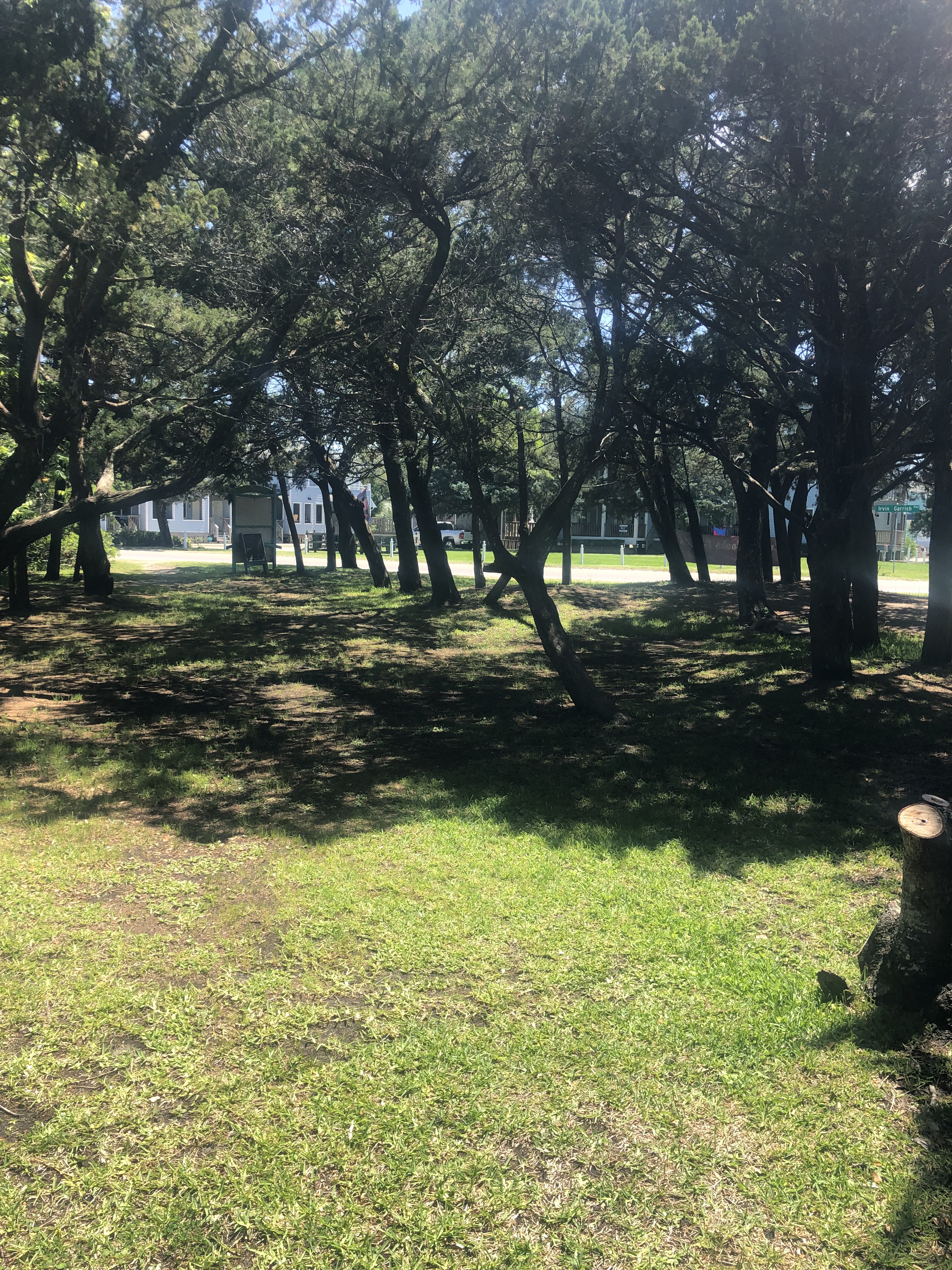
When I first saw the grove of trees—predominantly live oaks—on the corner lot of a house converted to a bookstore, I thought: What a restful place. It has its own particular allure. While there are larger live oaks, individual, ancient giants, elsewhere on the island, these smaller trees grow together, toward one another. I read somewhere that live oaks focus their energy on growing out, not up; perhaps this is especially important in a place where ocean winds continually carve the landscape. These trees survive hurricanes. They flourish in salty places.

The early May afternoon was hot; the sun blazed overhead. I noted the profuse shade under the trees. They stand leaning inward, reaching to one another, as if intentionally collaborating to benefit all who enter their realm of existence. No one tree stands out. It’s a joint effort. I walked into their proffered coolness, this respite, this shelter, envisioning how their roots are deeply intertwined, that they draw collective strength in their mutuality. They are anchored together. That’s part of how they endure. A foundation from which to grow, branch out, and sustain their own lives and others’.

There is more, there is always more, to a metaphor, for it knows no parameters, either. It can keep on going and going, changing shape, developing new layers in new light. It’s supposed to, just like learning. Like life. I just choose to stop here.

For now.

Coaches, teachers

gathered

in rapport, mirrored

growing together

toward one another

is strength

and refuge.

For all.

Reliquary

A little copper box. On its lid, two seahorses free-floating in a bed of tiny, shimmering beads.

When I saw it in the island’s gift shop showcase, it spoke to me:

I was made for you.

But what ARE you? I wondered. A curiously small trinket box? 

Then I saw the inconspicuous card in the shadowy showcase corner—as if it had just materialized.

—Reliquary.

That is when I knew.

“Ahem—can I please see this little box?” I called to the shopkeeper. Once the enchanting object left the glass case it would never go back.

The shopkeeper, an older lady with shoulder-length sandy hair, a friendly face, and a bohemian air, chattered happily as she withdrew the box and placed it in my open palm. One of a kind. Handmade by an artist. A reliquary.

A work of art, I thought, tilting the box in my hand. The beads in the lid shifted like grains of sand; the seahorses drifted over their pearly sea. Meant to hold relics. Something special. Something holy.

I had no idea exactly what. 

I only knew it was mine as soon as I saw it.

Or that maybe I belonged to it.

First of all, the seahorses. A symbol I love, one I’ve adopted as my writerly motif. Hippocampus. There are two in the reliquary lid; there are two in the human brain. They help new memories form. They are tied to learning and emotion.

A glimmering of blue against rolling quicksilver . . . I begin to see, to understand, a little.

Whatever stirs in my brain, in my heart, finds its way onto a page. My notebooks are reliquaries. My blog is a reliquary. They hold my learning—they often reveal my learning to me—as I write. They hold my emotions, my memories, bits and pieces of my existence. My relics. Words.

On a metaphorical level, that is what the box represents. My writer-soul, poured out, made visible, received in a keeping-place.

On a physical level, the box is quite real, tangible, and empty, waiting to hold something worthy. It will come. I will know it when it does. For now my reliquary sits on my dresser. Whenever I pass by, the hippocampi in my brain flutter at the sight of the hippocampi on the lid. For in the vast currents of living, of thought, grains gather one by one to form something solid. Somewhere in the waiting lies an invitation, expectancy, a sudden discovering. A work of art, ever and always developing—because, in truth, we are all reliquaries.