Something about September

Sunlight
still bright
takes on an amber tinge
the sky
day by day
almost imperceptibly
deepens its blue
still hot
in Carolina
but now she’s rolling up
her blanket of humidity
to put it away at last
there’s the first
tiny delicious trace
of coolness in the breeze
cicada choruses fade
day by day
a vintage time of year
I think to myself
remembering
how September stands
as a paradise paradox
regal in earth’s greatest finery
stitched with threads
of her greatest losses

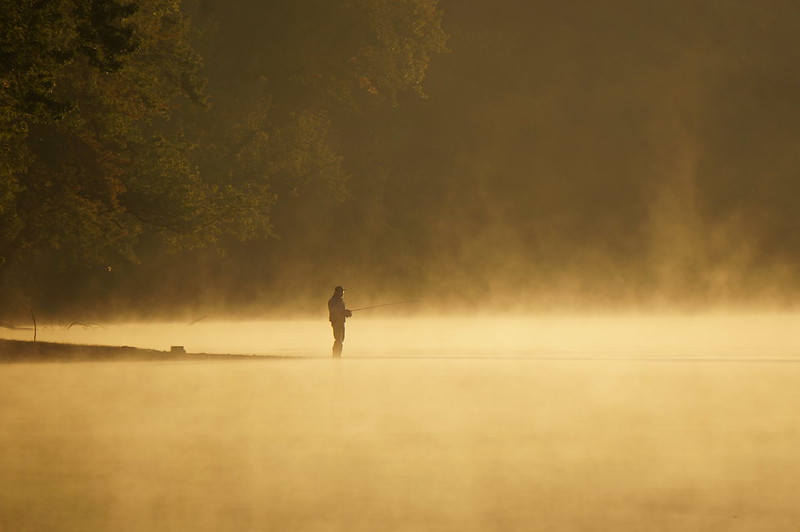
September morning. rkramer62CC BY 2.0.ran

Expectations

As a literacy coach and intervention team facilitator, I am tasked with communicating expectations of my administration and the district to my colleagues. It’s a tricky position (correction: these are tricky positions. Plural. Sometimes I feel like Bartholomew Cubbins, wearing 500 hats). At present, my fellow educators are, in the wake of COVID, undergoing state-mandated Science of Reading training while adjusting to new curriculum and new leadership. It all comes with new expectations.

Truth be told, however, many of these expectations aren’t new: Problem-solving as a professional community, finding what we need as educators to give the students what they need. Bridging gaps. Collaborative planning. Collective responsibility. None of these are new; they just feel new if they’ve not been done effectively before…the bottom line being the determination of this is what the kids really need; how do we make it happen?

It’s formidable challenge, in a time where there are many needs, and when educational philosophies, beliefs, and mindsets clash. I recently wrote about endurance (from a spiritual point of view). This new school year follows one of extreme exhaustion. We will not endure without leaning on one another. We will not build our strength in isolation. We will not succeed without stamina. Or vision. Where there is no vision, the people perish (Proverbs 29:18). Grappling with expectations is, well, expected. Everything, everything, everything rests on one of two beliefs: it can be done or it can’t.

I believe it can.

Yesterday my granddaughter visited. The hummingbird feeder rings I ordered for us had just arrived. Perfect timing. We took them out of the package, washed them, made a tiny batch of sugar water, and filled them. Off to the yard we trotted to stand with our arms resting on the fence near one of my two feeders where a handful of hummingbirds compete for their nectar throughout the day.

You can see for yourself, in the photo, my granddaughter thinking I don’t know about this…yet there’s a layer of hope and fear in her expression: Will the hummingbirds actually come drink from my ring? Will I be scared?

After a while: How long is this going to take?

The secret, my love, is patience and persistence. If it doesn’t work the first time, we will try again, and again. Hummingbirds have come to drink from the rings of other people in other places; they will eventually do so with us. Keep trying. Believe. I will stand with you until it does.

Oh, right.

I started off talking about teaching, didn’t I.

Expression of uncertain expectation. After she left, I went out again when the hummers were more active. A couple of them hovered nearby, considering me and my outstretched, ringed hand (hummingbirds are highly intelligent and curious). If they come to me…they will come to my granddaughter. I will see if can make it happen for her.

*******

with thanks to Two Writing Teachers for the weekly Slice of Life Story Challenge

Magic bubble

Just an ordinary morning
making coffee
washing my favorite cup

dab of dishwashing liquid
whoosh of small bubbles
escaping the tip
of the plastic bottle

nothing out of the ordinary
in bubbles rising, drifting
iridescent, carefree

except for the one
heading for the
outlet

where it stays
suspended in midair
between two plugs
rolling and turning
never drifting
as if some invisible force
some electromagnetic field
keeps it in place

I watch and watch
wondering

it seems
anything
but ordinary…

Endurance

inspired by Bible study of James 1:1-12

Crucible:
an earthen container
able to withstand
intense heat until
the precious metal
within is purified,
its imperfect portions
sparking off in the air

comes from medieval Latin
crucibulum
meaning ‘night lamp’
possibly one which hung
in front of
a crucifix

perhaps in
cavernous darkness
on crumbling stone walls
a feeble lantern
reflecting on the last
tangible hope
that weeping endures for
a night
but joy comes
in the morning
whether the current battle
is won
or lost

a flickering halo
in the shadows
where faith responds
while carrying
staggering loss
crushing burdens
utter depletion
still believing
still living by
the stillness in
the soul
still trusting in God
despite all

endurance

there’s holiness
in it

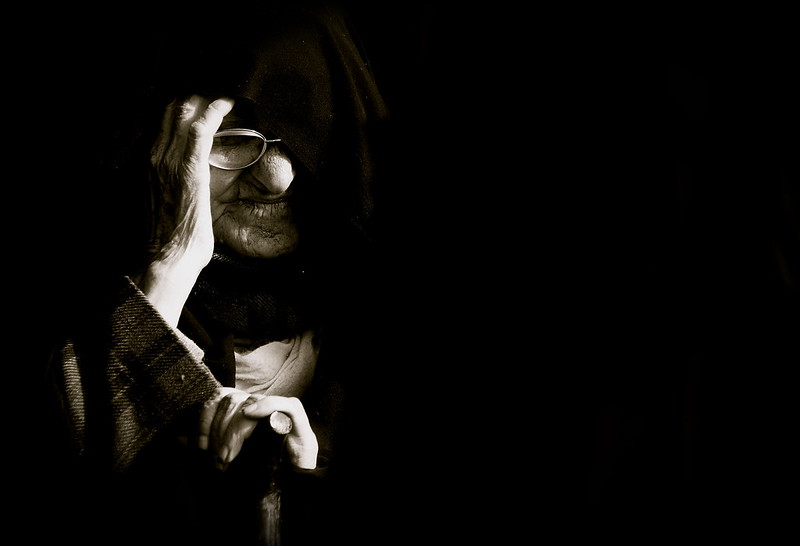
Endurance. Mohammadali. CC BY-NC-SA 2.0.

New Oxford American Dictionary

Blue-eyed bunny

Each day offers gifts
pure as a child’s smile, rare as
a blue-eyed bunny

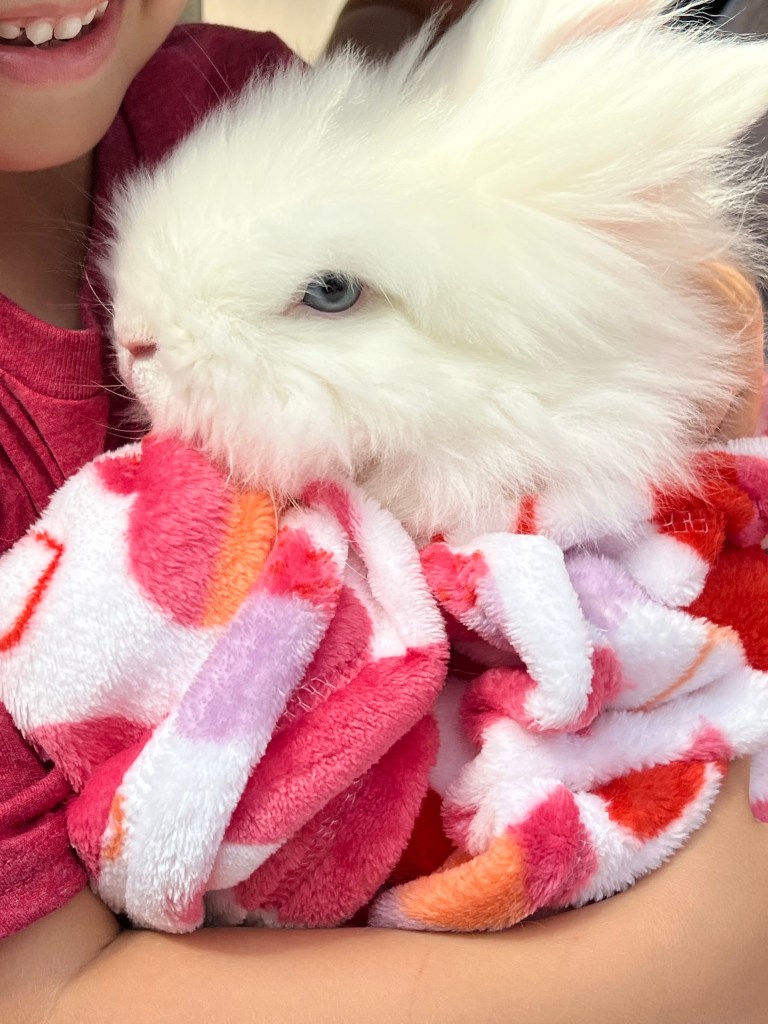
Families often bring pets to school at dismissal, usually dogs happily greeting their beloved children. This is the first rabbit, a Lionhead named Benny. His pure white fur is silky-soft; I was awed by his beautiful blue, almost-human eyes. Thanks to the family for letting me take his photo.

Spiritual journey: Community

When I think of community
two words come to mind:
commune
and
unity.

To commune
implies awareness
listening
appreciating
expressing
from a wellspring
in one’s soul.
Sometimes with words
sometimes with actions
sometimes in just being
and being
deeply connected.

Unity implies a connection
so profound
that many become one
a whole made strong
because of its parts
because of the desire
to be together
seeking the good
of all.
Unity wears the cloak
of altruism
and walks with
amazing grace.

That brings
another word
to mind…
communion.

In the end
community is
infinitely more
than proximity.
It’s a true work
of heart.

*******

1 Corinthians 1:10, various translations:

I appeal to you, brothers, by the name of our Lord Jesus Christ, that all of you agree, and that there be no divisions among you, but that you be united in the same mind and the same judgment. —ESV

I have a serious concern to bring up with you, my friends, using the authority of Jesus, our Master. I’ll put it as urgently as I can: You must get along with each other. You must learn to be considerate of one another, cultivating a life in common. —The Message

I appeal to you, brothers and sisters, in the name of our Lord Jesus Christ, that all of you agree with one another in what you say and that there be no divisions among you, but that you be perfectly united in mind and thought.—NIV

with thanks to Maureen Ingram for offering the prompt of “community” for our Spiritual Journey Thursday community of writers


The cicada

Yesterday I tried to rescue a cicada that had fallen on the pavement in the bus loop at school.

I didn’t see it fall. I only saw it on its back, wildly fluttering its wings, unable to right itself.

As cicadas are huge insects, many of my colleagues preferred not to get near it.

But I have loved cicadas all my life. Their summer song, that choral buzzing swelling from the treetops, sends my spirit spiraling skyward. I find it among the most comforting of Earth’s songs.

And so I went and picked it up.

The cicada beat its wings in a frenzy, for a second clinging to my dress with its hook-legs.

I placed it, right side up, in the mulch at the roots of a crape myrtle.

It flipped over on its back again.

This is what cicadas do, what most insects do, when they are dying. Their legs can’t support them anymore.

I figured the creature would be gone by the time school dismissal was over. All I could do was provide a dignified passing for it in the mulch under the tree versus being flattened by the wheel of a bus.

But it was still alive, moving its legs a little, when time came for me to leave.

So I put it in a cup and brought it home.

It was still and silent for most of the ride, except for one episode of weak wing-beating against the cup.

I placed it, right side up, under some ivy in a planter on the back deck.

A couple of hours later, it was on its back again, still feebly moving a leg or two.

I don’t know how long it takes cicadas to die. I don’t know if they feel pain, anxiety, or fear. I know they live the greater part of their lives underground (up to 17 years, some of them) and their time above is short (a few weeks). I start listening for their song at the end of May, the month of my birth, and I hear the last strains sometime in September. Cyclical, symbolic creatures, cicadas. Across cultures and legends, they’re most often associated with immortality and resurrection.

Yet this one was dying. I couldn’t help it or save it. I couldn’t tell it how grateful I am for its kind, and it couldn’t care. I couldn’t give it peace.

In the end, it gave me peace to let it play out here at home with honor in the ivy-sheltered planter. As night drew near, dozens of other cicadas called from the trees…a fitting requiem for a fellow northern dusk-singing cicada.

Maybe it could hear. Maybe the song was a comfort, a blessing, a benediction.

It was for me.

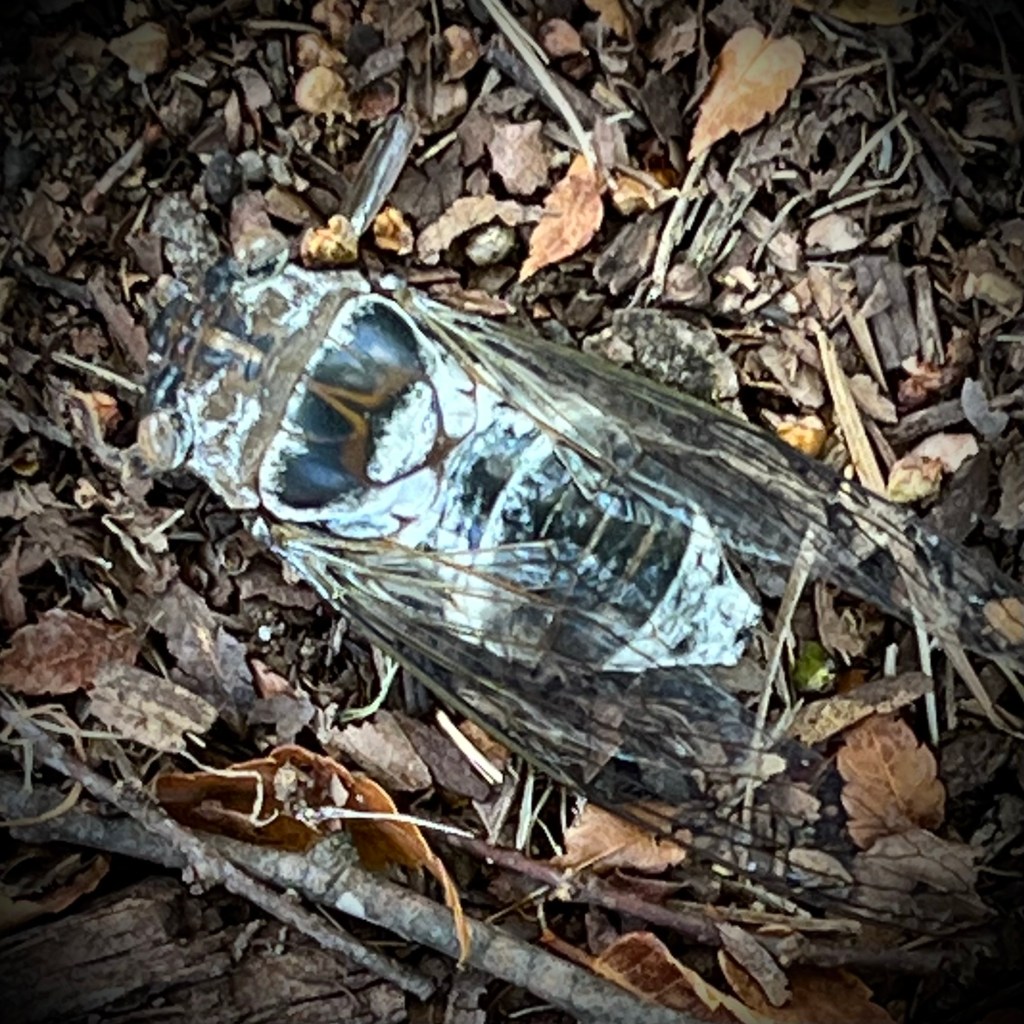
My northern dusk-singing cicada