All the world’s a stage, And all the men and women merely players; They have their exits and their entrances; And one man in his time plays many parts…
—Shakespeare, As You Like It
Life’s transitions tend to sneak up on us.
For example, when it dawned on my oldest son that high school wouldn’t last forever and beyond it was college plus this thing called The Rest of Your Life, involving responsibility and duty, he looked at me with big brown eyes full of gloom: “I don’t want to grow up.”
Alas. It happens.
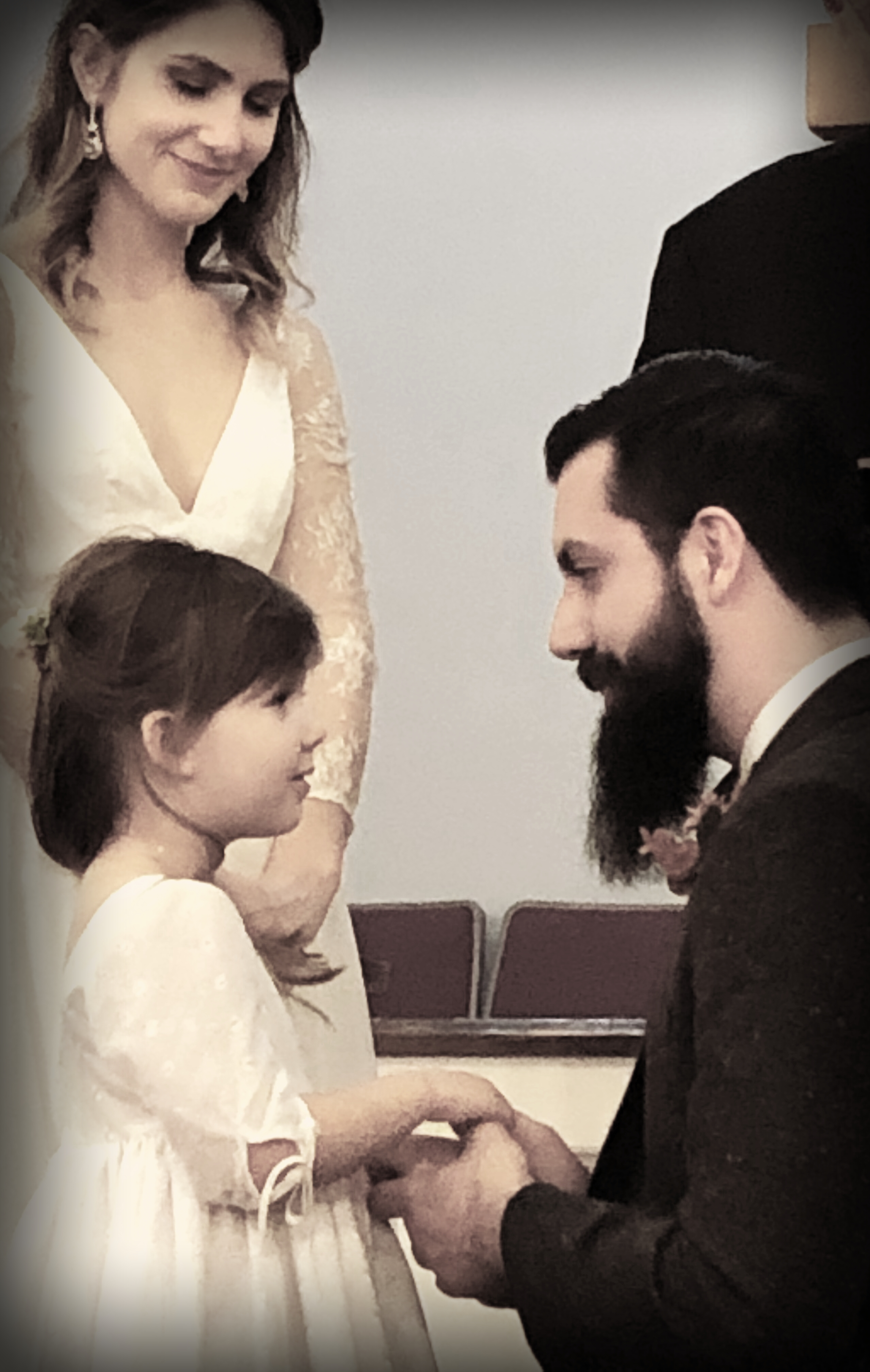
But he found his way. Last fall he simultaneously started the pastorate, married, and became the dad of a beautiful four-year-old girl. That’s a lot of transitions in one fell swoop, and he’s embracing them all. He’s thriving.
One man in his time plays many parts . . .
All of a sudden, his father and I have reached the grandparent stage of life. While it’s the loveliest transition, I can’t keep from thinking, with a pang, How did I become this old? Truth is, there’s exactly the same age difference between my grandmother and me as there is between me and my new granddaughter. It shouldn’t seem so astonishing.
The hardest transition isn’t mine, however. It’s my granddaughter’s. She loves to come over, loves to climb in my lap with a book as much as I loved climbing into my Grandma’s with one. All of this is glorious fun. No, the hard part is what to call me. She’s used to saying Miss Fran:
“Miss Fran, I’m hungry!”
“Oooo, Miss Fran, I like your nails. Can you paint mine?”
“Can we have a popcorn party and watch Frozen again, Miss Fran?”
“Let’s go outside and blow bubbles, Miss Fran!”
She likes telling everyone that I am her grandmother now. She even likes pretending to be me. My son said that after I broke my foot she went clomping around their house with one rain boot on, saying “I’m Miss Fran!” Yikes.
This transition away from Miss Fran has proved challenging. But she’s working on it.
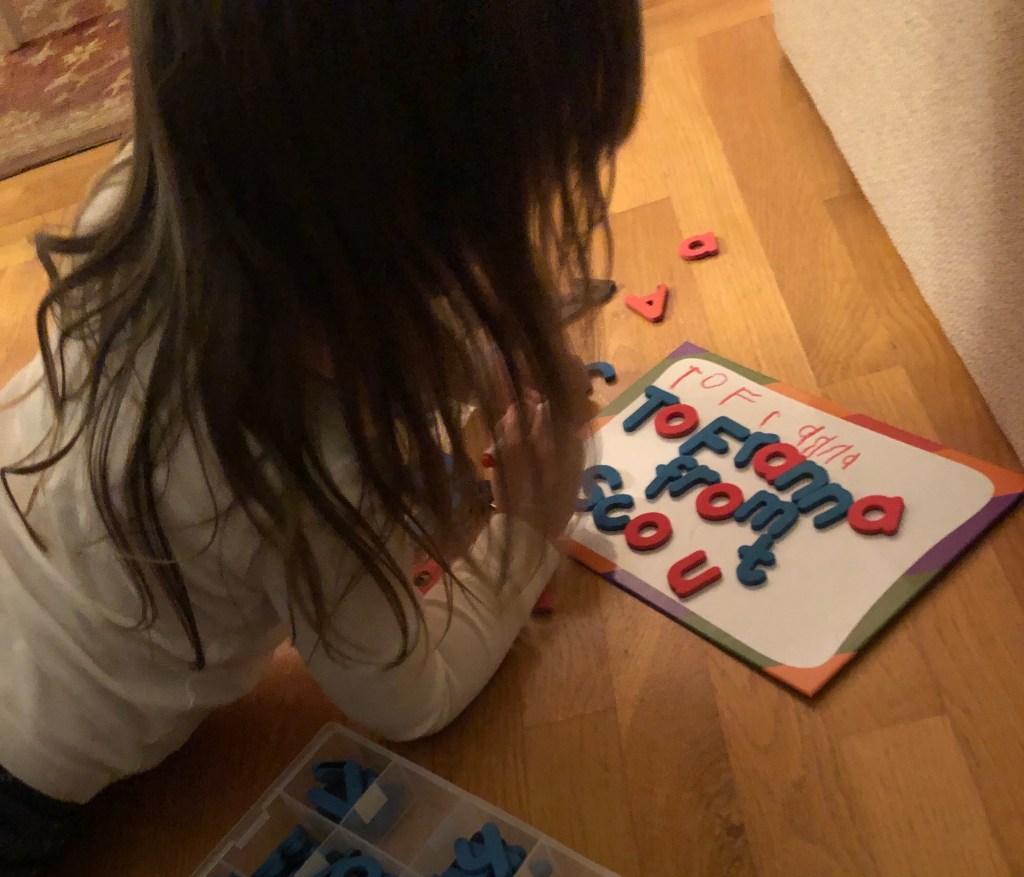
The other night she asked me to spell words for her with magnets on a whiteboard. I did, without realizing that she intended to copy them with a marker.
Here she is, writing with utmost care. A message to me.
With my new name, for the new role I get to play in her life:
Franna.
Life just gets grander.
I asked her if she wanted to spell “Franna” with one ‘n’ or two. She chose two.
Better is the end of a thing than its beginning, and the patient in spirit is better than the proud in spirit.
-Ecclesiastes 7:8
Last week didn’t start so well.
On Sunday, I broke a bone in my foot while simply walking (and falling, somehow) down the garage steps.
I’d already taken Monday off to attend my brother-in-law’s funeral but spent it on my couch instead with my newly-damaged foot elevated, commiserating with my husband, whose leg has developed a discolored, painful bulge—the leg from which veins were removed for his bypass surgery last fall. It’s not a clot, and that’s all we know until his appointment this week.
“I never would have believed that I wouldn’t be able to attend my own brother’s service,” he sighed. It’s a seven-hour round trip; neither of us was up to it.
I surveyed our legs, propped on the same stool. His left, my right. Mirror-images of each other. Except for my orthopedic boot.
I sighed, too, the entire left side of my body sore from overcompensating for the right. “I know. This is like being eighty years old or something.” Which is decades away…
Our college-student son, passing through the living room, quipped in his deadpan way: “Well, at least you’ll know what to expect when you are eighty.”
So. That was Monday.
On Tuesday I returned to work. It happened to be the 100th day of school, meaning that most kindergarten and first grade students (and many of their teachers) came dressed as old people. White hair, glasses, wrinkles sketched with eyeliner, canes galore.
For a split second, I mused: Who wants to live to be a hundred?
But the kids were adorable, their teachers were having fun, and God knows we all need to have more fun at school. Too much of it isn’t.
That is where my mind was when a little “old” person wandered up to me in the lobby where I rested on a bench between the arrival of buses, my morning duty.
A kindergartner. Big, mournful eyes moving from my boot to my face: “Are you all right?”
“Oh yes! I am fine,” I said, touched by the obvious concern in that small voice.
“What happened to your foot?
“Well, I broke a bone in it.”
“Does it hurt?”
“No, really, it doesn’t. The boot is a cushion for it, see, and it doesn’t hurt at all right now.”
A flicker of relief across the little, made-up old face. The tiny pseudo-centenarian went on her way.
That was Tuesday.
And Wednesday, and Thursday, and Friday. Everywhere I went, the kids wanted to know: What did you do to your foot?
I shared the X-ray with some of them, saw the fascination in their eyes.
Some didn’t ask anything. They came up to me just to say I hope you will be okay. I hope you feel better.
As I labored up and down the staircases, one careful step at a time—the elevator at school is BROKEN—I thought a lot about the curiosity and compassion of children, how natural these things are for them, how comfortable children are with asking and expressing. If we can preserve, nurture, stir curiosity and compassion through all of their formative years … what a different culture, what a different world, it would be. Possibly our greatest work.
The week ended much better than how it began. Not because of satisfying still more curiosity about my broken foot with ongoing questions, or the taste of true human compassion at its purest. Not because I made it through the first week of recovery, although that was a glad milestone. No. Friday was a day of festivities, of celebration, all shining from the children’s faces.
“Happy Valentime’s Day, Mrs. Haley!” called the little ones when they passed me in line in the hallways, inviting me to their classrooms to share their candy, their cupcakes, their joy.
Valentimes. The mispronunciation seems almost poetic. As in, these times are made for Valentines. Definitely for love.
Oh my, thank you, I’ll come see your goodies but you keep them; they were given to you.
You yourselves are gifts enough to me, children.
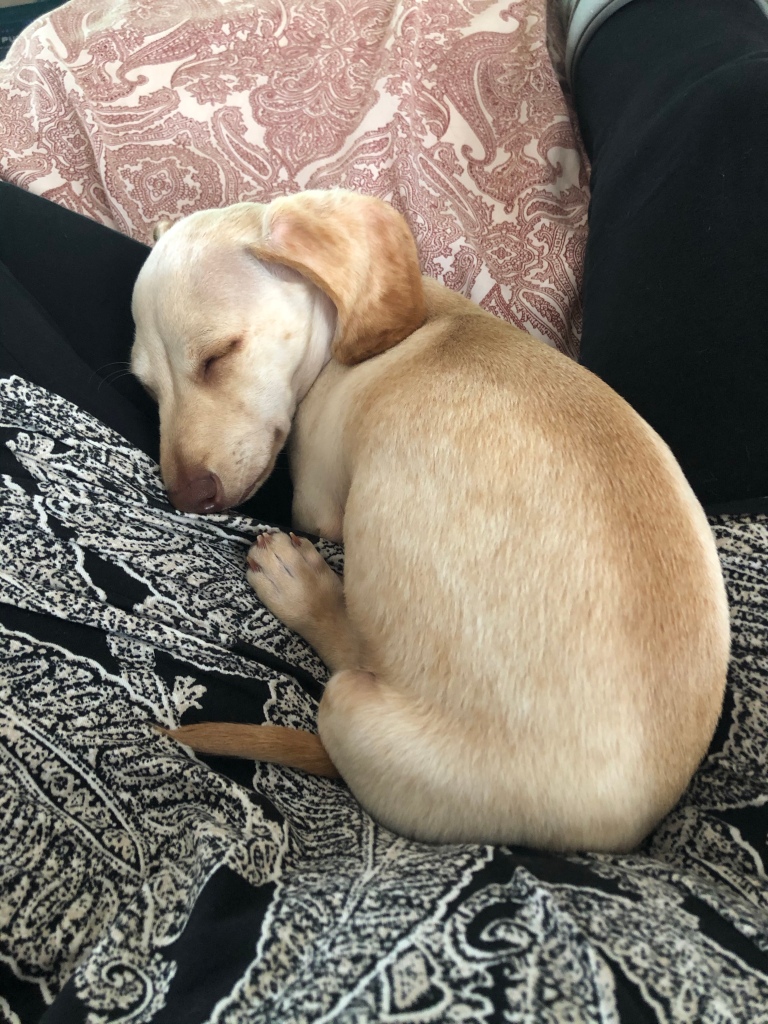
You as well as puppy therapy. ❤️
Dennis the dachshund takes turns between my lap and my husband’s while we propour legs.
Yesterday I noted this reflection on social media: “All I did in 2019 was survive it.”
Why did I think of the pool of Bethesda and the legend of the angel “troubling the waters“? Was it the sense of just enduring? The lack of hope?
The words stirred my soul on multiple levels.
I can relate to surviving. In 2019, my husband almost didn’t. There is no control in the valley of the shadow of death, only submission. Each long, dark day must be endured; my boys and I waited for the ray of hope.
And the healing came.
It was a year of survival, of change, of pain and loss, of life being altered. But then, joy: On the heels of his father’s recovery, our oldest married, went into the ministry, became a father. This Christmas, our family is bigger. This Christmas, we have so much more life to celebrate. This Christmas, inside the typical clamor, is a deep pocket of stillness. It is like the branches of our tree, frosted silver, catching the light, glimmering with tiny iridescent fire.
We survived, but more importantly, we live. We love. There’s always more love to give, another ray of light just ahead in the darkness, another healing after the troubling of the waters.
Life and hope renewed. Is that not the message of Christmas?
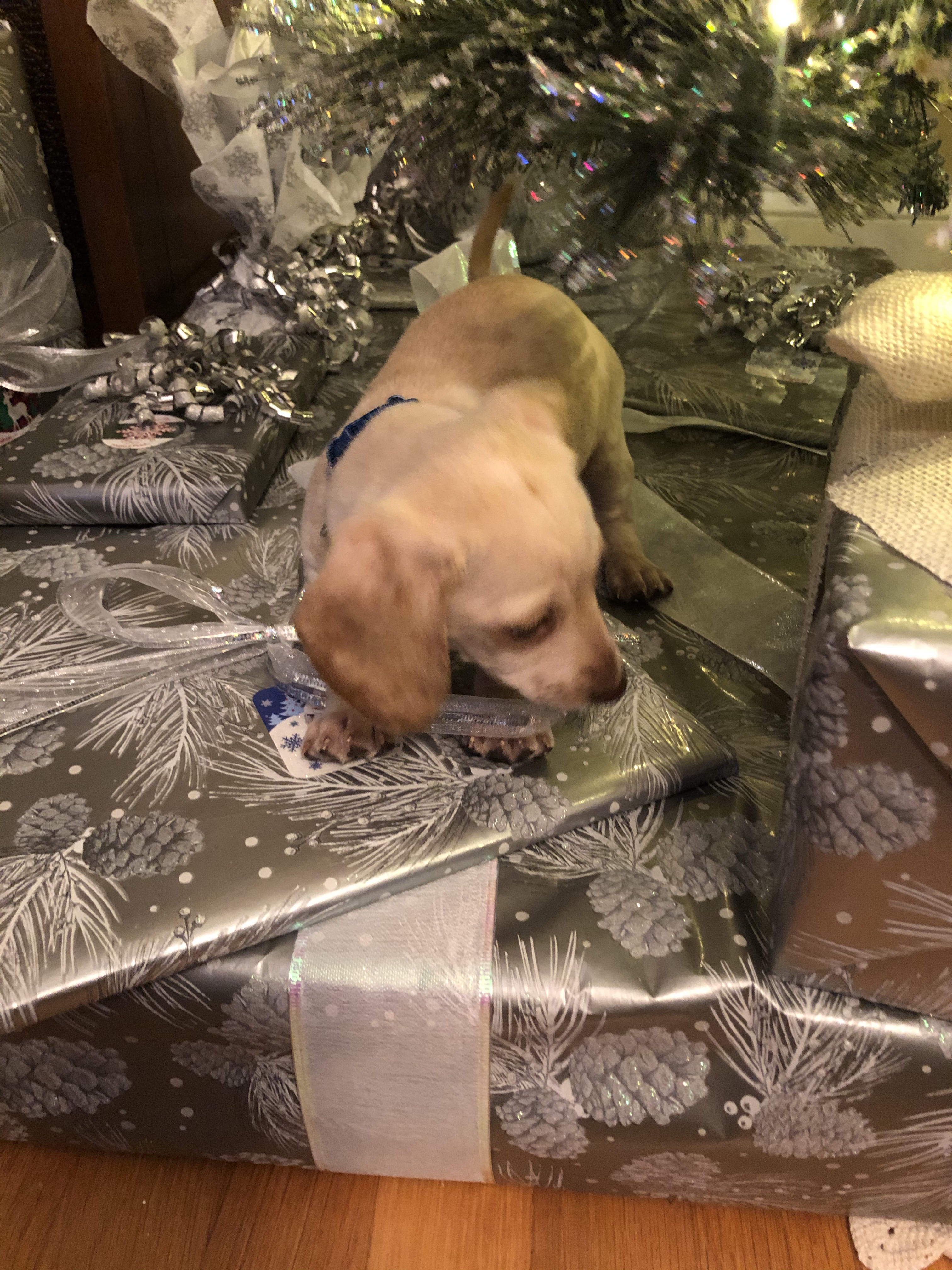
On that note . . . those of you who know this blog will know that 2019 was the first year we were “dogless” for a while.
That aching void is now filled.
I shall leave you with wishes for a holiday in your heart every day that you live and three pounds of sheer joy.
Merry Christmas, loves.
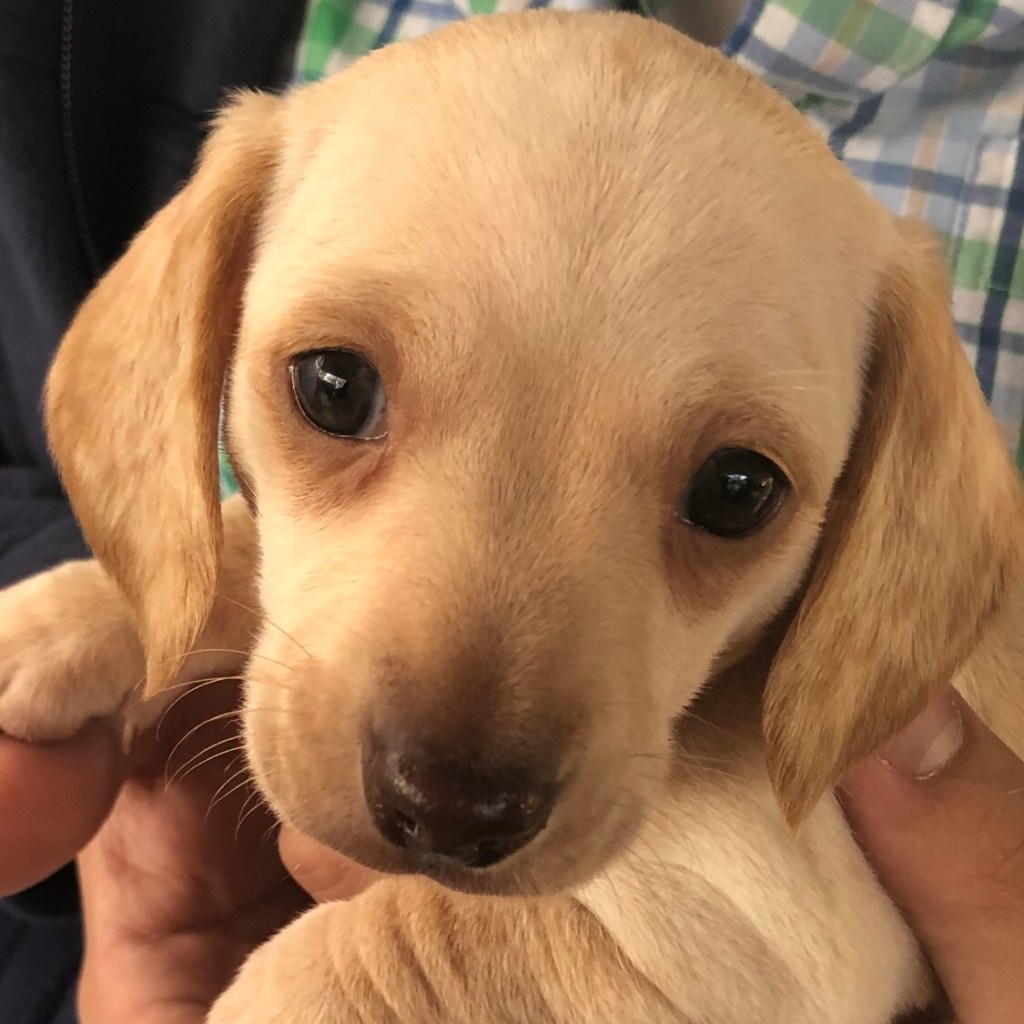
Welcome home, Dennis
So this is Christmas
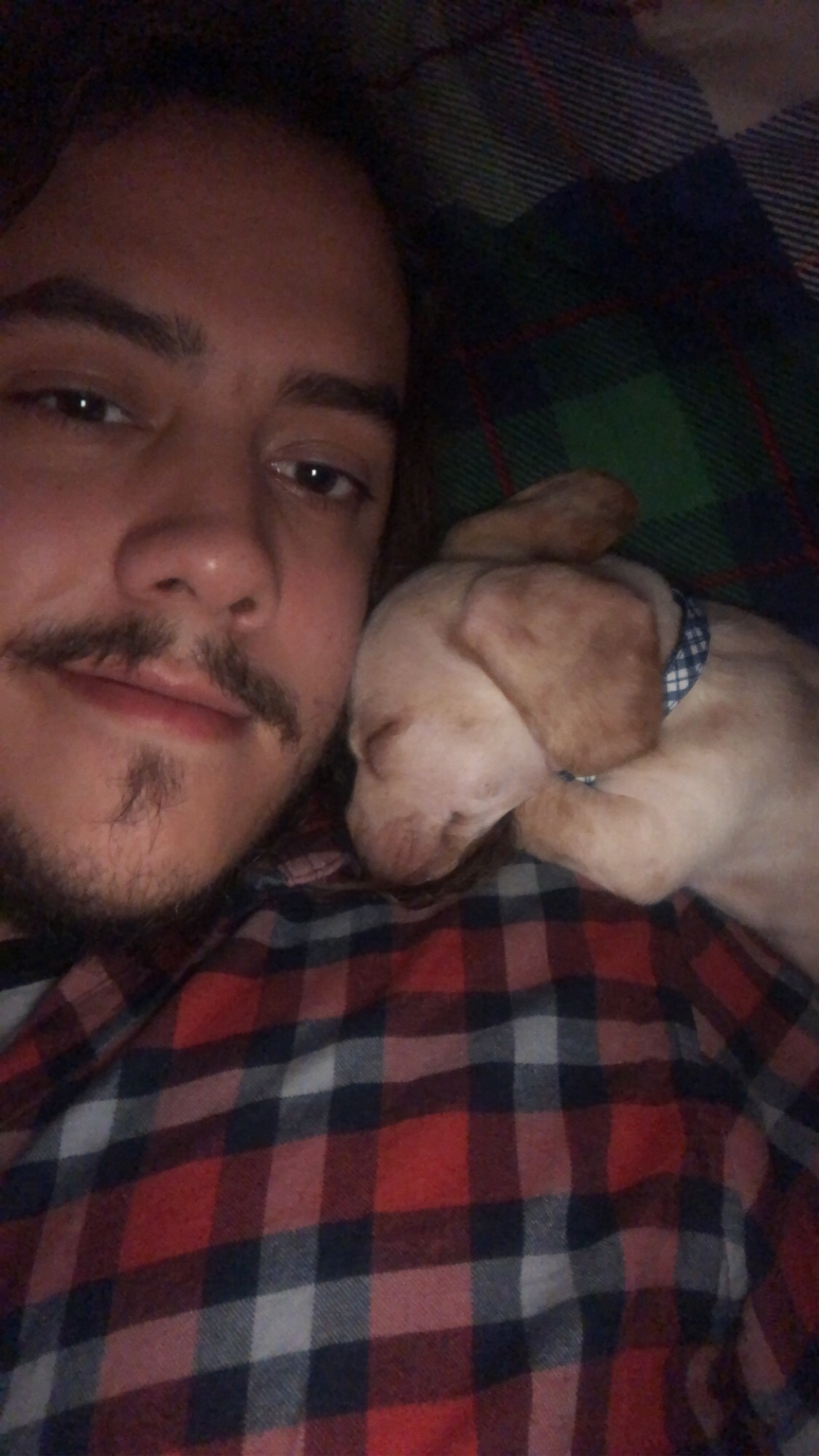
My boy Cadillac Man and his Dennis nestled all snug in their bed
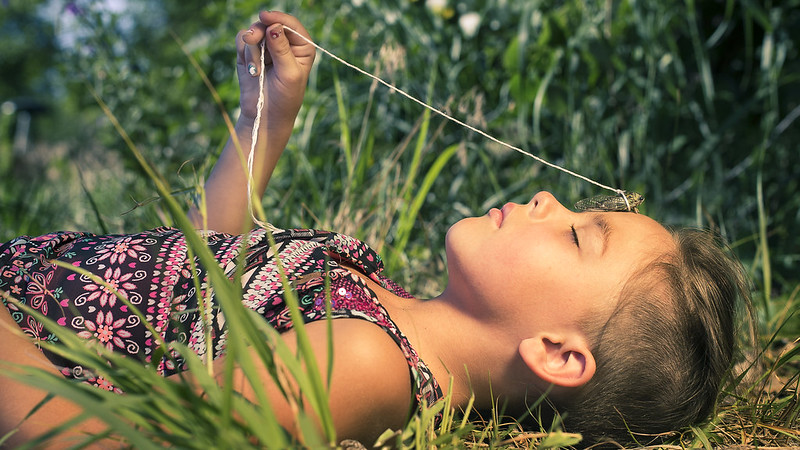
About a month ago I shared this idea for a story about a little girl who loves cicadas and who’s having a hard time dealing with her parents’ separation. The girl’s name is Ada and she becomes seriously ill . . . hence the title, “Sick Ada,” cicada . . .
The story’s been gestating for a while as there were so many things to flesh out: How old is Ada? Why are her parents separated? Who left, Mom or Dad? Why? What’s the deal with her cicada fascination? How does she get sick? Most of all: Where should the story begin?
I considered writing this scene first: Near the end of the story, Ada goes into the hospital, sick enough that her recovery hangs in the balance. It is winter, when cicadas don’t sing, but she hears the heater rattling in her hospital room and believes it to be cicadas. She decides she doesn’t mind dying as long she can hear them . . .
But I am not starting there, and Ada will not die because my friend Kathleen interceded, pleading for the little girl’s life.
Amid much encouragement and a few thinly-veiled threats (thanks, Friends!), here’s the first draft opening scene.
*******
The darkness began to change.
Strips of light glimmered between the blinds until a thin finger of sunshine pushed through, reaching across Ada’s rumpled bed to caress her cheek.
At its warm touch, she opened her eyes.
Morning.
—Oh!
Ada sat straight up in bed.
It’s my birthday! I am nine.
She felt strangely old.
Sitting there in the grayness, Ada knew two certainties. Today the cicadas would start singing. They always started singing on her birthday; Daddy said it was their song of celebration for her coming into the world. He would sing to her, too, only this time it would be over the phone. He promised to call today. Next week when school was finally out, Mama would drive Ada to the airport, put her on a plane, and Daddy would be there to meet her when the plane landed. It would be her first flight.
Ada wondered if cicadas sang on the other side of the country.
The other certainty was that she wouldn’t get her biggest birthday wish of all, that Daddy would come home to stay.
*******
So, Friends, that’s how Ada’s story begins for now, rough as it is.
For the record: The cicada is an ancient symbol of change or transformation and the name “Ada” just so happens to mean “noble.”
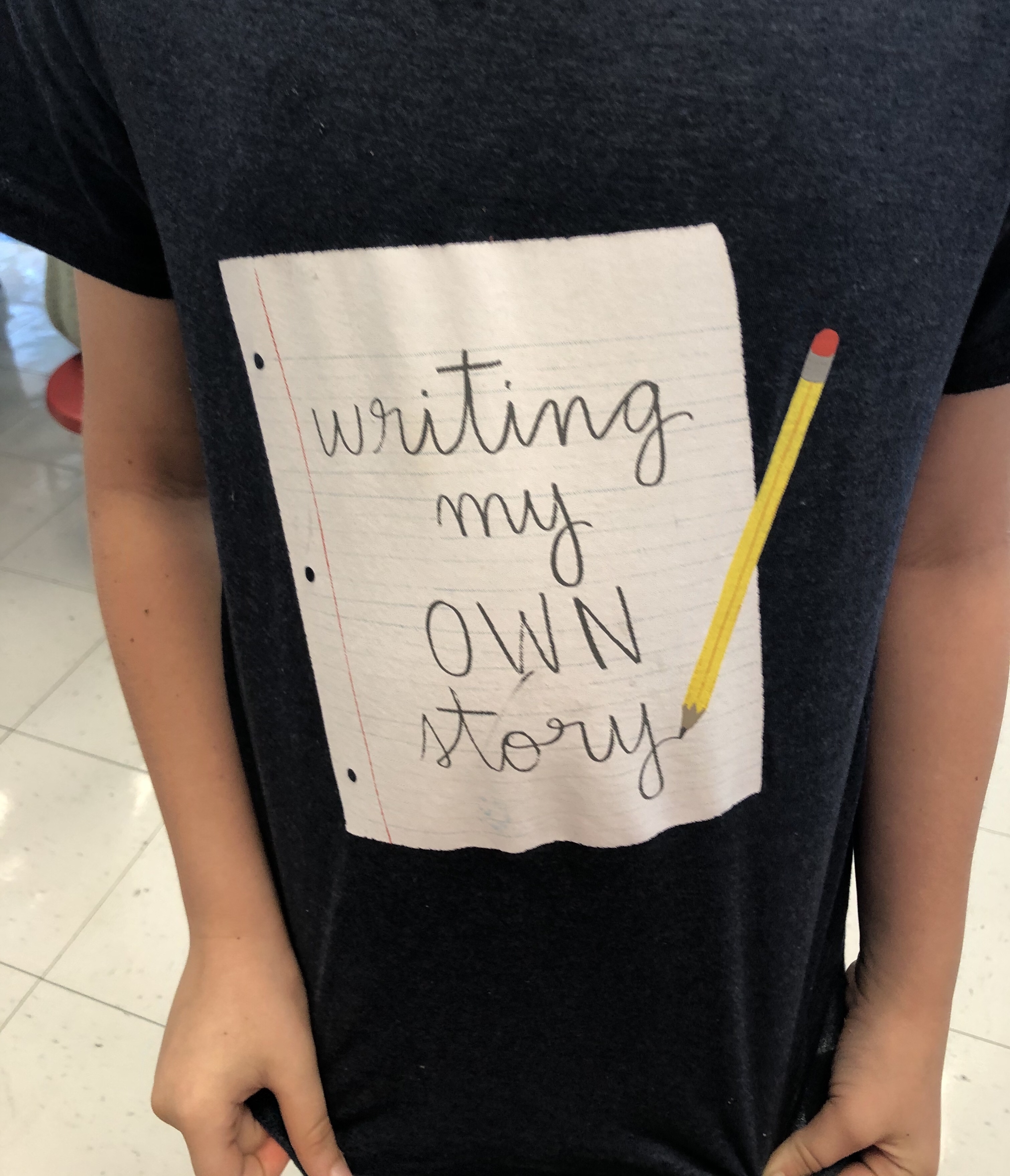
I saw his shirt from across the crowded cafeteria:
Writing my OWN story.
I hadn’t seen him before, didn’t know him, but I had to go over and say: “That’s the most awesome shirt! Do you like to write?”
He smiled and nodded, eyes bright and cheerful: “Yes!”
We had a short conversation about reading and writing. He was new to our school. After this initial encounter he was quick to come ask questions if he wasn’t sure about how we do things here, always greeting me with an earnest face and slightly self-conscious smile.
He wasn’t with us long. On his last days, he asked if he could stay after lunch and clean all of the tables as his grade level headed to recess. He wiped every table meticulously, then straightened all of the cardboard trays in the serving line for the classes to follow.
I understood.
It was something he could control. A positive and productive outlet.
I never got to write with him.
I thought about students over the years and what I learned about their lives from their writing. A girl whose family slept in their car on the journey north to visit relatives for the holidays; how she woke in the morning, shivering, to find frost coating the windows. A teenager whose vivid third-person narrative about a child born in another country, who survives abuse to find a new life and family in America . . . it switches to first person at the end as he rejoices and reveals he was that child. A first-grader who wanted to write about her dog, how the police shot and killed it. Unnerved, I told her teacher, in hopes that this was just a disturbing fabrication. It wasn’t. The child saw it happen.
For all the story-loving writer that I am, I know writing is not a magic cure for the pain and scars of life. It is, however, a real coping mechanism, a positive and productive outlet, a way of seeing and dealing with and finding hope to overcome. Even in the youngest of us, many of whom already know that life doesn’t follow a neat formula, that it seldom follows a clear and sensible series of steps. I often think about what passes for “writing” in schools; it can’t always be a neat response to a text or a prompt. If we are truly to equip children with tools for life, it begins with a real response to their lives in this world. We owe them, for as long as we have them, a place to feel safe, to be loved, a way of having some control in the face of change, to find their own power despite their powerlessness.To write their own lives, even as life is unfolding.
To have hope on the journey as it takes so many twists and turns.
Time is of the essence; we don’t know for how long or short a time they’ll be in our sphere of influence. Good-byes can come without warning.
And so I quickly gathered the best tools I had at my disposal: pencils, notebooks, a couple of favorite books from my shelf. It was my way of saying Godspeed, child. Write your OWN story. Believe. Attend to your heart. Here’s a piece of mine to carry with you.
Edward knew what it was like to say over and over again the names of those you had left behind. He knew what it was like to miss someone. And so he listened. And in his listening, his heart opened wide and then wider still.
You must be filled with expectancy. You must be awash in hope. You must wonder who will love you, whom you will love next.
—excerpts, Kate DiCamillo, The Miraculous Journey of Edward Tulane
The words roll round my mind as I drive to work, noting how the rising sun gilds the trees in all their fall colors against a deep charcoal sky. The sharp glory of it is beyond my power to describe. It’s beautiful. Haunting. Fierce. How can there be such detailed color and brilliance when the sky is so strangely dark? If a storm is brewing, why is the light so golden-bright? And where exactly is it coming from? The sun itself is hidden.
I cannot quite capture how I feel. It’s more than one thing. Awe. Reverence. Curiosity. A bit of foreboding.
Mostly gratitude for having been here to see it.
Holy day.
Holiday.
I am thinking a lot about the interplay of light and dark this holiday week.
And the fierce beauty of life.
My husband is here after a massive heart attack this summer. His surgeon said that his blockages were such that when the last artery went down that day, he had no reserve; he made a “medically inexplicable recovery.” This coming only three years after my husband lost an eye to ocular melanoma.
Light and dark, dark and light.
He lives to see our son get married the day after Thanksgiving. Not just to see it, but to officiate. After all the years of praying for the boy to go into the ministry and the boy saying, no, Dad, that’s not for me.
He ordained our son into the ministry three weeks ago.
Never say never.
Today the boy took the last of his things out of our house to finish setting up his new home. He’s gone, but not too far away.
He took his dog.
Henry.
The last dog.
In two years, we’ve lost three: Nikolaus the dachshund to old age. Banjo the yellow Lab that I raised from age seven weeks to a new home because my husband can no longer manage a 90-pound dog after bypass surgery. And now Henry, the best of the best, the rescue dog whose sole mission in life is to extract and exude as much love as possible.
I am now dogless for the first time in almost two decades. On every one of those days I could always count on a happy greeting, an ever-faithful warmth, some commiseration or comic relief. No tail thumping tonight, no snuffling, whiskered nose in my hand, no nails scrambling on the floor in exuberance for a pat, a treat.
How strange is it that my son moves out and I write about missing the dog.
And another thing: I recently wrote about the two old mules around the corner, how one of them was sick. I often saw it lying on its side in the pasture as the other mule grazed nearby. The farmer didn’t want to put his ailing mule down, knowing that the other mule would grieve, as they had never been apart. He finally had to. When I rode by the following week, I saw the remaining mule standing bereft in the pasture. My friend who lives on an adjoining farm said the mule hadn’t eaten since its sister died. I dared not drive that way for a few days afterward, fearing what I’d see, or not see. But this week I braved it. I drove past the pasture. There was the mule, grazing, which made me happy. As I watched, a big orange tabby cat came strolling across the pasture to sit by the mule. It looked right in my direction, swishing its tail.
A once-in-a-lifetime photo shoot that I couldn’t stop and capture.
And then today as I went by . . . the cat was still there. In all these years of loving those old mules from afar, I have never seen any other creature in the pasture. That cat is there keeping that mule company. It was sent. I am sure of it.
What is life but a bizarre balancing act, a series of give and take, comings and goings, losses and comforts, laced with love, fierce in itself. A mosaic of light and color, a stark silhouette against a backdrop of darkest gray.
Holy days.
Holidays.
Every day is one to be celebrated.
Tonight I go to sleep in my dogless house, beside my husband who’s still here. We have one more son sleeping upstairs. Although there’s an ache, there’s not emptiness. I am grateful for that big orange cat who’s out in the pasture with the old mule left behind. I am grateful to see the glory and drama of autumn with the promise of celebrations to come. I am deeply grateful my oldest has found his calling at the same time great love has entered his life; on the day after Thanksgiving, he becomes a husband and a father all at once. It just so happens that his wedding day is the second anniversary of his grandmother’s passing; how she’d rejoice for him.
Light and dark, dark and light.
Oh, and on the wedding night, I get to bring home a little girl, officially my granddaughter; she and I will have our own celebration with Bride’s Cake ice cream and peppermint bark Oreos and probably the movie Frozen.
I put the Christmas tree up early, just for her.
Holidays.
Holy days.
How can there be so much light.
********
Note: After publishing this post, I learned that the big orange cat has a name: Sunshine.
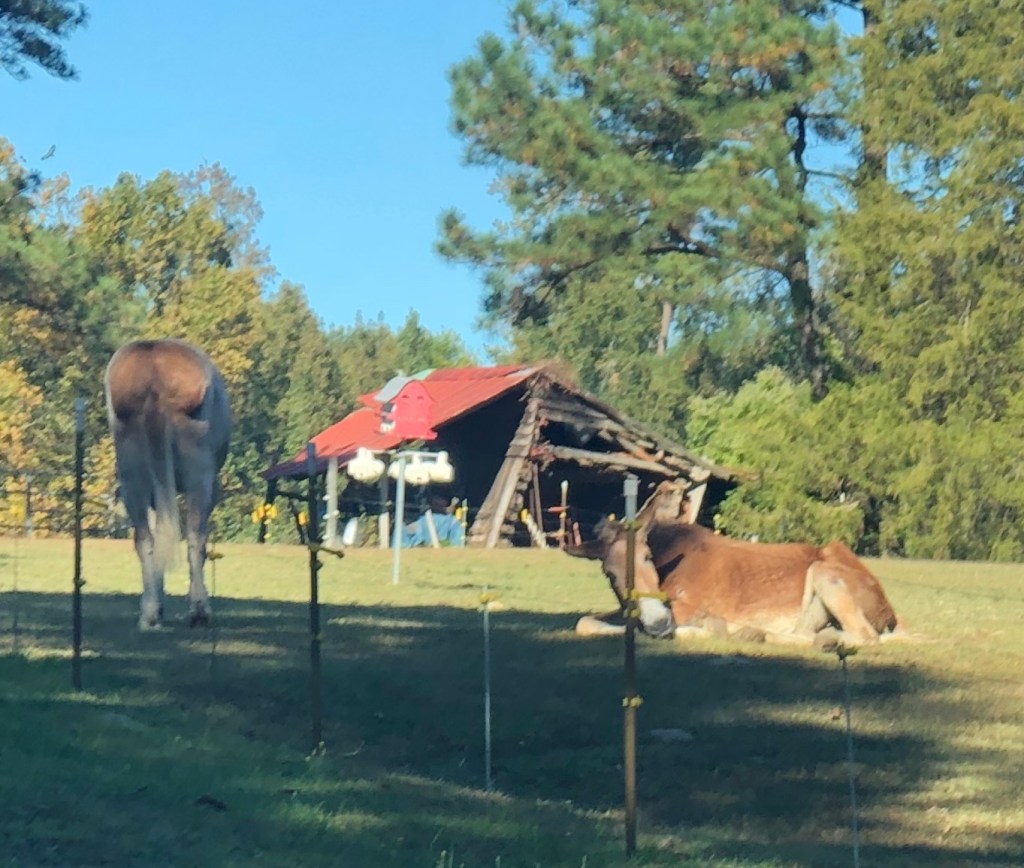
I love the two old mules who live down the road and around the bend from me.
They do not know this, of course. They don’t know me at all.
They do not know how they stir my soul when I drive by their pasture, or how the sight of them makes me feel like I just might be, for a few seconds, back in time. They are a brief glimpse of rural life as it was in the 1930s. Or 1920s. Or even long before. They are remnants of a time when man lived closer to the earth and life was hard but somehow better. The mules are reminders of my grandfather; I’ve rhapsodized about that before, having been a little girl who grew up in the city longing for the countryside that my grandfather loved and the past that he lived. All because of the stories. Granddaddy said, “Nobody had any money but everybody looked after each other and we were happy.”
So, I see these old mules several times a week and they never fail to lift my spirits. They fill me with an inexplicable sense of peace and well-being.
Until.
One day in the last few weeks when I drove by the pasture, anticipating this little stab of joy that the mules always impart, one of them was lying down on its side.
Odd.
In all the years I’ve lived here, I have never seen one of the mules lying down.
The next time I drove by, the mule was still lying there in the same place. Completely on its side, motionless, while the other mule grazed close by.
I didn’t like it. Something was wrong.
On the third day when I passed by, that mule was in the very same spot and position.
I started to cry.
It had to be dead. What other reason could there be?
And where was the farmer? Didn’t he KNOW his mule was lying out there? Why would he leave it to die like this?
I came home and told my husband, sniffling: “I think one of those old mules is dead.”
“Why?”
“It’s been lying on its side in the very same spot for three days. It hasn’t moved at all.”
“Hmmm,” my husband mulled. “Did you see any buzzards?”
“Uh, no . . . .”
“All right then. The mule’s not dead.”
His nonchalance irritated me.
And the next day when I drove by the pasture — lo and behold! — the mule was standing!
I drove by several times, rejoicing.
—It is possible that the mules now know my car, even if they don’t know me.
And it occurred to me that I might be developing an obsession so I ceased mule-stalking for a couple of days.
But I asked a friend: “You know those mules who live just up from you? What’s wrong with one of them? I’ve seen it lying down so much I thought it had died. Except that there were no buzzards.”
Yes, my friend knows the mules and the farmer. Yes, that mule is not well and the farmer is quite aware. He’s had these mules for thirty years, since they were three years old. They are sisters, named Penny and Annie. The farmer knows Annie is suffering; she’s old and she now has sores from lying on her side so much. The farmer told my friend that he ought to put her down . . . except that when he does, her sister Penny will grieve herself to death. They have never been apart.
And my soul is stirred, my heart wrenches anew at this love story within a love story within a love story.
I brace myself every time I drive around the familiar bend, as the fencing and the red roof of the dilapidated barn come into view, not knowing what I’ll see. Maybe on a day when the sky is its bluest blue and the grass is its greenest green, Annie will go peacefully. It’s autumn now; as I draw near I see the shadows of the trees dappling the grass, waving to and fro, and little yellow leaves wafting through the air, catching the sunlight like glittering specks of gold. Maybe it will be a day like today. I suddenly worry about the coming frosts and Annie lying out there in the open instead of being warm and safe in the barn with Penny.
I reach the pasture. I slow down.
Annie’s lying on her side.
I come to a stop.
Penny quits grazing, lifts her head, looks at me.
Then Annie raises up to sit and look at me.
We watch each other for a minute.
I wonder what they think.
I can’t stay here in the road, so I drive on.
That was yesterday.
Today, today . . . when I rounded the bend early in the morning . . . they were both lying down.
Sisters to the end.
I will not want to drive this way anymore when the pasture stands empty, but for this moment, the mules live, they love, and their little pasture is a hallowed place.
More so than ever.
I think again of my favorite Shakespearean sonnet, about autumn, about dying, about the coming of night and being consumed by that which once nourished, about loving well that which you must leave . . . if mules had funeral services and if I officiated, that would be my eulogy.
—My muleogy.
Ah, Penny and Annie, you can’t know that when you go, you’ll take a little part of me with you.
Maybe it’s illogical.
I only know it’s true.
For I love you two old mules who live down the road and around the bend from me.

 lit bits and pieces