Always

The annual Slice of Life Story Challenge with Two Writing Teachers commences today, meaning that I will be posting every day in the month of March. This is my fifth consecutive year of participating.

I’ve learned a few things along the way about perseverance, creativity, and trust. Writing is, after all, an experiment in trust. You must trust yourself, trust that the words will come, that the Muse WILL show up. You take the plunge, trusting in the congenial ebb and flow of the writing community. You become a conduit of giving, of receiving. That is the power of story.

This year I am also experimenting with an abecedarian approach. Rationale: If I write around a word beginning with each letter of the alphabet…it will carry me through twenty-six days! That gives me five “wild card” days for the thirty-one in March. We’ll see how it goes. I could start with my word for the year, awe, but as I’ve written about that quite a bit since January, I will go in a different direction today.

I begin, instead, with always.

Always is cloaked in the aura of awe, anyway.

******

It’s woven through every great love story. The unbreakable thread, even when knotted with pain and loss. It glitters in the brightest moments and in the darkest; it is anchored deep in the human heart. It is the pull of permanence in the face of impermanence, mortality, powerlessness.

It is the word Severus Snape speaks in Harry Potter and the Deathly Hallows, the moment we learn that he isn’t pure evil, that he has lived for years in his own personal hell, that he loved, and still loves, Harry’s dead mother. Snape will die protecting her son (which, if he’d made different choices along the way, might have been his own; the bitterness and self-blame run so deep). When this all dawns on the Hogwarts headmaster, Dumbledore, he asks, in tears, if Snape still loves Lily “after all this time.”

Snape says: Always.

He is, in that one word, redeemed.

It is the operative word of the song Dolly Parton wrote in 1973 when she left Porter Wagoner and his show to begin her solo career: I Will Always Love You. Bittersweet lyrics, wishing the best for someone as the relationship itself disintegrates…it’s not just about love. It’s about always. It reverberates with gratitude. And you’re likely hearing Whitney Houston’s voice instead of Dolly’s—the young, beautiful, vibrant Whitney, always alive in that iconic song.

It is a memory word, pulsating in the veins of our allotted days. What are the things, the moments, that you will carry with you always? The people, the songs, the stories?

Always is why I write. To remember those things that matter, to jettison those that burden, to sail on through the storms to the calm that lies beyond. It is always there. Morning always follows the longest night. Night is always necessary; it invokes sleep, opportunity for the brain to repair itself. A mooring, in order to keep powering on. Much like writing itself.

Then there are dreams…an always-fascinating phenomenon.

I’ve been paying attention to those of late, writing them down, especially recurring dream symbols: birds, notably eagles. Lots of vivid green in unexpected places. Water, which is a metaphor for life. Once I dreamed I was swimming at dusk in an unknown sea alongside a shore dotted with houses and twinkling lights. I knew my destination was still a long way off. Just as I felt I wouldn’t make it, a dolphin came to guide me onward. It stayed close to my side, occasionally leaping. I touched it. I felt its slick, smooth skin against my palm. On contact, an instantaneous infusion of comfort: I absorbed the dolphin’s inherent cheer; I could rely on its agility, its navigational acuity. See how even dreams lead back to trust. Dreams are not always good, but most of mine are, thankfully. Troubled dreams are often the psyche’s way of trying to problem-solve.

And that takes me back to my great love, writing—for it’s the ultimate problem-solving mechanism. Writing is the chance dream while awake.

Always.

Harry Potter fans know the symbolism of the doe…

*******

Another favorite ‘a’ word in addition to always and awe: Abide. I wrote around that last autumn. A new “a” word I’ve learned: Anaplastology. Ana = anew, plastos = something that is made, so, “something made anew.” It is the branch of medicine which deals with prosthetic rehabilitation of a missing or malformed body part.

Let there be awe (OLW 2021)

Like many writers I am in the habit of selecting One Little Word (also known as One Word) at the beginning of a new year. It is a lens through which to view the craft of writing and, to me, the craft of living. A well-chosen OLW can guide to deeper meanings, connections, and creativity; it is a reflective tool, a restorative practice, sometimes a call to action. One little word can be a mighty force of reckoning.

In an earlier post, I wrote about not being in the frame of mind to choose a word for 2021 until I stumbled upon this quote in my planner. Surely I saw it there before, this tiny, tiny print, like a microscopic footnote, at the bottom of January 1st:

Experiencing awe (the feeling of being in the presence of something bigger than you) can improve your physical health and make you more altruistic. Intentionally create awe this month by spending time in nature, meditating, volunteering, etc.

It was like a shaft of sunlight through barren, tangled trees, an electric jolt through the settling-winter numbness of my brain.

Awe. It is familiar. One can’t be a writer, a reader, be around children, savor the healing mysteries of nature, have faith in Almighty God, without experiencing it. I’d never thought about awe improving physical health; certainly that stems from its effects on mental, emotional, spiritual health. Never thought about awe as a source of altruism, having the power to shift focus away from self to promoting the well-being of others. I certainly never thought about intentionally creating awe. Inviting awe, yes. I want to fling all the windows and doors of my entire being open for it. But creating it? I mean, isn’t awe a response to encountering the extraordinary, something much bigger than me? Am I capable of intentionally creating it? Seems a curious choice of words for something so spontaneously generated.

I sat looking at my planner, wondering…knowing in that moment awe had chosen me and there was nothing for it but to bow in reverential submission.

Immediately, I began to expect.

I can’t imagine all the ways awe will present itself this year. Trying to imagine kind of defeats the purpose. It’s more of a recognizing in the moment thing. I just know that awe is coming.

Truth of the matter…it’s all around, if I stop, if I am still enough, to sense it. If I let it be the lens through which to view the craft and artistry of being alive.

Awe is a matter of perspective…we can see it, if we try. It is tucked inside the ordinary. It lives in moments and outlasts time. It is tiny as coding in cells, as vast as the universe. The big picture book containing all of our life’s stories, for they are intertwined.

Keeping the heart open for it might even lead to a hand in creating it.

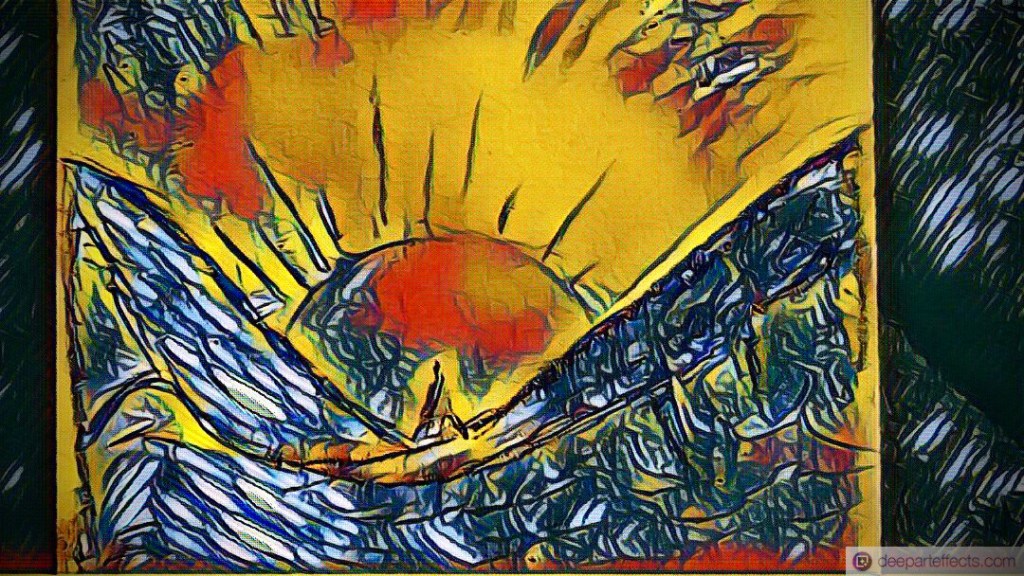
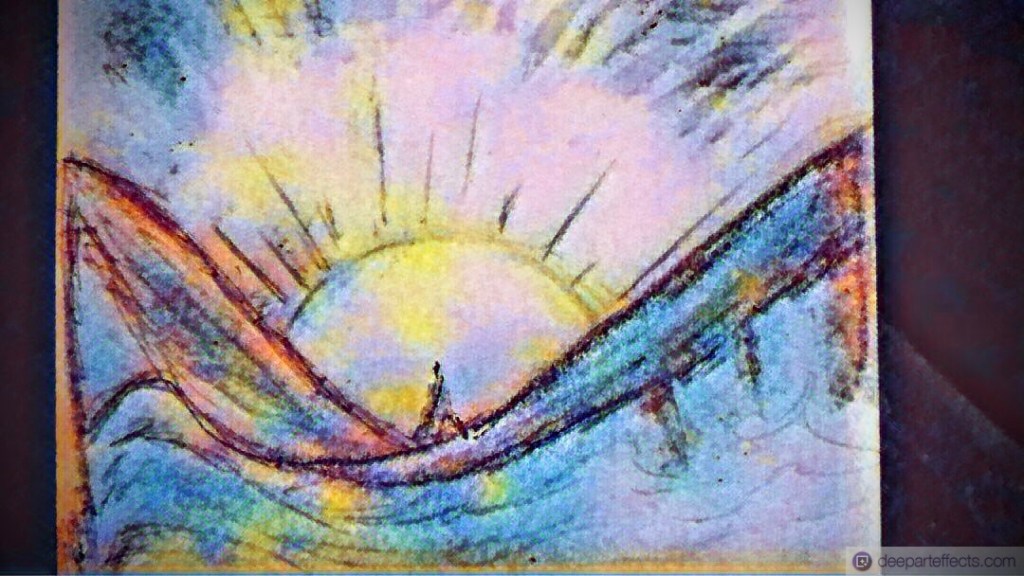
My sketch representing AWE in response to Carol Varsalona’s recent #K12ArtChat.
Can you see the word in the landscape?


I decided to run the sketch through the Deep Art Effects app.
The following were my favorite styles.
Wishing you AWE in 2021.
Be on the lookout for it.
Maybe make it happen.

*******

with thanks to the awesome community at Two Writing Teachers
and to Carol Varsalona for the sketch inspiration
.

My most recent posts on the power of words:

Spiritual Word Journey – reflecting on being chosen by “awe”
When – a poem-prayer lament, composed of one word on each line


More on “awe” to come.

Dennis!

a little Poetry Friday fun

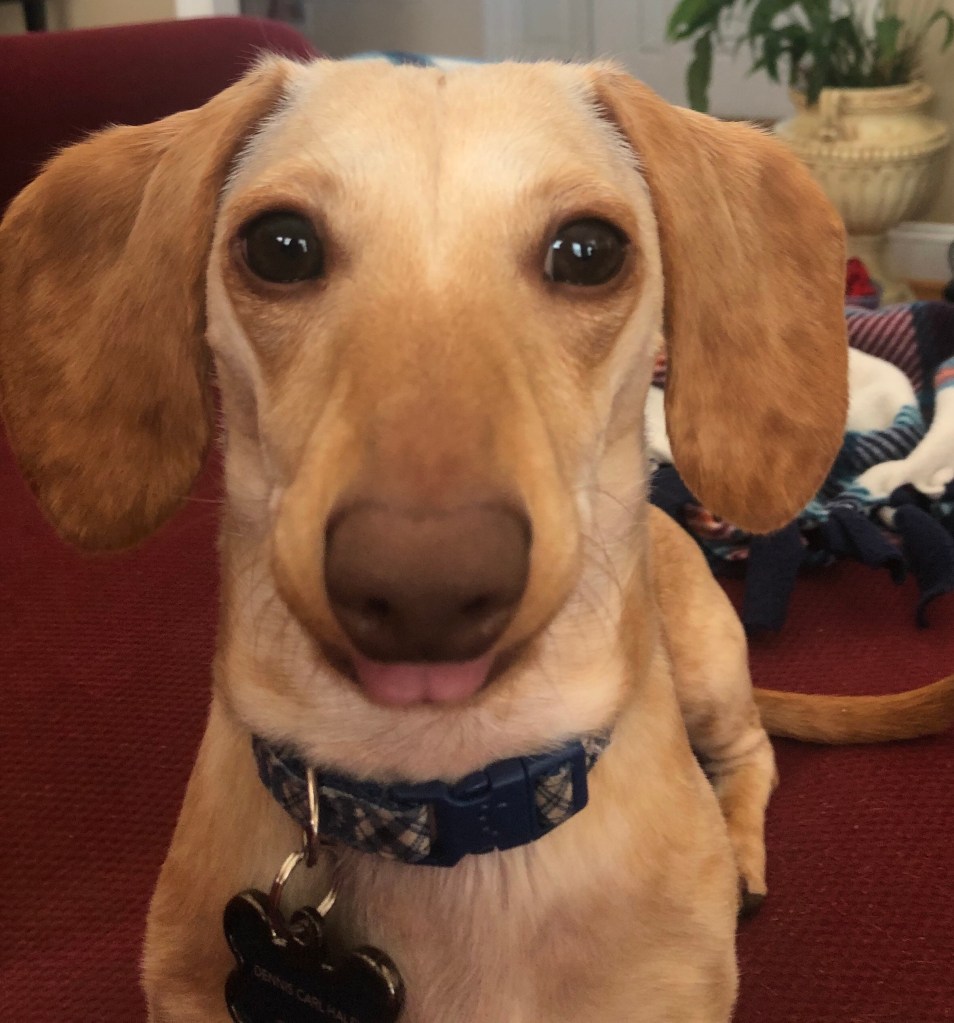
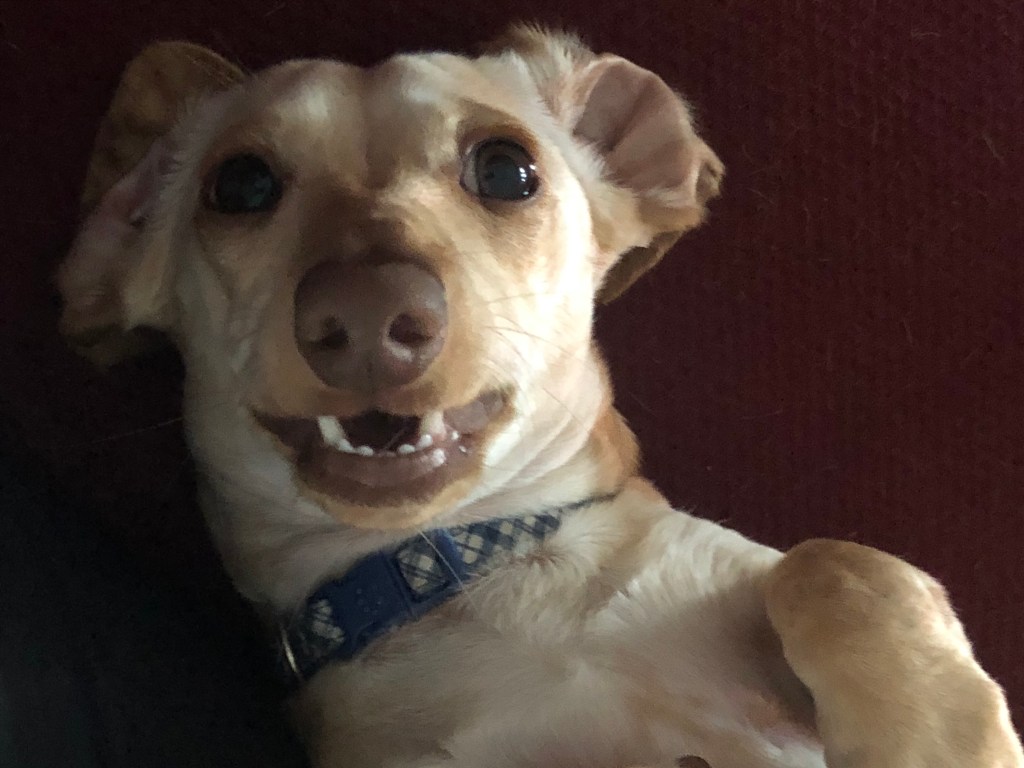
Hi! I’m Dennis!

I’ve been waiting and waiting for the world to know about me!

The world SHOULD know about me! The world NEEDS to know about me!

Here are a few reasons why!

No. 1: My “Me” Acrostic!

(I live and breathe this every day! It’s who I am!)

Determined!
Energetic!
Ninja-like (only when sneaking socks)!
Nosey (hey, I’m a hound who’s gotta know all)!
Incredible (IMHO)!
Spirited!

Most of all, I love to have FUN FUN FUN…which reminds me of my namesake!

No. 2: My Namesake!

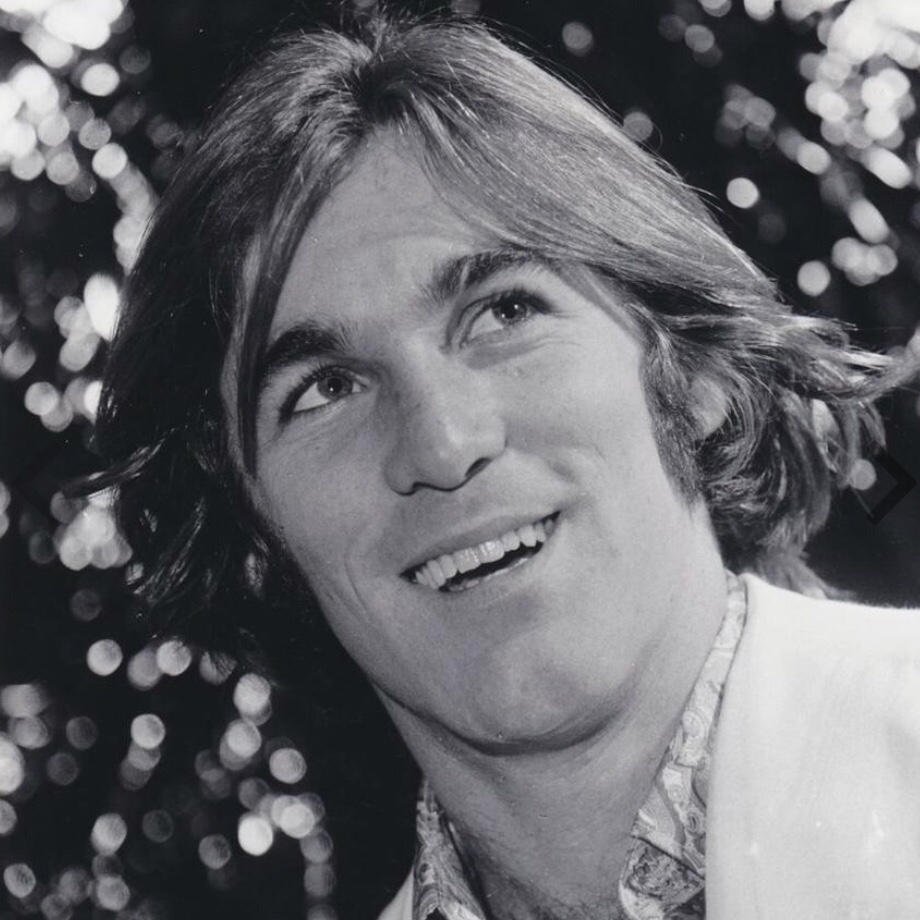
He was a famous drummer! I should be famous! My heart is drumming like mad all the time! Maybe you have heard of Dennis Wilson? We even look EXACTLY ALIKE!

—Toldja!

Mirror, mirror, on the wall
Who’s the fairest Dennis of all?

Well, gosh, that’s easy – ME!

And, not only am I named for a famous drummer, I do great impressions!

No. 3: Dobby!

A sock, a sock
my soul for a sock!

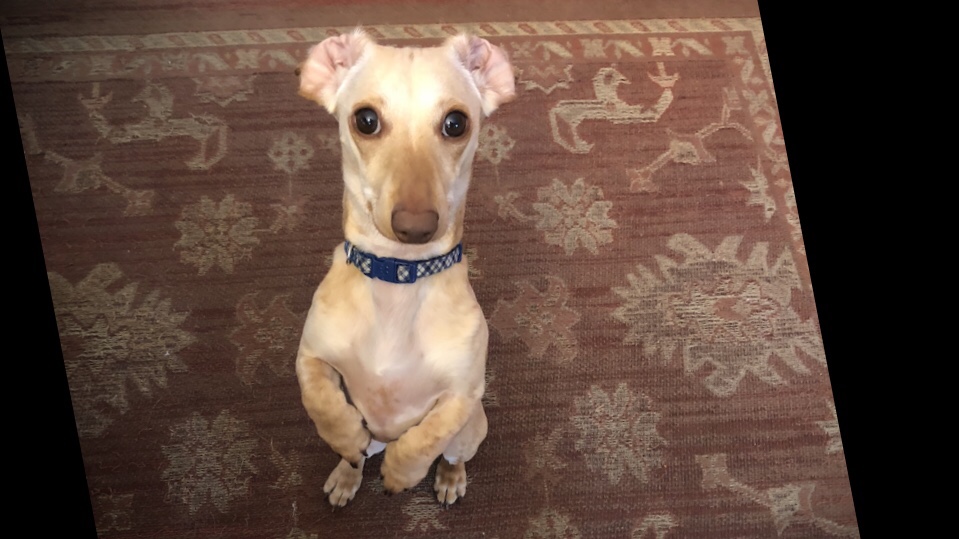
—um, you all know Harry Potter, right? Didja notice how the border in my portrait goes diagonally?
Get it?
Diagon Alley?
Get it? Get it?

Oh, never mind!

I should also be a model for other famous books!

No. 4: Modeling for Children’s Lit!

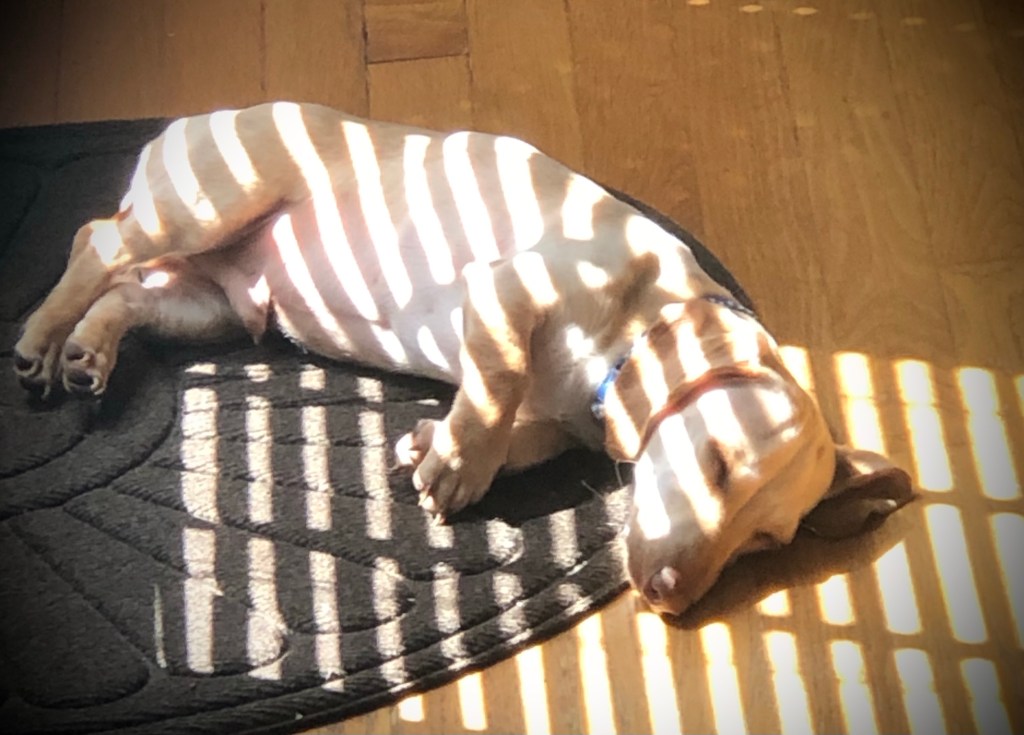
Here I have A Bad Case of Stripes!

Actually, not bad, surely just a very warm and cozy case of stripes!

Warm and cozy
sunny, dozy

just dream dream dream
but not of Camilla Cream

Hey! I AM CREAM!…but don’t call me Camilla!

Lastly, I am part of a wildly popular decorating craze!

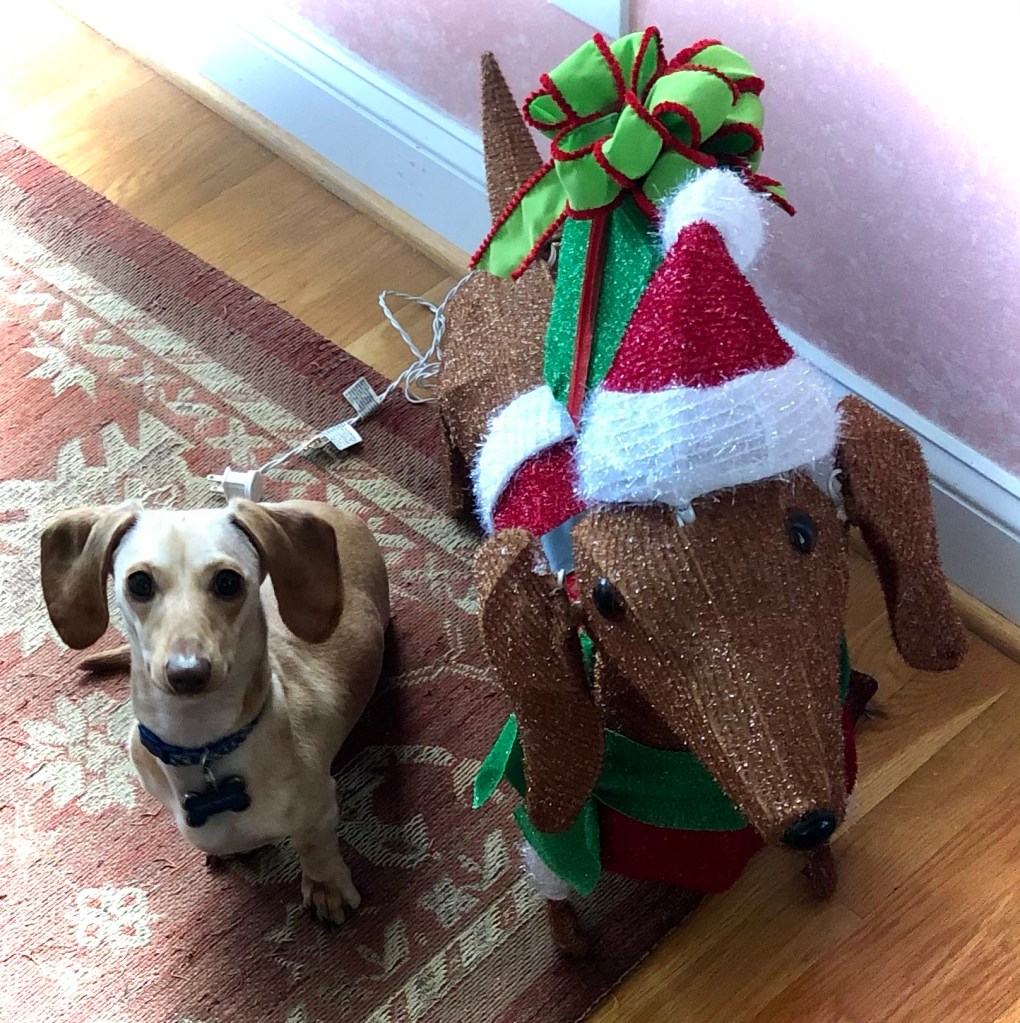
No. 5: Best. Christmas. Decoration. EVER!

AmIrite? AmIrite?!

—yikes, that’s all I’ve got time for, I hear a car in the driveway, gotta go, gotta know…!
One last thing before I dash off:

I wish you happiness
I wish you joy
I wish you sun-striped dreams
And all your favorite things
And safety ’til this 2020 pox is past
And a dox upon your house, at last!

—Or, one in your lap, at least!

Thanks for stopping by and getting to know me! You can’t say your world isn’t a tiny bit brighter!

You’re welcome!

Bye now!

Y’all come back soon, hear?

*******

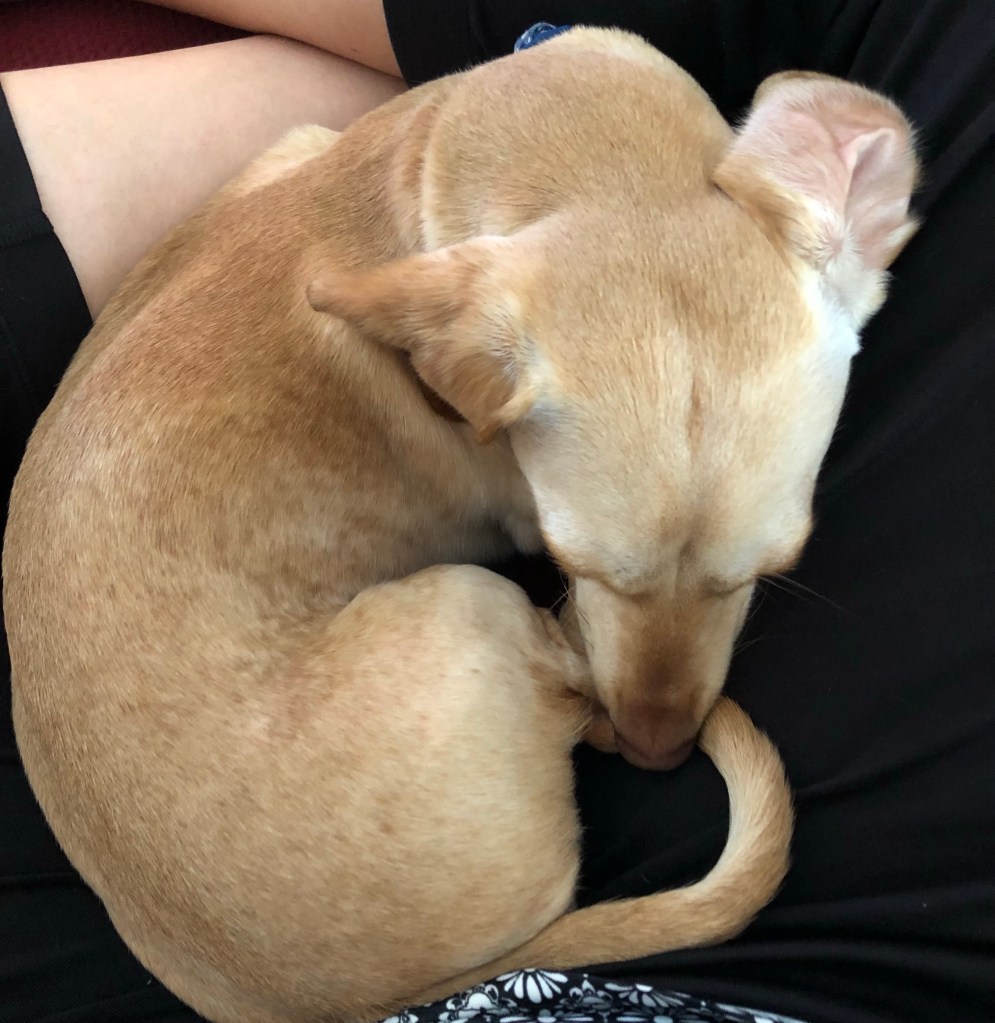
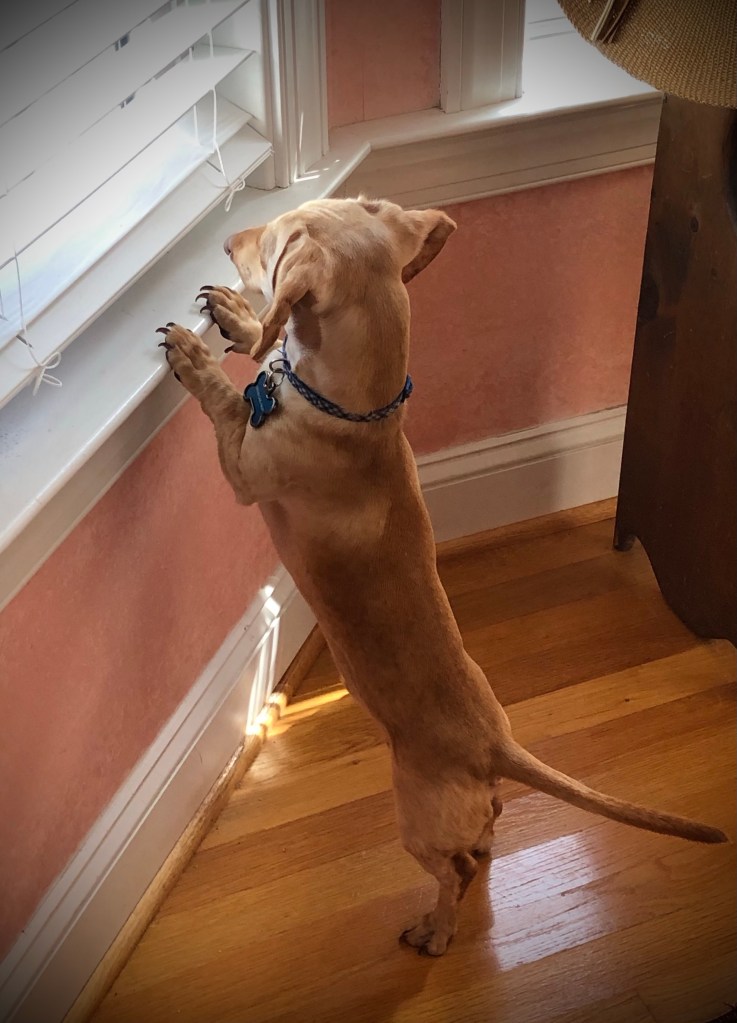
Dennis is a light in my family’s life for sure, sparking lots of laughter with his lively antics. He’s a one-year-old cream dachshund belonging to my youngest son, a musician and lifelong Beach Boys fan. We brought Dennis home as a tiny puppy (3 lbs.) last December. Here’s to all the dogs that brighten our days...thanks for (hopefully) savoring some silliness and wordplay here.

Thanks also to the amazing Poetry Friday poets and to Buffy Silverman for hosting the Roundup.

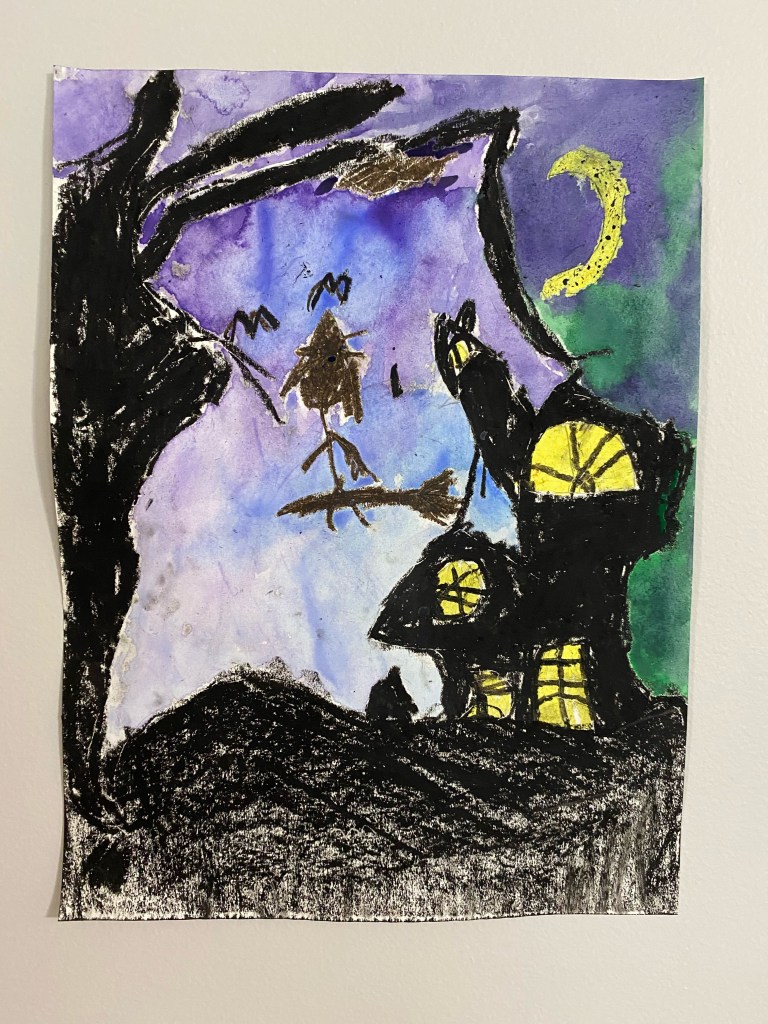
The witch’s flight

Mixed media by Scout, age 4.

One purple Halloween night
the mean old witch took flight
on her broom, headed east
to find her favorite sugary feast.
The sloth is the witch’s pet,
up the tree, as high as he can get,
sleeping under the crescent moon
—”HAHAHAAAA!” cackles the witch,
“I’ll be back soon!”

*******

poem collaboration by Scout and Franna, who wish you a Happy Halloween.
Scout says “Watch out for that witch.”

Wolf at the door

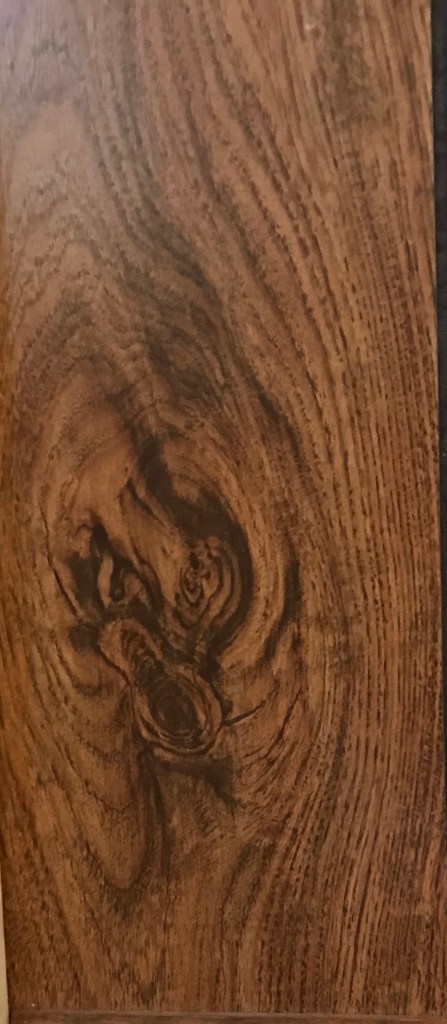
A friend sent me this photo after my recent pareidolia poem to a face in a cloud – pareidolia being the misperception of a stimulus as some familiar object, pattern, or meaning. It’s a normal phenomenon. The human brain’s visual system has a specialized mechanism for face recognition: the fusiform face area. We see, we interpret, we strive to make meaning, in more ways than we ever realize…

So: Do you see the wolf in this wood panel?

Imagine, then, seeing it in your house as a small child, every time you enter your bedroom… seems there could be a lesson here about our worst monsters existing only in our minds, but today the wolf has demanded a poem.

Far be it from me to argue…

Don’t really feel like playing
Not sure I should be saying
In case it hears me
Because it skeers me
That wolf beside my door.
Don’t want to go to bed
If a hundred times it’s said
It’s waiting in the dark there
To snarl and bite and bark there
That wolf beside my door.
What will it do as I go past?
Even if I try it super fast?
No one else knows why
I sit in the floor and cry
Except the wolf beside my door.
Please, I want to say,
Won’t you just go away?
If you will let me rest
I’ll do my very best
Oh Wolf—give me my door!
I hear his wild laughter
Ringing ever after
“Tell me, then, what for?
You’re not a child any more,”
Said the wolf who’s at my door.

With thanks to my friend for the photo and the idea, and to Two Writing Teachers for providing a word-playground for a Slice of Life to run and be free.

Learning decay wordplay

Today on the Ethical ELA blog, teacher-librarian-poet Linda Mitchell kicks off a five-day Open Write invitation by using lists for composing poetry (read her beautiful “Wishing Well Price List” poem and other inspiring offerings here).

Now, I am a notorious list-maker, so much so that my husband once asked: “What are you writing now?”

To which I replied, absently, while hunched over a scrap of paper: “A list.”

“ANOTHER list? For what?”

I hesitated to confess, but I did, in a decidedly small voice … “A list of lists I have to make.”

So. If I am going to base a poem on one of my myriad lists, I must choose quickly or I’ll never begin.

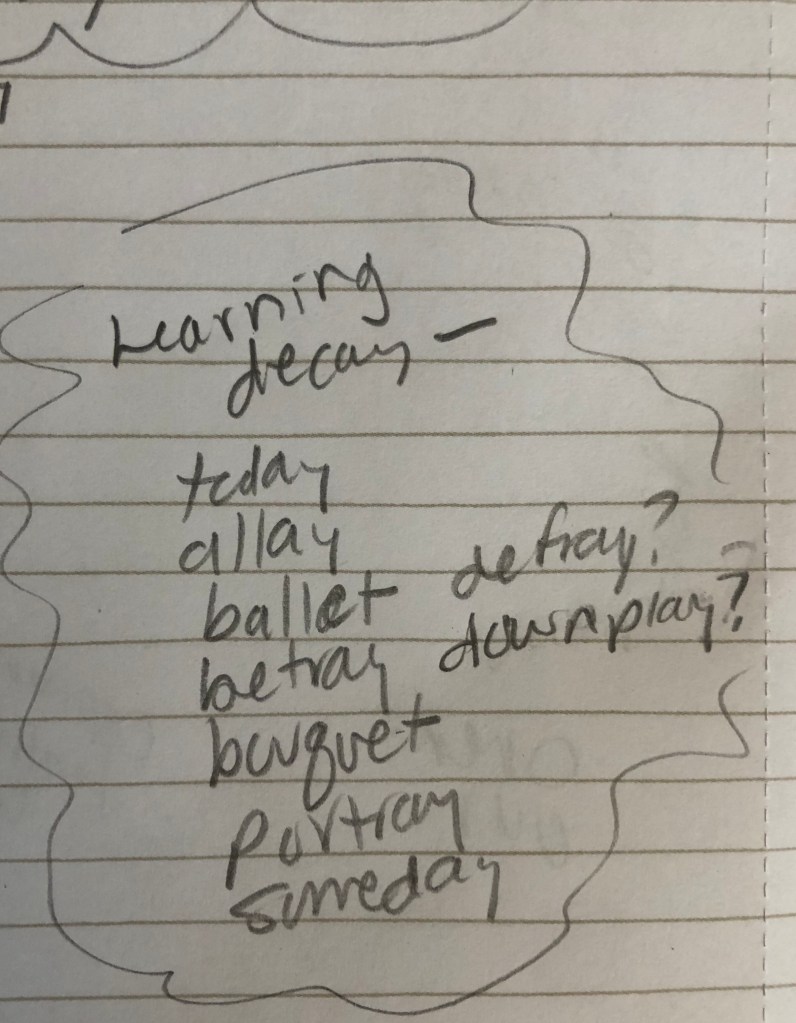
The first thing I turned to in my scrawly notebook idea-keeper was a list of rhyming words based on the phrase “learning decay.” I heard a fellow educator use it recently, expressing concern for children returning to school in the fall after having been out for five months (or longer) due to COVID-19. That idea has been sitting dormant … maybe waiting for just this moment, this prompt, as a lens to lend focus. What can I make of this list? What would help prevent “learning decay” for kids? For ANYONE? For me the answer is always twofold: Read. Write. Always.

One last thing: Kids need to know that writing is more than an assignment and generally hateful chore. They can do it anywhere, anytime, about anything. There are no limits, only endless discoveries. A notebook is a gateway for making sense of the world and discovering what you think and feel … a safe haven, a springboard, a sounding board, a lifeline, a reliquary for housing fragile new ideas, precious fragments of self. It can be on paper. On a screen. It can be a recording. A drawing. Any means of capturing thoughts, impressions, expressions. I use multiple mediums, myself. You’re reading one now. To me, moments spent writing are never wasted; growth is inevitable.

Here’s my rather rapid-fire poem based on “learning decay” and the list of rhyming words in my notebook:


Learning decay?
No, not today.
Strive to allay.
So invite play:
a word ballet,
a thought bouquet.
True soul portray,
not self-betray.
Notebook away,
the cost defray –
Recoup the day.

Poetry Friday: The web

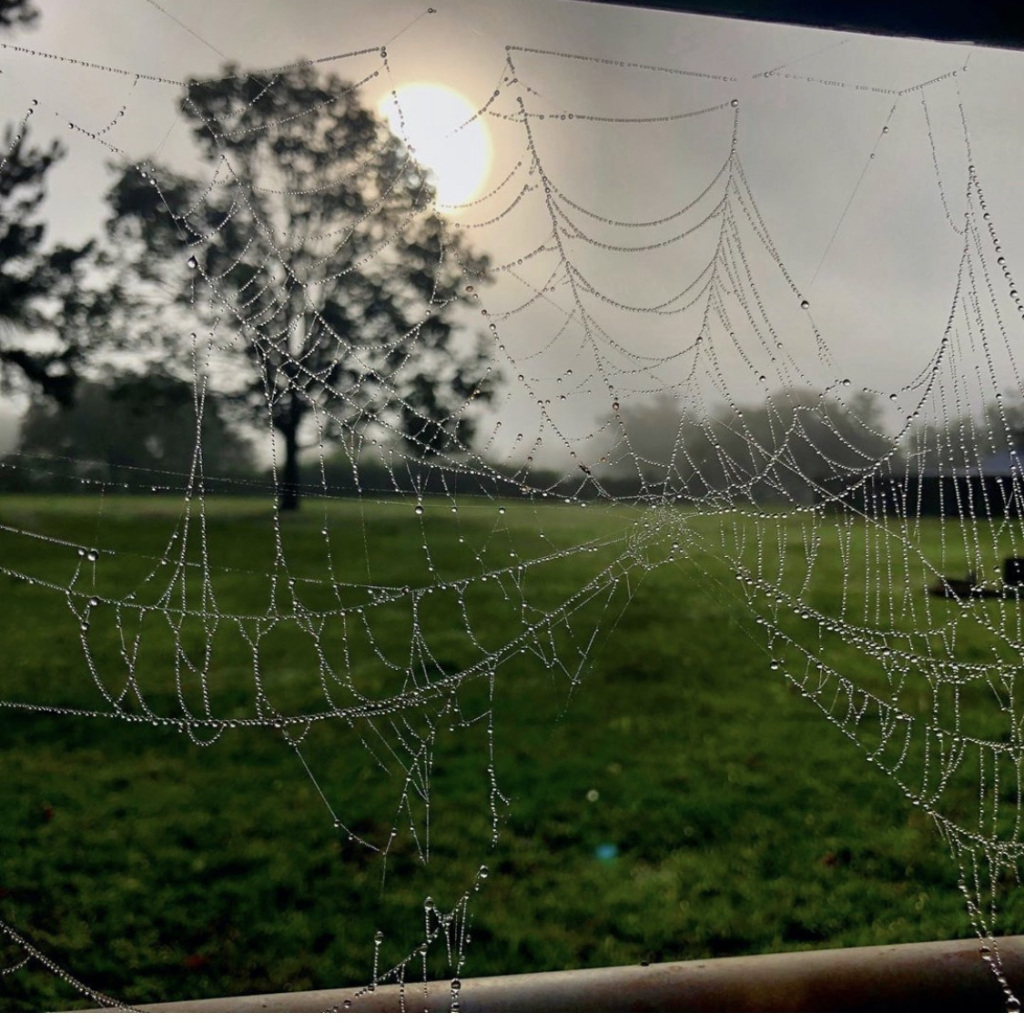
Photo: Morning Web by Jen Gray on “This Photo Wants to Be Poem,” Reflections on the Teche, Margaret Simon.

Teacher-poet-friend Margaret Simon posts a weekly image on her blog along with an invitation to write: “This Photo Wants to Be a Poem.”

Yesterday’s photo, shot by Margaret’s friend Jen, featured a dew-studded spiderweb framing the sun. A compelling call to compose … leading to my first attempt at a non-rhyming loop poem:

Sunrise feels like hope
Hope for a new day
Day of repairing damage done
Done to one another
Another day to try
Try starting afresh
Afresh with distilling dew
Dew droplets, sacred diamonds
Diamonds glittering in the light
Light illuminating the torn web

Web of our intricate interconnectedness.

May we all be found working on our corner of the web—and in the corners of our own hearts.

Thank you, Margaret and Jen, for inspiration to weave.

Check out other offerings at the Poetry Friday Roundup – thank you, Tricia, for hosting today.

A child is a poem

I recently encountered acrostic analogies, thanks to my friend and endless source of inspiration, Margaret Simon. The basic idea is to find your word and then compose analogies on each line, related to the acrostic word.

The word Child came to me pretty quickly:

Courage is to character as
Hope is to heart as
Imagination is to idea as
Love is to life as
Discovery is to delight

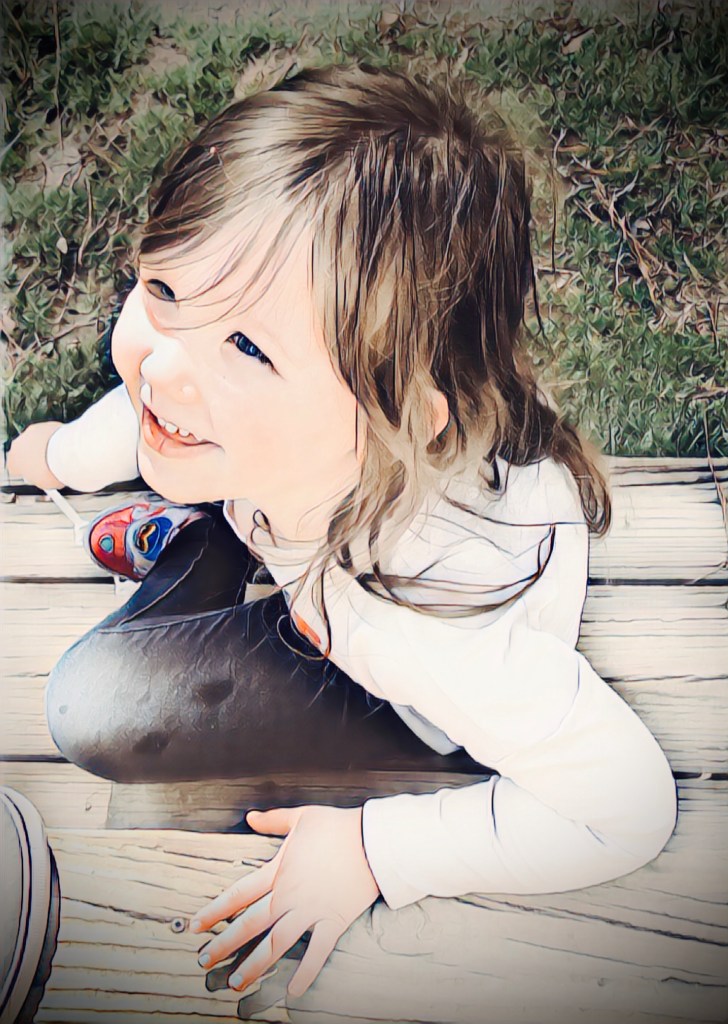
It takes courage to be a child. So much is unknown; there’s so much to learn. I think of my granddaughter, age four, sighing heavily at the end of a long, pre-pandemic day. When my daughter-in-law asked what was the matter, my granddaughter said, with utter bone-weariness: “It’s hard to be a kid.” I think of how natural hope is to children. They hope for summer, for pizza and candy, for snow enough to build a snowman, for specific toys, for special things, for being with special people. Hope seems hardwired into children, as does delight. I originally had “dazzling” in place of delight, thinking how discovery causes a child’s face to light up, sometimes drawing a vocal Ooohhhhhhh and a smile. Dazzling seemed temporary, though. Not sustainable. Delight feels more permanent, a better fit with imagination and a synonym for joy, just as intrinsic as hope to children.

Revisiting this Child acrostic today has me thinking that a child is a poem.

A miracle, how you came to be
You were not, but now you are
Materializing in ways I could not foresee
Stardust forming its own new star
Your own direction you’ll go
Your own rhythm and rhyme you’ll make
In all your wanderlust, just know
That whatever path you take
I’m part of you, you’re part of me

Life interwoven, yours and mine
Images of each other we’ll always be
Written in every line.

Read it as if it is referencing a child—doesn’t matter if it’s a child of your own, any one that you’ve loved or taught, one you’ve happened to encounter, or possibly the child you used to be.

Then read it as if it’s addressing a poem. Certainly one you’ve written. Maybe even one you’ve read.

Tell me a child is not a poem.

Or, at the very least, poetry in motion.

Bocelli: Amazing grace

Last night a concert by tenor Andrea Bocelli was televised. He wanted to offer a message of hope to the world; his own country has been ravaged by COVID-19. And so he was recorded with only an organist on Easter Sunday in the Duomo di Milan, resplendent and empty … when he walked outside, alone, to sing “Amazing Grace” on the cathedral porch, the screen displayed the empty streets of major cities around the world.

Listening, watching, I thought this is one of the most abiding images of our time.

A golden shovel today, in honor of Bocelli, his gift, the wounded world-in-waiting, the healing power of music, prayer, and hope:

How amazing
this lone figure of grace
standing on the church steps singing of how
prayer and hope turn bitter times sweet

while in the deserted streets his angel-voice is the
only sound.

Photo: Andrea Bocelli. laurentius87. CC BY-SA. Edited with Cartoona Sketch.

The bottle

Today I have a literal “found poem.” Meaning not one derived from another’s work but as in finding it while going through folders from previous school years and unearthing poetry I’d modeled for students on writing around an object. I remember taking three objects with special meaning to me so the kids could choose which I’d write about.

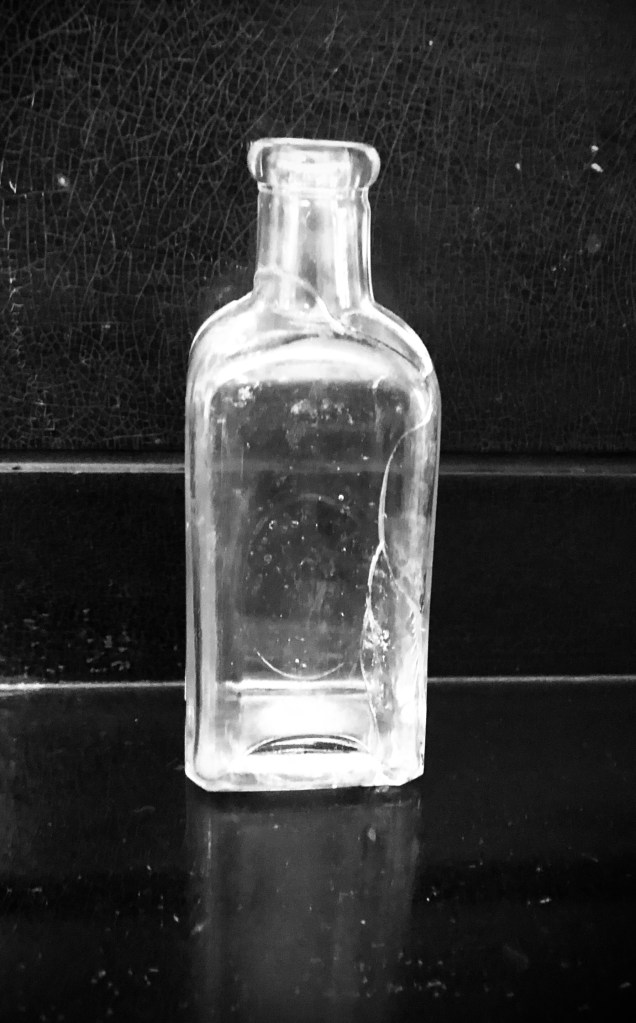
They chose the bottle.

Which I found after my grandfather’s death, visiting the farm where he was born. It was the second and last time I walked this piece of land. The first time, my grandfather, grown old and frail, walked with me. Ten acres of fields bordered by trees is all that remains, but he showed me where the house once stood, and the barns, and the henhouse … all gone without a trace now.

Except for some long-buried treasures.

In the old days, farm families had a trash pile. What wasn’t burned away with fire, or washed away by ages of wind and weather, or destroyed by perpetual tractors and harrows, might be swallowed by the earth until the earth is ready to give it back.

I wasn’t expecting such a gift the day I walked alone, mourning my grandfather.

So, I told the students, as I prepared to draft, when you write about an object you might also consider the feeling the object triggers in you. For me, with this bottle, it’s wonder. I want to incorporate a sense of wonder in this poem.

And so I wrote for them, and they enjoyed making artistic suggestions (they wanted it to rhyme):

Granddaddy is gone
And I walk his old farm
How he loved this place
This wide-open space
Nothing now to see
Where barns and house used to be
Just an empty field
After harvest’s yield
Cold breeze blows
Through my heart, it goes
When I spot in a bit of grass
Sunlight glistening on—glass?
I momentarily forget my hurt
As I dig it from the dirt
—a bottle, imagine that
No telling how long it sat
Buried deep in this ground
As the as the years circled round
Whose hand touched it last
In that long ago past?
Clear glass, heavy, yet small
Cracked but unbroken, all in all
What unseen secrets must it hold
This bottle of stories untold

It holds untold stories, all right. I’ve not determined exactly what tincture this old bottle actually held. The faintest embossed image of a root, almost worn away, remains on the front. A health tonic, likely. I know my grandfather had a sister who died of diphtheria at age three, in 1907. I doubt the bottle is that old but I have visions of my great-grandmother nursing her ailing children and tossing that empty bottle onto the trash heap…

Sparking me to attempt a didactic cinquain:

Bottle
Antiquated, weather-worn
Eroding, cracking, enduring
Poured out for healing
Elixir

Or maybe a double reversed etheree:

Empty of that for which you were fashioned
vessel of life-blood for veins long ceased
drawn from roots to nourish my own
cold glass clasped in hands now still

spooned in mouths now silent
elixir fully
poured out, consumed
every drop

gone
cast off
forgotten
swallowed by earth
kept year after year
without ceremony
lying silent, eroding
enduring seasons, weathering
cracking but enduring, determined
to remain clear with your story obscured.

—oh, little bottle.

How I wish you could speak.