The bottle

Today I have a literal “found poem.” Meaning not one derived from another’s work but as in finding it while going through folders from previous school years and unearthing poetry I’d modeled for students on writing around an object. I remember taking three objects with special meaning to me so the kids could choose which I’d write about.

They chose the bottle.

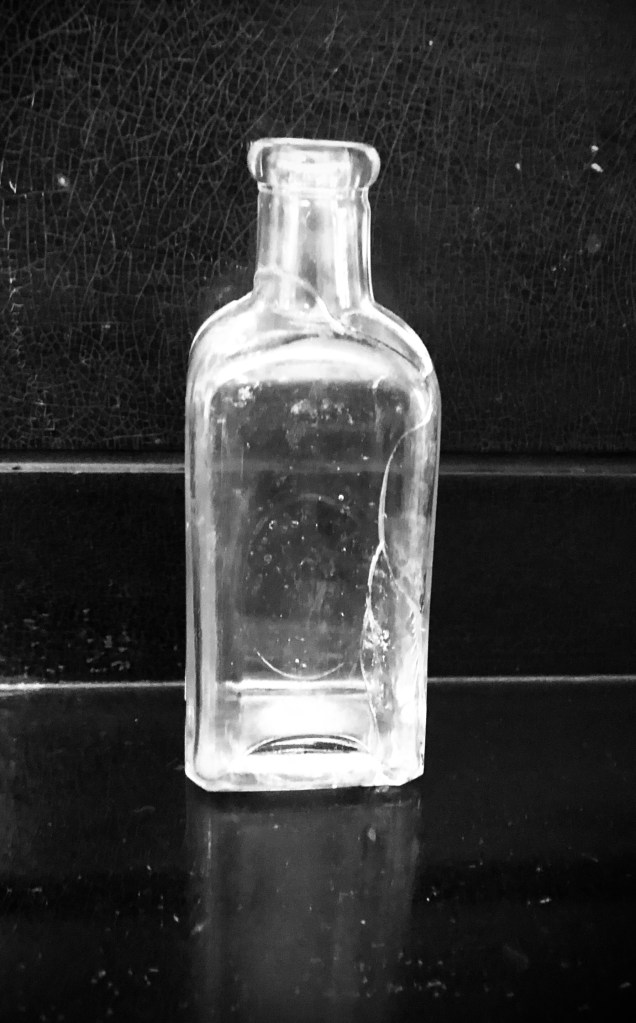
Which I found after my grandfather’s death, visiting the farm where he was born. It was the second and last time I walked this piece of land. The first time, my grandfather, grown old and frail, walked with me. Ten acres of fields bordered by trees is all that remains, but he showed me where the house once stood, and the barns, and the henhouse … all gone without a trace now.

Except for some long-buried treasures.

In the old days, farm families had a trash pile. What wasn’t burned away with fire, or washed away by ages of wind and weather, or destroyed by perpetual tractors and harrows, might be swallowed by the earth until the earth is ready to give it back.

I wasn’t expecting such a gift the day I walked alone, mourning my grandfather.

So, I told the students, as I prepared to draft, when you write about an object you might also consider the feeling the object triggers in you. For me, with this bottle, it’s wonder. I want to incorporate a sense of wonder in this poem.

And so I wrote for them, and they enjoyed making artistic suggestions (they wanted it to rhyme):

Granddaddy is gone
And I walk his old farm
How he loved this place
This wide-open space
Nothing now to see
Where barns and house used to be
Just an empty field
After harvest’s yield
Cold breeze blows
Through my heart, it goes
When I spot in a bit of grass
Sunlight glistening on—glass?
I momentarily forget my hurt
As I dig it from the dirt
—a bottle, imagine that
No telling how long it sat
Buried deep in this ground
As the as the years circled round
Whose hand touched it last
In that long ago past?
Clear glass, heavy, yet small
Cracked but unbroken, all in all
What unseen secrets must it hold
This bottle of stories untold

It holds untold stories, all right. I’ve not determined exactly what tincture this old bottle actually held. The faintest embossed image of a root, almost worn away, remains on the front. A health tonic, likely. I know my grandfather had a sister who died of diphtheria at age three, in 1907. I doubt the bottle is that old but I have visions of my great-grandmother nursing her ailing children and tossing that empty bottle onto the trash heap…

Sparking me to attempt a didactic cinquain:

Bottle
Antiquated, weather-worn
Eroding, cracking, enduring
Poured out for healing
Elixir

Or maybe a double reversed etheree:

Empty of that for which you were fashioned
vessel of life-blood for veins long ceased
drawn from roots to nourish my own
cold glass clasped in hands now still

spooned in mouths now silent
elixir fully
poured out, consumed
every drop

gone
cast off
forgotten
swallowed by earth
kept year after year
without ceremony
lying silent, eroding
enduring seasons, weathering
cracking but enduring, determined
to remain clear with your story obscured.

—oh, little bottle.

How I wish you could speak.

Redemption nonet

One of my favorite themes in literature—in life—is redemption.

Life’s a complicated adventure. Things happen. We respond to them. Each of us is an individual, complex universe of tangled history, experience, emotion, psyche, and DNA. We make choices and our choices make us … and our story. As Shakespeare would say, “Thereby hangs a tale.”

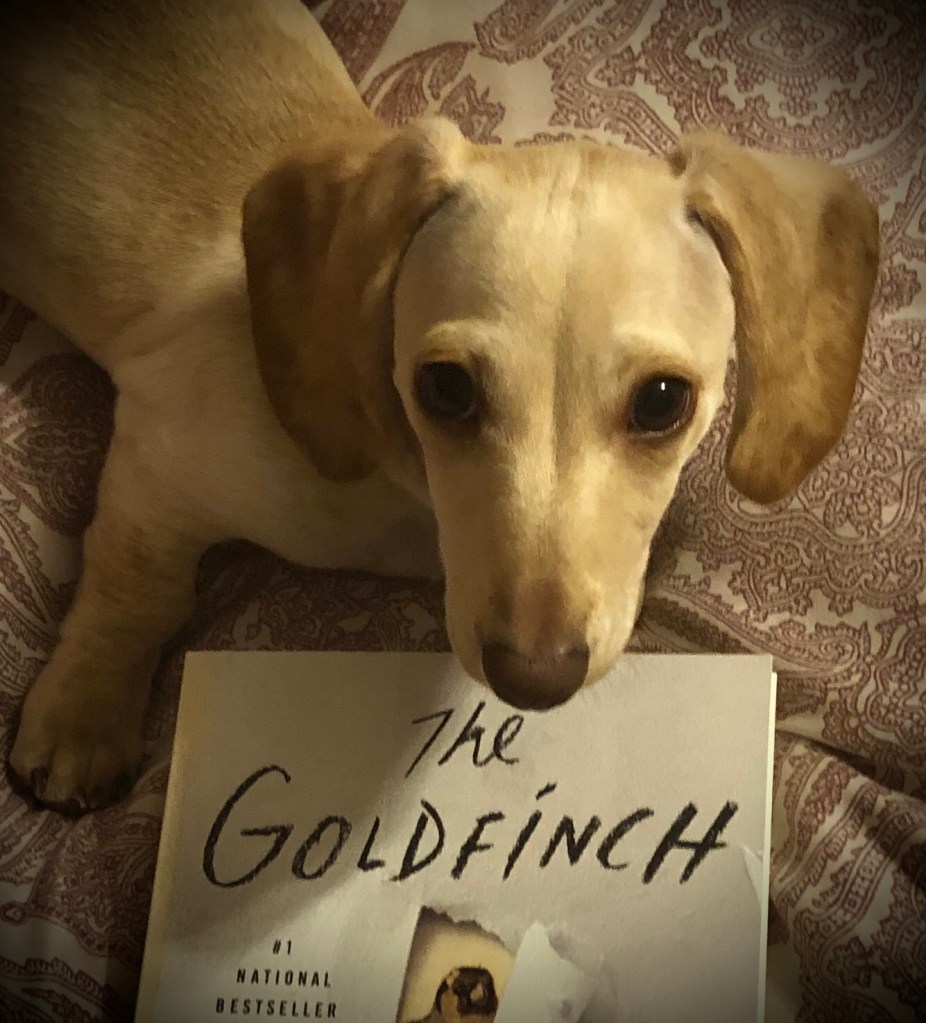
Since I read The Goldfinch in February, while homebound with snow and a broken foot (which seems an eon ago, now) I’ve thought about how certain choices reveal true character more than others. For all the breathtaking artistry of the author’s craftsmanship, in all the moments I paused to reread passages to absorb more of their glory as the story swept me away, one little, shining nugget wedged itself in my heart deeper than anything else. Perhaps it is strange, I don’t know, and I will try not to be a spoiler here … suffice it to say that the main character, suffering from trauma, descends into self-destructive behavior as a means of coping. As he attempts to escape his circumstances, he takes a little dog with him rather than see it neglected. It’s not his dog and he’s actually embarrassed by its “girlishness” (it’s a Maltese) but his appalled distaste over the treatment of the animal and the conditions in which he first found it motivate him to make a rescue at risk to himself. This I found strikingly heroic. A revelation of the character’s inner wiring working at its best. Redeeming.

Then of course there’s the loving character of the little dog itself and I am quite, quite sure that I would have found that just as poignant if I had not had a little dog curled up in my lap as I read the novel.

I have been wanting to capture these sensations, somehow, ever since. Suddenly, today, it gels. Maybe it’s because the sun dawned so bright this morning on our troubled, changed world as it wobbles on. Maybe because this brightness mingles with a searing sense of grief and apprehension about the days to come. About how much of life as we know it will be lost. Destroyed. I’ve been writing an abnormal amount of poetry so maybe images are standing out with sharper edges and taking clearer form than usual.

At any rate, this is my first attempt at a nonet, inspired by that act of rescue in The Goldfinch. Maybe it’s about wishing for rescue. Or redefining it. Sometimes, in saving another, one is often saving oneself …

Redemption may be life’s greatest theme
a sign that all hope is not lost
overcoming brokenness
in the effort to save
another creature
not capable
of saving
itself.
=Love.

Social distance of trees

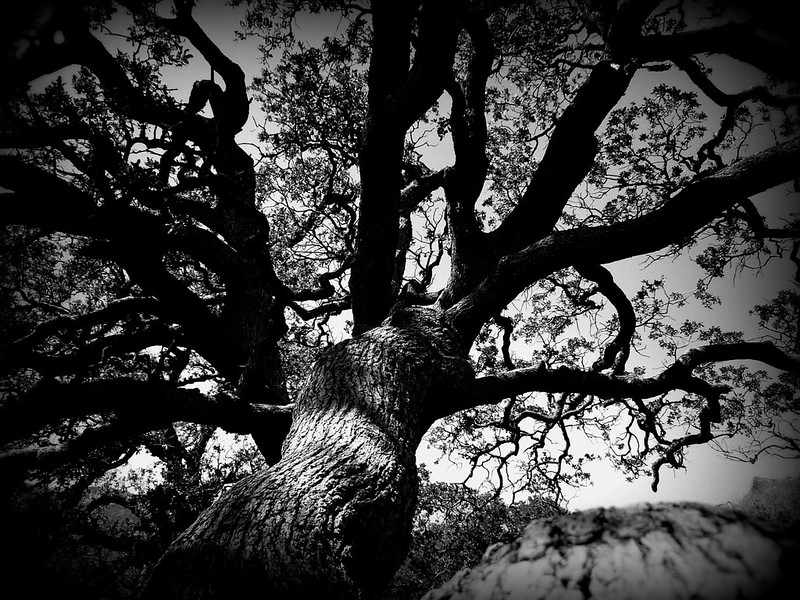
One of the best books I’ve read in recent years is The Overstory, Richard Powers’ novel of the American chestnut blight that wiped out almost all of those beautiful trees by the end of the 1930s. Powers wraps stories of people’s lives around that core like concentric rings. The novel won the Pulitzer Prize for Fiction on April 15, 2019, a year ago yesterday. Author Robert Macfarlane’s enthusiastic praise of the book led me to read it and to plunge deep into the secretive, endlessly fascinating world of trees. They communicate with one another. They have memory. Maybe they are whispering their secrets to us … This week Macfarlane shared an article on Twitter about the social distance practice of some trees, the phenomenon known as crown or canopy shyness, their treetops (“overstory”) not touching in order to survive in the competition for resources like sunlight. That was the clarion call to me: Write something. About trees and how they do this. But what? How? Then I stumbled across a different article about the Fibonacci sequence of trees, oaks in particular: as their branches grow, five branches to two spirals, a pattern is formed. Could I combine these ideas, somehow?

Doesn’t poetry always make a way?

A Fibonacci poem on the social distance practices of trees:

Trees
keep
distance:
crown shyness,
their overstory,
shared but not touching each other.

Photo: Old oak. Dave Parker. CC BY.

Frozen acrostics

Once upon a time, a terrible enchantment swept across the land like a howling, raging wind. It forced people into their homes so lives could be spared. It kept children from being with their friends and grandparents so the evil sickness would not spread. Many heroes waged a mighty battle with a tiny germ at great cost to the whole kingdom. Meanwhile, the people waited … and waited … and waited … and longed, with all their hearts, to be together again. They missed each other fiercely but they knew the waiting was an act of true love, and that love, eventually, conquers all

I would love to hold you close
Sometime soon
Only when it’s safe again
Let this virus go, let it go
All will be well in
Time
It is so long, so hard
On the heart, being apart
Now

Soon the spell will be
Over and we
Can be
In the same bright kingdom together
Again
Let this virus go, let it go
Don’t come back any more
It’s funny how
Some distance makes everything seem like
Time is frozen
Although, little queen of my heart, we are one day
Nearer to overthrowing this
Corona-nation separation to resume our happily
Ever after

Original photo with text: L. Haley. Edited with Cartoona Watercolor.

Blitz poem: Track the love

So far I’ve managed to write a poem a day for National Poetry Month, a feat I’ve never attempted before. All my life I’ve loved rhythm, rhyme, and free verse, but the great fun has been experimenting with form. This is my second completed blitz … how apropos is that name for the times …

Stay at home
Stay on track
Track the days
Track your steps
Steps in faith
Steps to a better you
You should know
You aren’t alone
Alone in all the world
Alone at last
Last night
Last time
Time stands still
Time on our hands
Hands sanitized
Hands not held
Held a puppy
Held in the heart
Heart grows fonder
Heart of the matter
Matter of fact
Matter constitutes the universe
Universe pay
s attention
Universe giving gifts
Gifts to guide you along the way
Gifts of words
Words are power
Words are magic
Magic portals
Magic moments
Moments too few
Moments too short
Short on time
Short of breath
Breath of fresh air
Breath on the mirror

Mirror image
Mirror glass
Glass half empty
Glass half full
Full of sound and fury
Full of hope
Hope against hope
Hope springs eternal
Eternal God
Eternal love
Love like there’s no tomorrow
Love your neighbor
Neighbor

Tomorrow

In case you’re curious: Here’s my first blitz, Signs of Sun.

Easter morning visitor

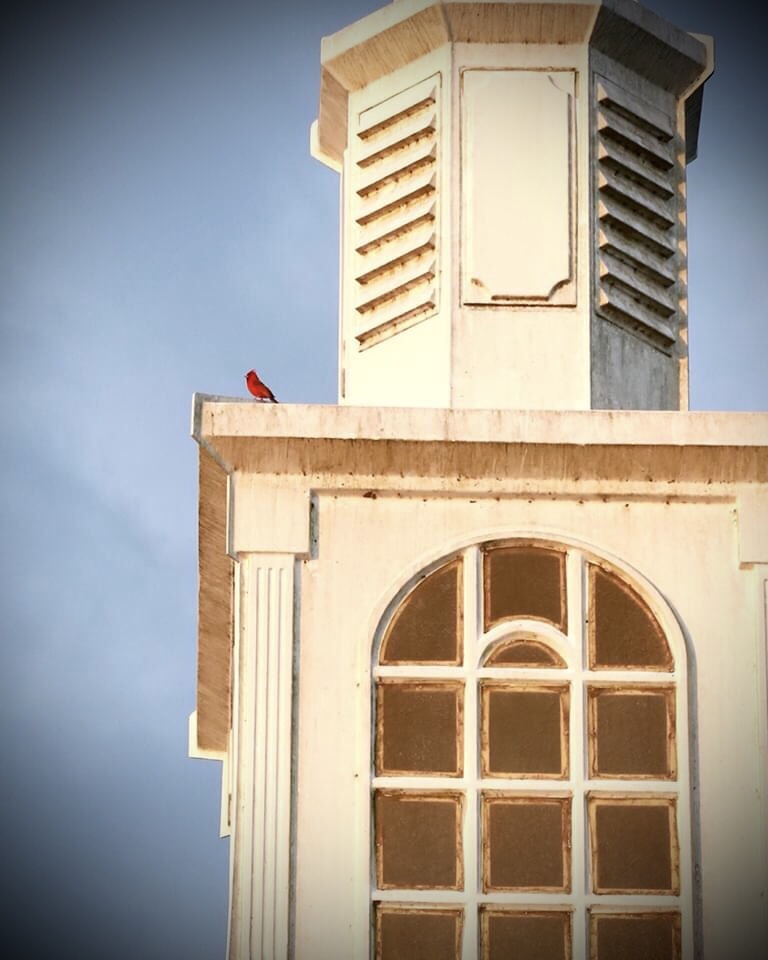
While we couldn’t attend church yesterday, it doesn’t mean a presence wasn’t there.

A friend went to photograph the dawn and heard a song coming from the steeple.

The building, empty like the tomb, had its own winged messenger at the first light of Easter.

If you do not know: A cardinal bird can be considered a sign of the divine—I’ve written of it before (Divine appointment). The vivid red birds also represent life and blood. In Christianity, specifically, the blood of the living Christ. Thecardinalexperience.com states: “Traditionally, the cardinal is symbolic of life, hope, and restoration. These symbols connect cardinal birds to living faith, and so they come to remind us that though circumstances might look bleak, dark, and despairing, there is always hope.”

Cardinals were named for the red-robed bishops (although this one’s sitting on a Baptist church). Name associations include heart and possibly the Old Norse word for cross.

Which is, of course, atop the steeple where our visitor perched to offer his doxology.

First light of Easter morn
Found the church silent, forlorn
Empty of its life, its music, its people
And a winged messenger on the steeple
As if proclaiming the old, old story
Singing, full-voiced, Glory, glory, glory.

Photo: N. Winn. 04/12/2020.

Do you know

Do you know
it’s been twenty years
since you handed me
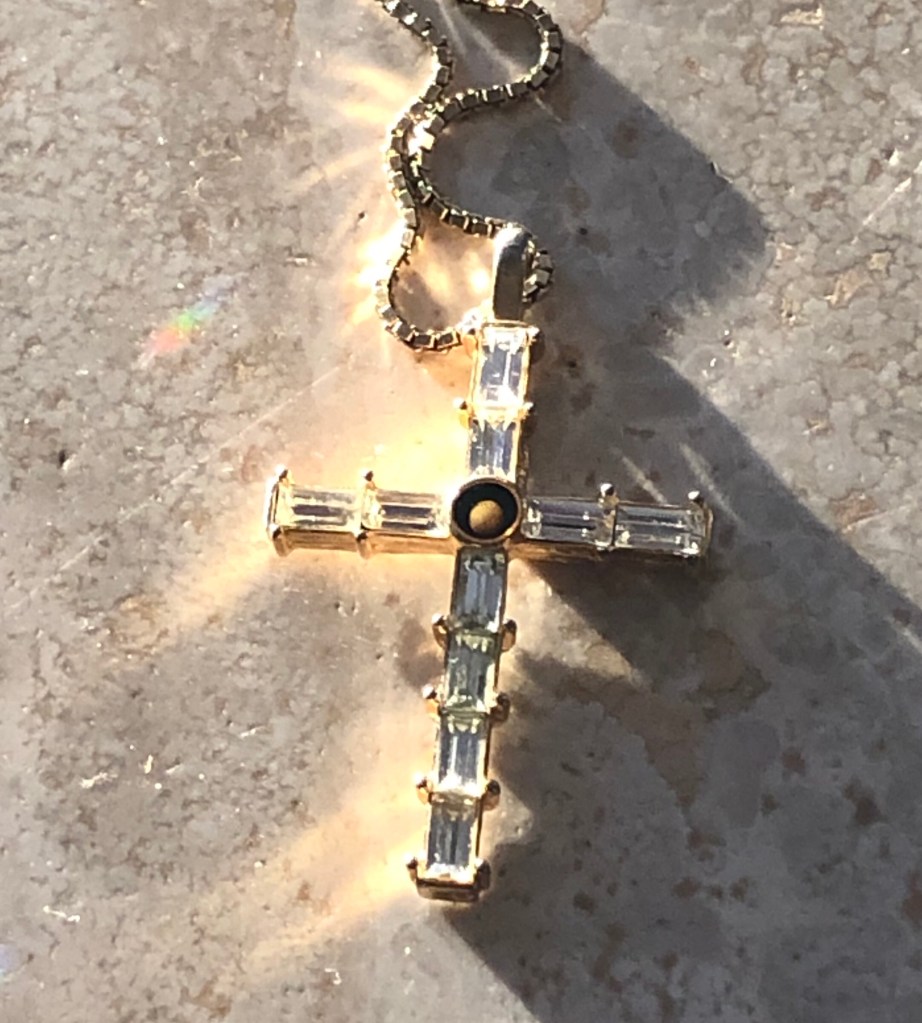
that necklace
at Grannie’s funeral?
“Saw it at the drugstore counter,”
you said. “I thought it was pretty
and that you’d like it.”

Do you know
how it moved me
because you weren’t one
for giving gifts very often.
I was surprised.
And you were so pleased
when I put it on.

Do you know
that I still have it.

Do you know
that I wear it
to funerals
and it brings me
comfort.

Do you know
that I wore it to yours
and you seemed
very near.

Do you know
that I wear it to church
on special occasions
like Easter.

Do you know
that there isn’t any church gathering
this Easter.

Do you know
what’s happening
here on Earth.

Do you know
that on the back of the pendant
etched in tiny letters
is a word:

F
A
I
T
H

Do you know
when people comment
on how beautiful it is, I say
Thank you. It was a gift
from my father.

Do you know
that in all these years
the drugstore cross
you bought for me
hasn’t tarnished
at all.

Morningsong

Waking
to grayness
rain slapping windows
winter wind crying
because it does not heed
spring
and life.
Wrapped in my blanket
I listen
to that unrelenting wind
daring
not caring
moaning
mourning
around the edges
of existence.

—then—

Through the
gusting gloom
wailing doom
a faint sound.
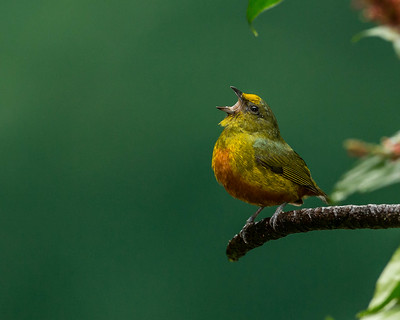
A solitary
little bird
singing
joy joy joy-joy-joy
honoring
the light
ever
how dim.

Bird singing in the rain. Andy Morffew. CC BY

On the finches not returning

Today I lift a line from Emily Dickinson.

“Hope” is the thing with feathers—
My finches, every spring—
On my wreath their nest awaits
New life they always bring—

This year —more than ever—
I watch for their return—
Yet the nest is empty
Of that for which I yearn—

I wonder what is keeping them
And if my charm is gone—
Do the finches know somehow
Life must keep moving on—

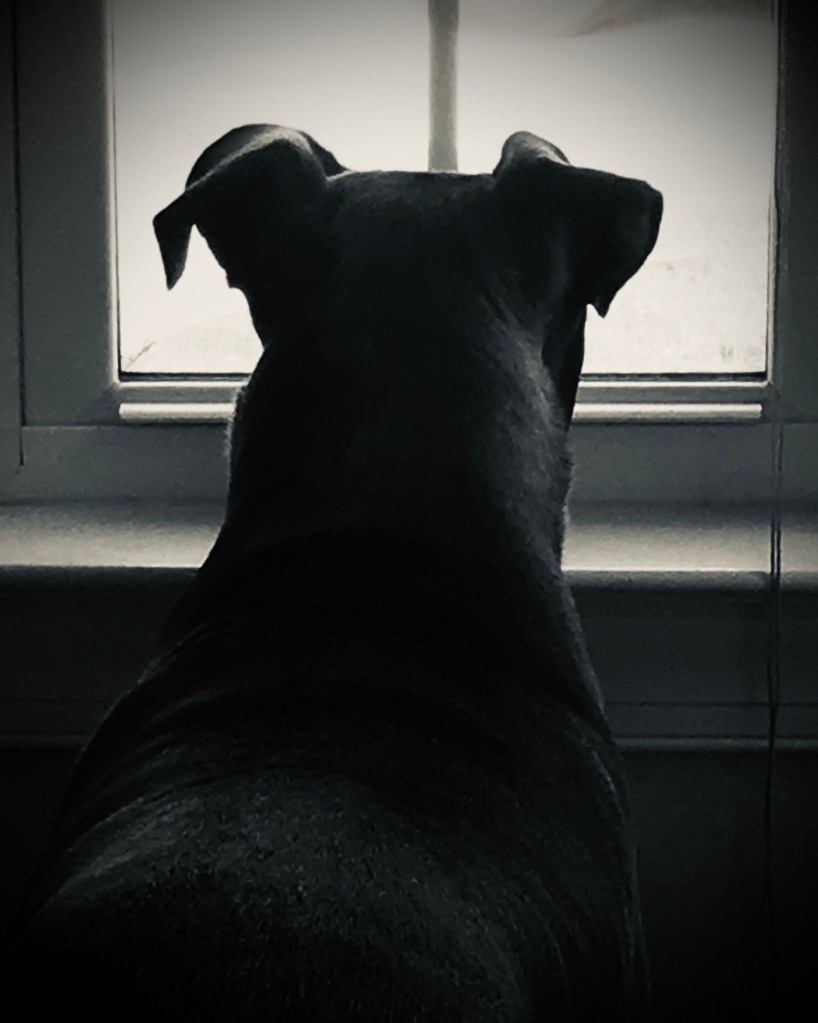
Come home, little finches—
Come home— if you will—
Hope is the thing with feathers
Where I’m abiding—still.

Note: “Charm” is the group name for finches.